
The traditional pet care industry has long maintained a highly commercialized, transactional
relationship with small invertebrates. For decades, boardwalk tourist traps and mainstream pet
retailers have packaged living, breathing organisms as novelty items, Among the most severely
impacted by this systemic misrepresentation is the land hermit crab., forced into brightly
painted, toxic shells, and sold in tiny plastic carrying cages,
Table of Contents
However, a profound cultural shift is currently taking place across the digital landscape, At the
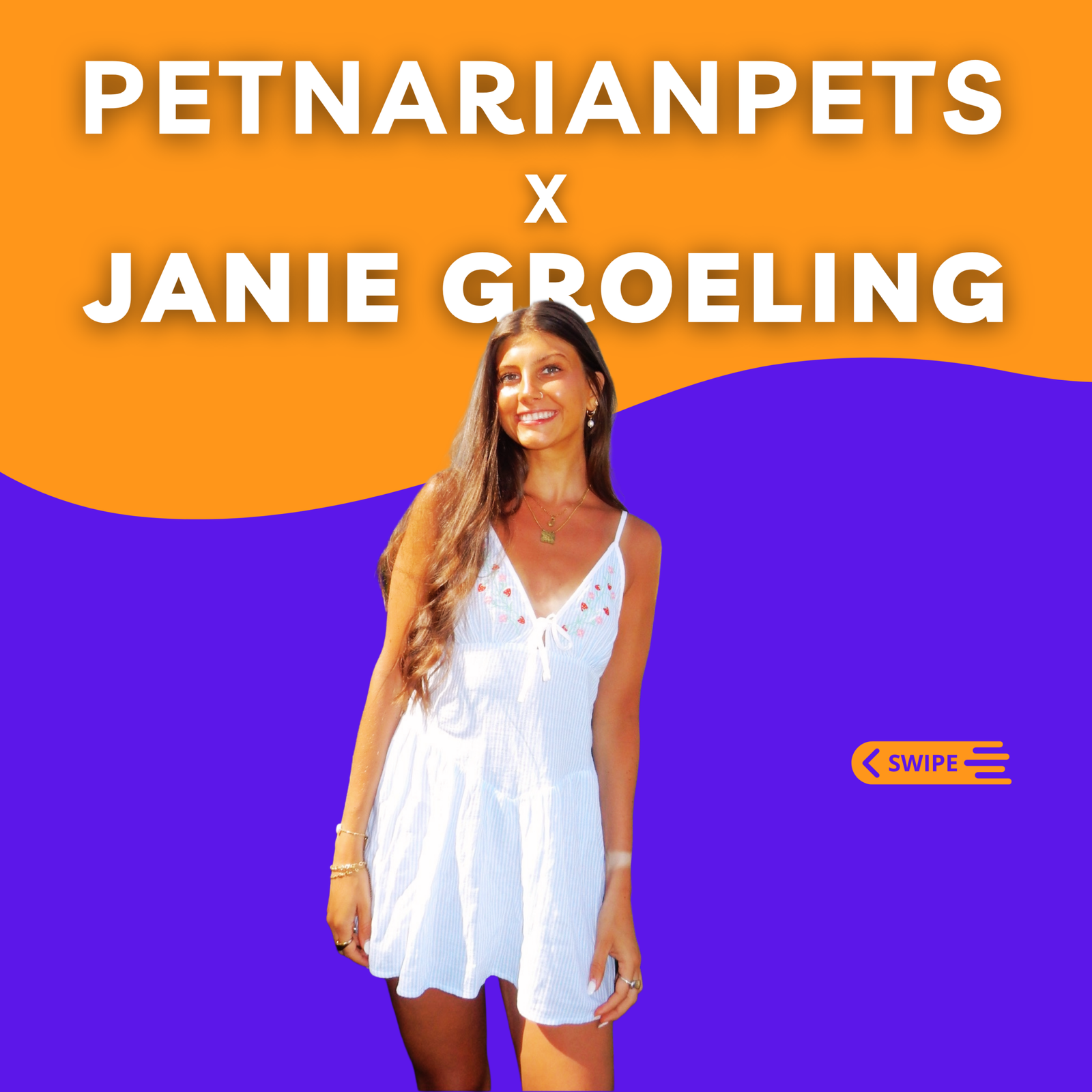
forefront of this movement is Janie Groeling, a prominent public figure, specialized zoological
advocate, and innovative entrepreneur known to millions of digital citizens as a dedicated
hermit crab mom.
We at PetNarianPets are incredibly thrilled to announce our official, exclusive website feature
and collaborative campaign: PetNarianPets x Janie Groeling. In this exhaustive deep dive,we
explore her nine-year evolution from a well-meaning novice to a leading voice in exotic
crustacean care.
The Jersey Shore Genesis: Overcoming the Souvenir Myth.
To truly comprehend the significance of Janie Groeling’s modern advocacy work, one must first
look at the widespread environmental problem that catalyzed her journey. Like thousands of
families visiting the eastern coastline of the United States, Janie’s first encounter with a land
hermit crab occurred on the boardwalks
In her exclusive feature with PetNarianPets, Janie openly reflects on the steep learning curve
she faced when she first brought her animals home nearly a decade ago:
“When I got hermit crabs 9 years ago, I had no idea what I was doing at first. I
cringe when I think back to my improper care in the beginning. However, I quickly
fell down the rabbit hole of doing research on hermit crabs, and learned what it
takes to properly take care of them and allow them to thrive. My hermit crab care
over the years has transformed from the small plastic prison cage they are sold in,
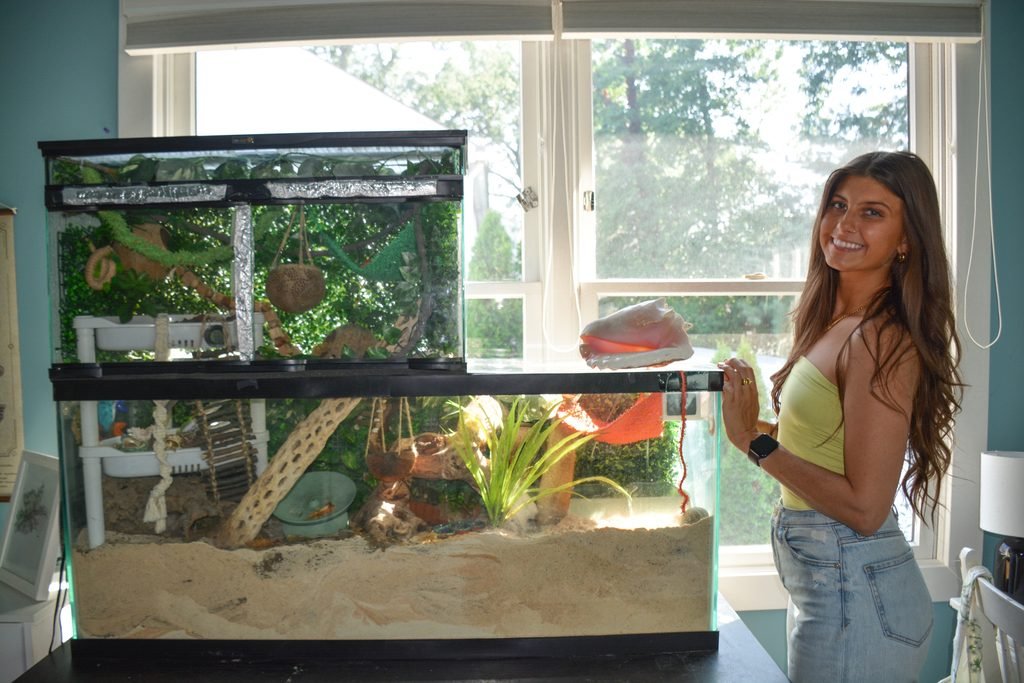
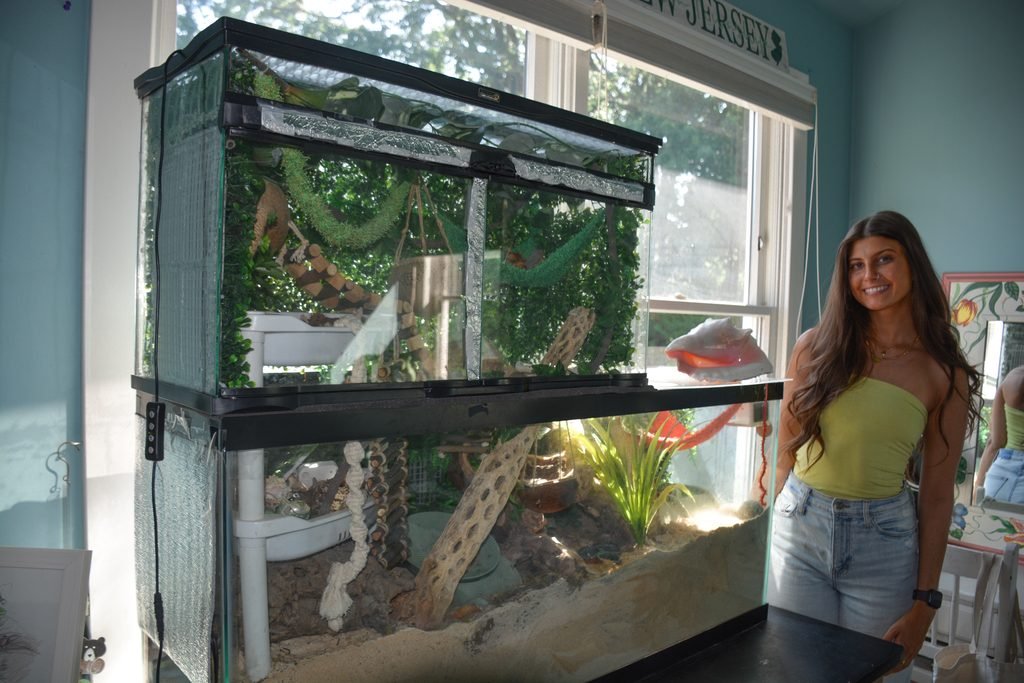
to two 80-gallon hermit crab mansions they now thrive in. And the best part is, now I
help thousands of people do the same!”
This honest acknowledgement of her early mistakes forms the foundation of Janie’s
approachable style. By sharing her personal transformation from an uneducated buyer into an
expert hermit crab mom, she provides a relatable, judgment-free roadmap for her massive
audience..
Going Viral with the Hermit Crab Charcuterie Board
Janie’s transition from a localized enthusiast to a globally recognized digital public figure was
accelerated by a major shift in her content strategy. Using her TikTok handle (@janieleigh11) for
casual lifestyle vlogging, she noticed a massive surge in audience curiosity whenever she pulled
back the curtain on her 80-gallon habitats. The true inflection point for her platform occurred
when she filmed herself assembling a meticulously balanced, species-appropriate “hermit crab
charcuterie board” for her collection.
The video went viral, capturing millions of views and introducing the public to an entirely new
way of looking at crustacean care. Janie highlighted the necessity of providing whole, raw,
nutrient-rich foods. Her custom charcuterie boards featured high-quality animal proteins, chitin,
calcium-rich seeds, organic greens, and fresh fruits.
When analyzing why this specific video content struck such a massive chord with a global
audience, Janie explains:
“I think people like to see the behind-the-scenes of what it takes to take care of
hermit crabs properly. It is an interesting and unique hobby that surprises a lot of
people. A lot more goes into taking care of hermit crabs than people realize, and
they think it’s cool!”
Navigating the Ethics of Handling Exotic Invertebrates
As any content creator in the wildlife and exotic pet space knows, scaling a public platform requires navigating complex ethical debates within the specialized advocacy community. Within the global community—led by established organizations like the Land Hermit Crab Owners Society (LHCOS)—there is an ongoing debate regarding the physical handling of captive crustaceans.
Many strict biological advocates promote a completely “hands-off” approach, arguing that land crabs are wild, prey animals that experience physiological stress when removed from the climate-controlled enclosures required for their respiration. Janie occupies a balanced position in this debate, utilizing her PetNarianPets x Janie Groeling feature to provide a practical, safety-first perspective on interacting with her pets:
“After many years with mine, I have built trust with mine and have grown bonds. Sometimes they walk right onto my hand. If I ever do say hi and handle them, it is only for a few minutes max, so they are not out of their tanks and specific heat and humidity conditions for long at all. I rarely ever handle mine, and if I do, it is only if they feel safe and trust me.
I used to hold them a lot more in the past, which you can see in old videos, but now, after being more educated, I do not do it often. Most videos now, if you see me holding any, it is usually when I am transporting them and putting them into a tank, so I am holding them already to begin with for that process.”
This measured approach acknowledges the biological limitations of the animal while celebrating the potential for genuine interspecies trust. Janie consciously balances the strict ideals of scientific containment with the practical demands of visual storytelling on social media.
Founding Norton’s Nest: Disrupting Commercial Pet Retail
Janie’s work is not limited to digital education; she has actively extended her mission into the world of tangible e-commerce. After years of searching corporate pet food aisles and big-box store shelves, she noticed a systemic problem: the mainstream pet industry fails to produce equipment tailored to the actual biological needs of land crustaceans.
Developing a specialized brand from the ground up presented significant supply-chain challenges, particularly regarding material testing and production ethics. Janie details the launch process:
“The biggest challenge was finding a trusting manufacturer that could produce the high-quality products exactly how I wanted them. I did not want to settle for anything less than I expected, because hermit crabs deserve the best of the best. That was the longest part of starting Norton’s Nest, but it was worth the wait. I wanted to do it right and do my vision and mission justice. Our products are tailored to a hermit crab’s high-humidity climate, unlike other supplies in pet stores. There is a lot of products marketed for reptiles and fish, but there is a whole gap in the market for proper hermit crab care. That’s where Norton’s Nest comes in!”
By prioritizing structural durability within high-humidity environments, Norton’s Nest has disrupted the traditional retail model. The brand provides keepers with essential resources—such as safe climbing structures, chemical-free food blends, and premium substrate supplements.
Virtual Care Consultations and Identifying Red Flags
A key pillar of this PetNarianPets x Janie Groeling partnership is the institutionalization of personalized pet parent support. Recognizing that generic online forums can often confuse new keepers, Janie launched a specialized 1:1 virtual consultation program.
1. Inadequate Substrate Depth and Composition
Land crustaceans are entirely dependent on their substrate to successfully undergo the molting process, during which they bury themselves completely for weeks at a time to shed their old exoskeleton.
2. Failure to Maintain Heat and Humidity Gradients
Because they possess modified gills that require moisture to extract oxygen from the air, these animals live in a perpetual state of slow suffocation if their air is too dry.
3. Chronic Animal Protein and Chitin Deficiencies
The third most prevalent error identified during her consultations is nutritional malnutrition. Most keepers rely entirely on plant-based commercial pellets, which leads to severe deficiencies. Without regular access to whole animal proteins, exoskeleton chitin, and marine minerals, captive populations often resort to aggression and cannibalism during molting cycles.
Invertebrate Husbandry: A Comparative Analysis
To help new and experienced keepers audit their current setups, the following data table compares common commercial pet store offerings with the scientifically validated standards promoted by Janie and the PetNarianPets platform.
| Husbandry Parameter | Standard Commercial Pet Store Offering | Advanced Biological Standard (Norton’s Nest Ecosystem) |
| Enclosure Type | Small plastic carrying cages or open-wire terrariums. | Sealed glass terrariums (minimum 20–40 gallons for small groups, up to 80-gallon mansions). |
| Substrate Parameters | 1–2 inches of dry calcium sand or dyed wood shavings. | Minimum 6+ inches of moist 5:1 play sand and coconut fiber mix. |
| Hydration Access | A single shallow sponge dish with treated tap water. | Dual deep pools (one marine saltwater, one dechlorinated freshwater) deep enough for full submersion. |
| Nutritional Profile | Chemically preserved commercial dry pellets. | Dynamic whole foods balanced with animal protein, chitin, calcium, and lipids. |
| Shell Availability | Chemically painted or gloss-varnished toxic shells. | Abundant selection of natural, unpainted turbo and murex shells. |
Boots-on-the-Ground Conservation: Crustacean Plantation
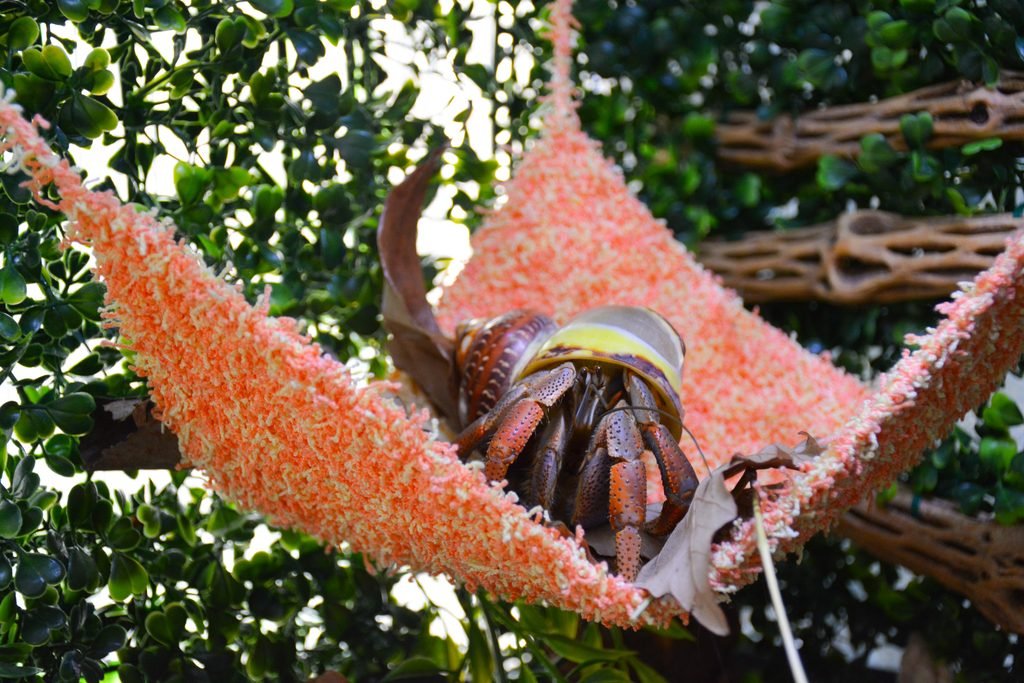
While her e-commerce and digital consultation frameworks focus heavily on optimizing the wellness of captive pets, Janie’s work extends directly into the field of wild habitat restoration. A stellar example of this active stewardship is her ongoing collaborative work with Crustacean Plantation, an organization dedicated to supporting wild populations across the Florida Keys.
Janie also shares her profound gratitude for her community’s impact:
“Seeing people donate shells to Crustacean Plantation is an amazing feeling! I am always helping people with their pet hermit crabs, but it is nice to see wild hermit crabs getting help, too.”
This integration of digital influence and field conservation shows how social media can drive real-world ecological change, moving beyond passive likes to fund active habitat restoration.
Challenging the Tourist Retail Model through Direct Activism
Janie’s experience as a leading hermit crab mom has also brought her face-to-face with the legal and political complexities of animal rights activism. She has lent her significant public figure endorsement to a highly visible Change.org petition aimed at completely banning the retail sale of land crustaceans within the state of California.
Janie’s reflections on this political journey highlight the growing power of collective digital activism:
“The petition was made by a friend of mine who lives in California. It has been awesome racking up so many signatures! I’ve learned that when we all come together to be a voice for the voiceless, we can make real change.”
The California campaign has served as a powerful pilot program for the broader advocacy community. It demonstrates that by consolidating digital voices, raising public awareness, and applying economic and legislative pressure, the rescue community can begin to challenge long-standing legal loopholes that treat living invertebrates as inanimate retail commodities.
Frequently Asked Questions (FAQ)
To support new and experienced keepers in optimizing their setups, we have compiled detailed answers to the most common inquiries regarding exotic crustacean welfare.
How long do land hermit crabs actually live in a proper habitat?
In stark contrast to the commercial myth that they are short-lived pets, healthy animals can live for up to 50 years when maintained under correct biological conditions. This makes their care a serious, multi-generational commitment that requires long-term lifestyle and space planning.
Why are painted shells considered dangerous to the animal’s health?
The colored paints and decorative varnishes applied to novelty retail shells are highly toxic. Crabs often chip away at and eat bits of the shell to adjust their fit, leading to heavy metal poisoning. Furthermore, the chemicals can off-gas inside the moist, high-humidity enclosures, causing fatal respiratory damage. Always offer natural, unpainted shells like turbo or murex varieties.
What exactly is a “molting cycle” and how should an owner manage it?
Molting is the physiological process by which a crustacean sheds its hardened outer exoskeleton to grow larger. To do this safely, they burrow completely beneath deep, moist substrate for anywhere from a few weeks to several months. During this time, an owner must never dig them up, as exposure to open air or disruption of their molting cave can cause fatal stress or physical trauma.
How do I safely maintain a 75-85% humidity level without causing toxic mold?
Achieving this balance requires an airtight enclosure, such as a sealed glass terrarium, combined with proper moisture management. Instead of constantly misting the air—which pools at the bottom and floods the substrate—rely on large, deep water pools equipped with small aquarium bubblers or ultra-sonic humidifiers. This method keeps the air rich in oxygen and moisture while keeping the substrate structurally safe.
Engineering a Post-Exploitation Future
As we conclude this feature on the PetNarianPets x Janie Groeling campaign, it is undeniable that Janie’s long-term work has laid a powerful foundation for a more ethical future. By taking the complex biological needs of exotic invertebrates and translating them into engaging, accessible, and viral digital media, she has fundamentally altered public perception.
When looking ahead toward her ultimate professional legacy, Janie shares a powerful, future-focused vision for the entire global community:
“I hope to leave an impact on people’s perceptions of hermit crabs. Instead of seeing them as disposable beach souvenirs that don’t live long, I hope people will see them now as exotic, fascinating creatures that can live 50 years and deserve better than the cruel pet industry that they are forced into. I hope to be a helpful and reliable resource for proper hermit crab care and a powerful voice for hermit crabs that makes a true difference[cite: 6].”
We at PetNarianPets stand shoulder-to-shoulder with Janie in this mission. We invite our global community of animal lovers and nature nerds to explore her resources, try out her virtual care consultations, and support her e-commerce innovations over at Norton’s Nest[cite: 6]. Together, we can build a world where exotic invertebrates are celebrated as complex marvels of our natural heritage, permanently safe from commercial exploitation
Stay wild, stay curious – only on PetNarianPets!
Join The Fun On Instagram, X, Pinterest and YouTube.
Wanna Say Something about animals ? Contact Us.
