The Intersection of Scientific Rigor and Fiber Artistry
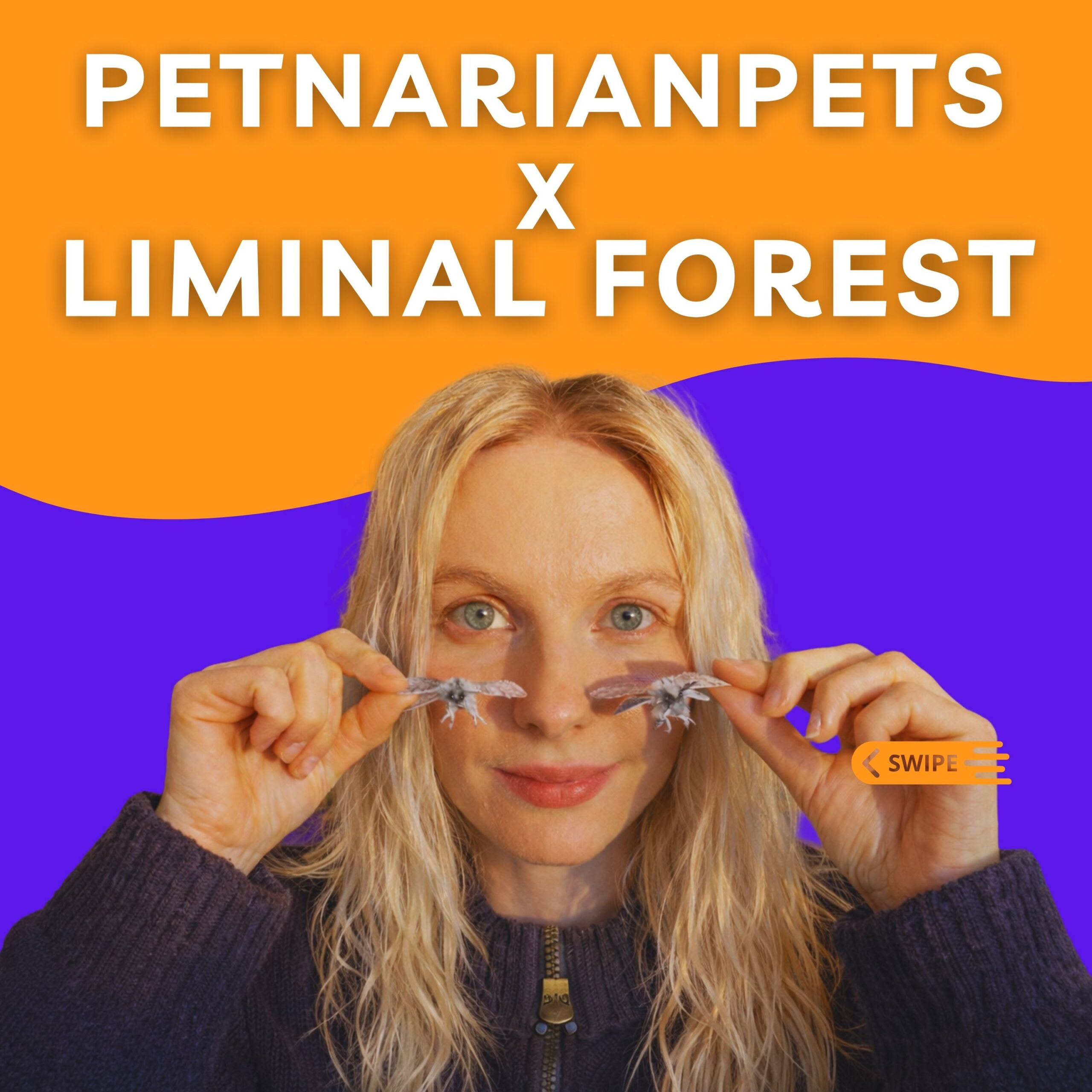
In the modern digital landscape, the boundaries between scientific inquiry and artistic expression are increasingly fluid. At PetNarianPets, our commitment to the “Steward’s Vision” often leads us to individuals who do more than just observe the natural world—they translate it. This month, we are thrilled to announce an exclusive collaboration with Lina, the creator behind Liminal Forest. As a former entomologist turned textile artist, Lina has created a niche that celebrates the “ignored” wonders of the natural world: moths and moss.
Table of Contents
Lina’s work represents a profound shift in how we perceive biodiversity literacy. While many see an insect and look away, Lina sees a masterpiece of evolution. Through her brand, she shares a “liminal” state where the technical accuracy of an entomologist meets the whimsical, atmospheric beauty of “slow art.” This feature dives into the heart of her process, exploring everything from technical moth making to the philosophy of respecting the viewer’s time in an era of high-speed content.
The Anatomical Foundation: The Entomologist’s Approach to Art
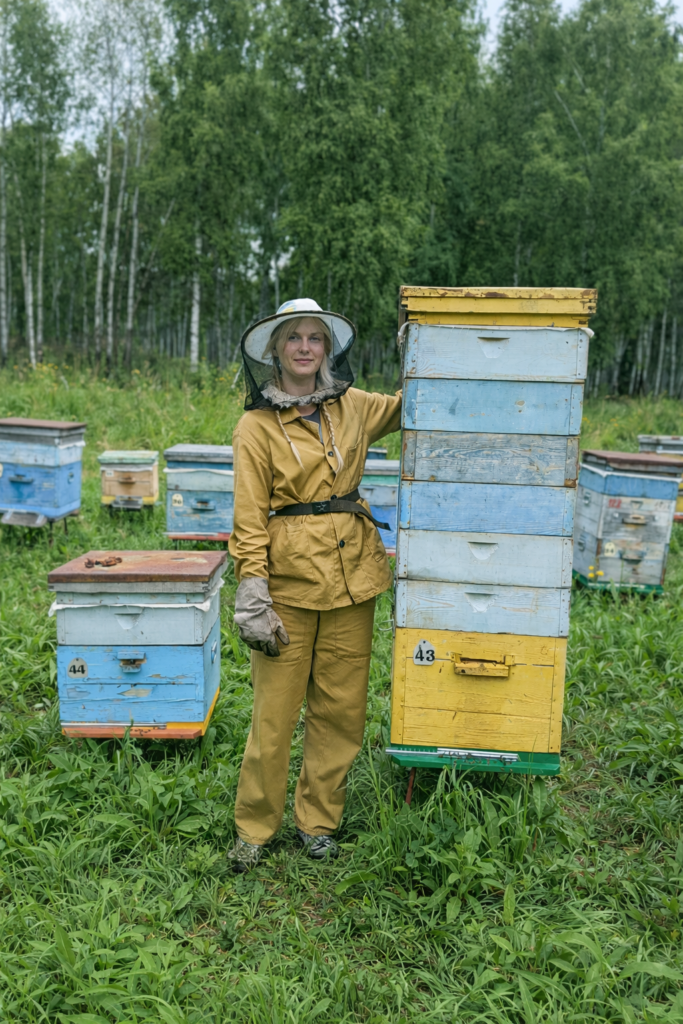
To understand the hyper-realistic nature of Liminal Forest, one must first understand Lina’s academic roots. Her formal training as an entomologist—a scientist specializing in the study of insects—serves as the blueprint for every piece she creates. In our exclusive questionnaire, Lina noted that “the best training begins with anatomy.” By understanding the function of a biological structure, she can more accurately replicate its form in fabric or paper.
Searching for Biological Authenticity
When starting a new project, Lina doesn’t just look at a single photograph. She utilizes her scientific training to search for reliable data, often comparing species within the same genus to ensure the proportions are correct. This “biological authenticity” is what distinguishes Liminal Forest from generalist fiber arts. Whether she is exploring moth making ideas for a large-scale sculpture or a small educational piece, the foundation is always grounded in taxonomic reality.
The Power of Microscopic Observation
The transition from a lab setting to an art studio didn’t mean leaving the tools of science behind. The skill of microscopic observation is vital when Lina is deciding how to make fabric moths that feel alive. She looks at the “dust” on a wing—which is actually thousands of tiny scales—and figures out how to translate that texture into textile. This level of detail encourages her audience to stop and look closer at the real creatures fluttering around their porch lights.
The Craft of Creation: Moth Making from Theory to Practice
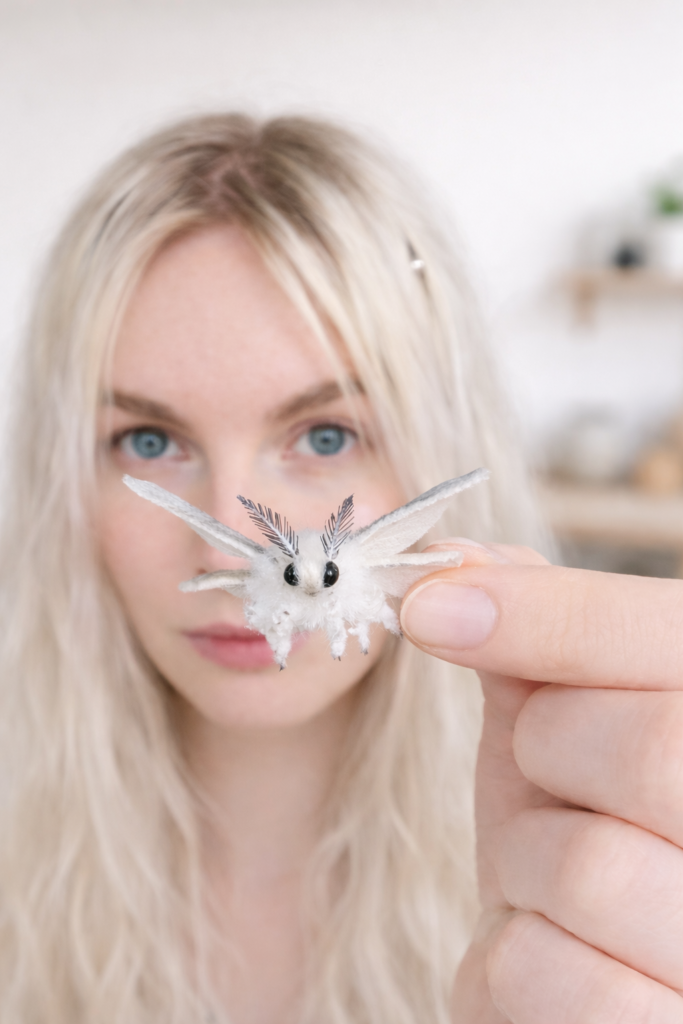
One of the most requested topics in the Forest community is the technical “how-to.” Lina has mastered several mediums, but her primary focus remains on textile sculpture. This moth craft is not just about aesthetics; it is a form of tactile education that allows people to touch and feel a version of nature that is usually too fragile to handle.
How to Make Fabric Moths with Precision
For those wondering how to make fabric moths, the process begins with material selection. Lina chooses fabrics that can mimic the iridescent or velvet-like qualities of insect wings. She then uses specialized techniques to stiffen the fabric, allowing it to hold the complex shapes required for anatomical accuracy. This method ensures that the final piece is both a work of art and a reliable anatomical model.
Moth Making with Paper and Mixed Media
While fabric is her primary medium, Lina also experiments with other materials. Moth making with paper offers a different set of challenges and opportunities for detail. Paper allows for sharp lines and intricate cut-outs that mimic the “shredded” wing edges found in certain species. By diversifying her materials, Lina provides a wealth of moth making ideas for creators at all skill levels, from professional artists to hobbyists.
Digital Pedagogy: Moth Making Videos and Slow Content
In a world where algorithms demand “fast” content, Lina has taken a stand for “slow” storytelling. Her TikTok and Instagram accounts are not just galleries of her work; they are educational platforms. By sharing moth making videos, she pulls back the curtain on the labor-intensive process of science-based art.
Respecting the Viewer’s Time
“My main rule on social media right now is to respect other people’s time,” Lina shared in our interview. She consciously refuses the model of producing a high volume of low-value content. Instead, she ensures that every video contains “real work and real value.” This approach fosters a deeper connection with her audience, ensuring that when they watch her moth making videos, they walk away with a new understanding of both the craft and the creature.
Moth Craft for the Next Generation
Lina’s digital presence is a powerful tool for moth making for kids and young environmentalists. By presenting insects as beautiful, “mossy,” and magical beings, she counters the common “ick factor” associated with bugs. This is a vital step in biodiversity literacy. When a child engages with a moth craft project, they are building a mental bridge to the natural world that can lead to a lifetime of stewardship.
The Philosophy of Failure: From Science to Sculpture
Perhaps the most surprising thing Lina carried from her career as an entomologist into her life as an artist is “the absence of fear when something goes wrong.” In scientific research, an unsuccessful experiment is still a data point. Lina applies this same logic to her art.
The Art of the Experiment
If a particular wing structure fails or a dye doesn’t take to the fabric as expected, Lina doesn’t see it as a waste. She sees it as a lesson. This willingness to experiment is what allows her to push the boundaries of moth craft. It is a mindset she encourages in everyone who follows her tutorials: the goal isn’t perfection on the first try, but steady work and patience.
Defining Success on Your Own Terms
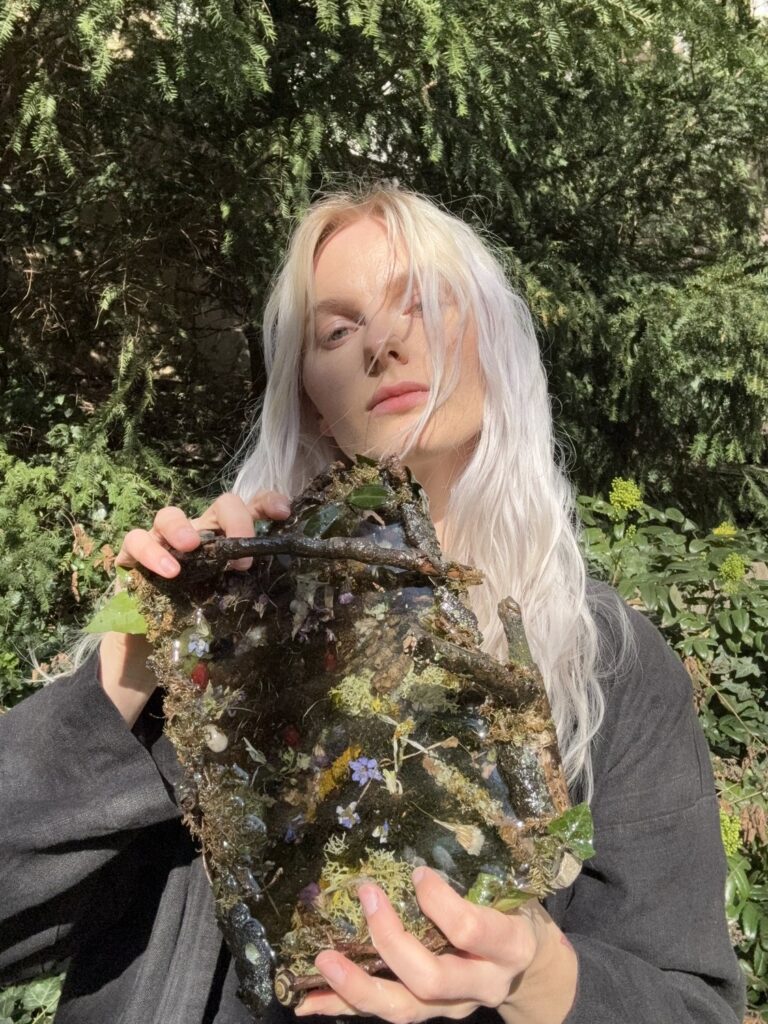
Lina’s journey from the lab to the “Liminal Forest” is a testament to the fact that career paths are rarely linear. She encourages her community to trust their gut when it comes to their goals. For her, success isn’t about the number of moths she can produce, but the depth of the impact she can have. This “expert-as-leader” model is exactly what PetNarianPets looks for in a collaborator.
Why Moths and Moss? Exploring the Ignored
The choice of subject matter for lina is intentional. Moths and moss are often the “ignored” background of the forest. While butterflies and flowers get the spotlight, the nocturnal and the microscopic are left in the shadows.
Moth Making Ideas: Celebrating Diversity
There are roughly 160,000 species of moths in the world—ten times the number of butterfly species. By focusing on moth making, Lina taps into a nearly inexhaustible source of inspiration. Each species offers a new challenge in color, shape, and texture. Her work brings these hidden beauties into the light, showing that the “underrated” life forms are often the most fascinating.
The Mossy Things: Creating a Context
Lina’s “mossy things” provide the environmental context for her moths. Just as an entomologist studies an insect within its habitat, Lina creates textile moss to ground her sculptures in a sense of place. This holistic approach to moth craft reminds the viewer that no creature exists in isolation. Everything is part of the “Liminal Forest.”
The Future of Liminal Forest: Tutorials and Growth
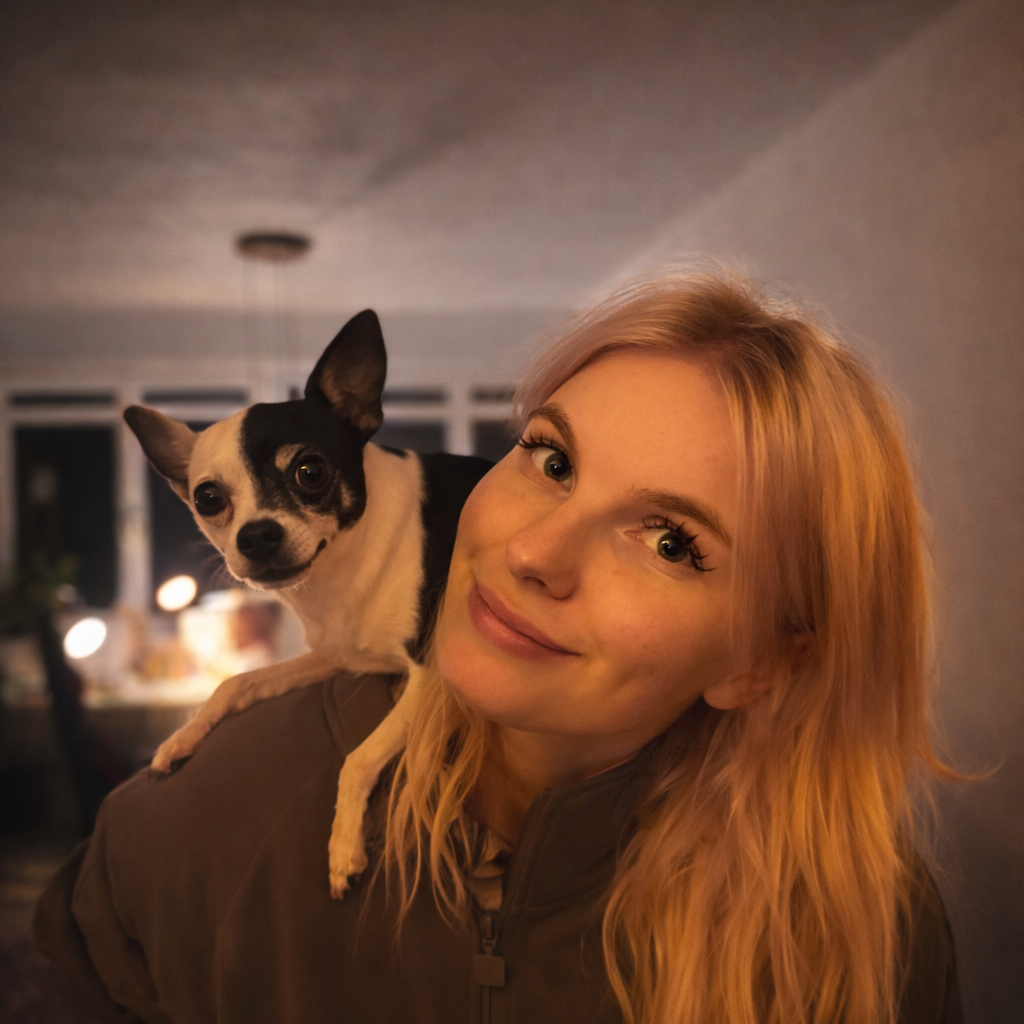
What is next for Lina? As her community grows, she is shifting her focus toward empowerment. She wants to ensure that her knowledge is accessible to others who want to explore the intersection of science and art.
Democratizing the Process
One of Lina’s major goals is to create more detailed tutorials. She recognizes that while her scientific background allows her to learn materials quickly, it can be harder for others to navigate. Her plan is to make it possible for anyone to dedicate a few hours a day and, within two weeks, create a moth of their own. This commitment to teaching ensures that moth making remains a vibrant and growing community.
The PetNarianPets X Liminal Forest Roadmap
As part of our collaboration, PetNarianPets will be featuring more of Lina’s process on our site. We believe that by highlighting the work of a former entomologist, we are helping our community see the world through a more detailed and empathetic lens. Whether it’s through new moth making ideas or deep dives into insect biology, we are proud to support Lina’s mission.
Actionable Advice: Starting Your Own Moth Craft Journey
If you are inspired by the work of Lina, She has has a simple piece of advice: “Start noticing.”
1. Observe Your Local Biodiversity
You don’t need a PhD to be a student of nature. Look at the moths that gather near your windows at night. Notice the patterns on their wings and the way they move. Use these observations as the foundation for your own moth craft.
2. Start with Simple Materials
You don’t need expensive textiles to begin. Moth making with paper is a great way to practice the basic shapes and anatomy of different species. It allows you to experiment with form before moving on to more complex fabric techniques.
3. Don’t Fear the Mistake
Remember Lina’s lesson from the lab: an unsuccessful experiment is still a success if you learn from it. Whether you are trying moth making for kids or a professional project, allow yourself the space to fail and try again.
Falling in Love with the Small Things
The story of lina is a reminder that conservation begins with connection. By utilizing her expertise as an entomologist to create beautiful, tactile art, Lina is helping a global audience fall in love with the creatures they might have otherwise ignored.
At PetNarianPets, we believe that when you understand an animal—no matter how small—you are more likely to protect it. Lina’s work is a vital part of this mission. Through her moth making videos, her detailed sculptures, and her “slow art” philosophy, she is building a world where science and art coexist to protect the “Born Wild ~ Living Free” spirit of the natural world.
We invite you to explore the “Liminal Forest” for yourself. Start noticing the moss under your feet and the moths in the air. You might just find that the most extraordinary things are the ones you’ve been walking past all along.
Stay wild, stay curious – only on PetNarianPets!
Join The Fun On Instagram, X, Pinterest and YouTube.
Wanna Say Something about animals ? Contact Us.