The Intersection of Science and Social Media: Welcoming Milica Bojović
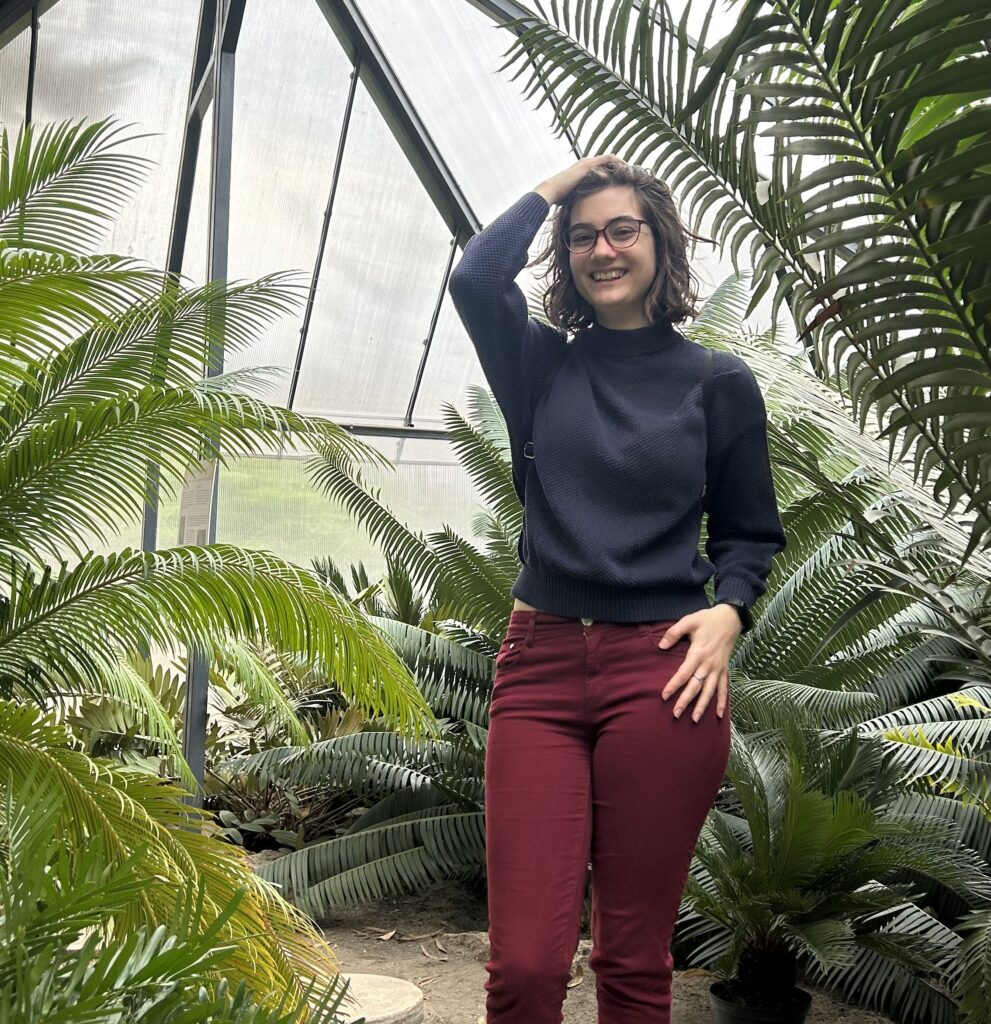
In an era where environmental information is often fragmented by sensationalism or “greenwashing,” the need for credible, expert-led communication has never been more urgent. At PetNarianPets, our mission has always been to champion the stewardship of the natural world, fostering a deep-seated respect for the biodiversity that sustains our planet. It is with great enthusiasm that we announce our latest collaboration with a creator who embodies this mission perfectly: Milica Bojović, the visionary behind the digital platform Ask the Ecologist.
This feature is a deep dive into the professional trajectory of an expert who has successfully transitioned from the rigorous confines of a laboratory to the high-speed world of digital media. Known to her growing community, Milica brings a level of academic precision to social media that is rare in the “lifestyle-focused” era of environmentalism. Through this partnership, PetNarianPets and Milica aim to humanize science, making complex ecological systems accessible to everyone without diluting the rigor of the data.
Table of Contents
Defining the Role: Who is an ecologist?
To truly appreciate the work of Ask the Ecologist, one must first understand the fundamental nature of the discipline. A common question we encounter in our community is: Who is an ecologist? While many people use the term interchangeably with “environmentalist,” there are significant professional and academic distinctions that define the field.
The Scientist vs. The Advocate
An ecologist is, first and foremost, a scientist. While an environmentalist may focus on the social or political advocacy for nature, a person in this field focuses on the study of interactions between organisms and their environment. As Milica’s background demonstrates, this involves years of technical training, from understanding the chemical electrical charges of ions in plant tissue to analyzing the population dynamics of a forest.
In our collaboration, we want to highlight that Who is an ecologist? is a question answered by the methodology of inquiry. It is someone who looks at the “connective tissue” of the world—the invisible threads that link a cabbage plant to the soil’s mineral content, or a predator to its prey. By bringing this scientific lens to the public, Milica helps her audience move from “liking” nature to “understanding” it.
The Academic Foundations in Serbia
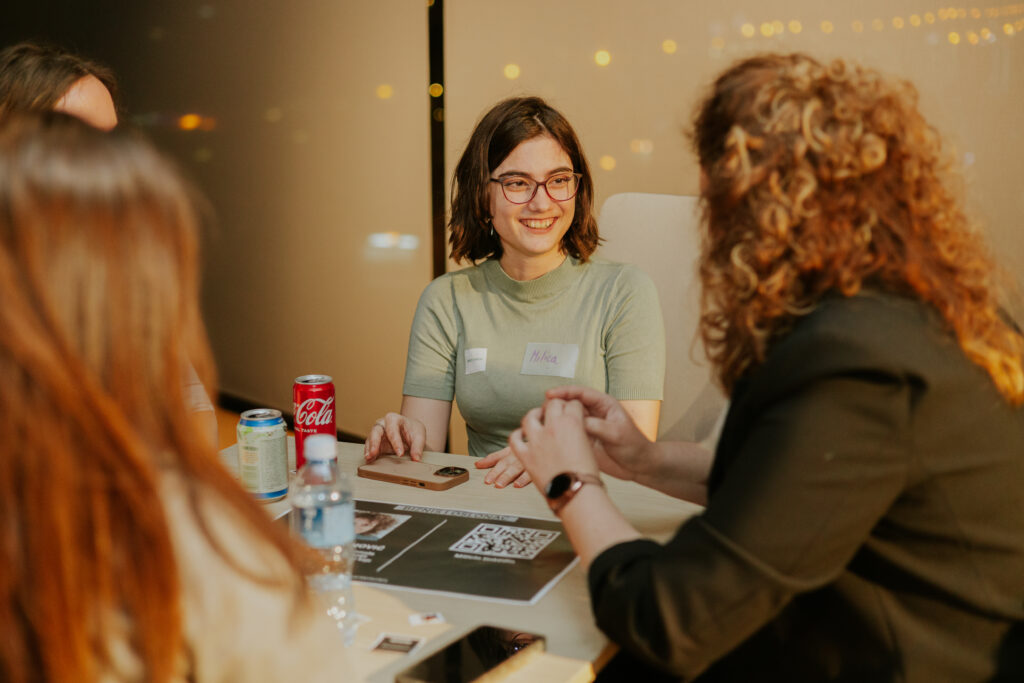
Milica’s own journey into this identity began in Serbia, where she completed her Master’s degree in Biology with a specialized focus on plant ecophysiology. This specific sub-field—the study of how the physiology of plants responds to their environmental conditions—provided her with a granular understanding of the natural world. It is this academic bedrock that allows her to answer questions on her platform with a level of authority that goes beyond a standard search engine result.
The Science of the Small: Cabbages, Lithium, and Metabolic Mimicry
One of the most fascinating aspects of Milica’s research involves the interaction between heavy metals and vegetable crops. Specifically, her work on how lithium affects the growth of cabbage provides a perfect case study in the complexity of plant life.
The Surprising Discovery
In her questionnaire for this PetNarianPets feature, Milica shared a surprising finding from her research: “The smallest amounts of lithium ion can actually improve growth in cabbage.” This counterintuitive discovery highlights the nuance of ecology. We often categorize elements as “good” or “bad” for the environment, but in the laboratory, the reality is a spectrum of concentration and response.
Explaining Metabolic Mimicry
A key concept in Milica’s work is “metabolic mimicry.” For a non-scientist, this can be a difficult concept to grasp, but Milica explains it with the ease of a master communicator. Lithium and potassium ions are remarkably similar in shape and size. Both carry a positive electrical charge and share similar atomic properties.
“Charge and size are important for recognition of elements in protein pumps and other gateways in plants,” Milica explains. Because of this similarity, a plant might “mistake” lithium for potassium. In high concentrations, this can lead to metabolic errors, but in trace amounts, it reveals the fascinating ways that plants interact with the chemical makeup of their soil. This level of detail is exactly why ecology Mellica has become such a trusted resource for those seeking to understand the “how” and “why” of nature.
From Lab to Screen: The Narrative Evolution of Ask the Ecologist

The transition from a researcher in a lab to a communicator on social media is not merely a change in scenery; it is a change in the way one perceives data. For Milica, the move to digital platforms represented an opportunity to “see science from the inside” and then translate that internal view for a global audience.
The Transition from EkoBlog to Instagram
Before Ask the Ecologist became a social media staple, Milica honed her skills as a writer for EkoBlog. This long-form experience allowed her to explore complex topics in detail. However, as digital habits shifted toward short-form video, she had to adapt her narrative style.
The challenge of moving from long-form writing to high-speed video on platforms like Instagram is the loss of nuance. Milica’s strategy to maintain her “expert-as-leader” model involves a unique approach to content creation. She researches her topics extensively before filming but avoids using a rigid script. This allows her delivery to feel natural and approachable, fostering a stronger connection with her audience while ensuring the information remains valid.
The Power of Natural Delivery
“I try to talk about topics without a specific script,” Milica shares. “That way my speech is more natural, but the information is still valid.” This balance between “entertainment” and “rigor” is the secret to the success of her platform. By allowing for a few “unperfectly phrased thoughts,” she humanizes the scientist, making the identity of an ecologist feel accessible to everyone.
Ethics and Accuracy: The Lesson of the Pavegen Story
In a world filled with “green influencers,” maintaining scientific integrity is a constant battle against the algorithm. Milica shared a pivotal moment in her career that changed her approach to passing judgment on “eco-friendly” solutions.
The Risk of Greenwashing
Five years ago, while writing for EkoBlog, Milica wrote an article about Pavegen—a pavement designed to generate electricity from the kinetic energy of people walking on it. At first glance, it seemed like a brilliant green innovation. However, a reader corrected her in the comments, pointing out that the carbon footprint of manufacturing the pavement was significantly greater than the energy it would ever save.
Becoming a Sceptical Steward
“That experience stuck to me,” Milica admits. It made her deeply sceptical of any “green” or “eco” solution that seems too good to be true. This commitment to checking thoroughly for “greenwashing” is a core value that PetNarianPets shares. We believe that true stewardship requires a critical eye. By sharing these stories of error and correction, Milica builds trust with her community, proving that she values accuracy over easy clicks.
EkoPod: The Auditory Expansion of Ecological Literacy

Beyond her visual content, Milica has made significant contributions to the auditory landscape of environmental science through EkoPod. This podcast represents another layer of her digital pedagogy, allowing for deeper conversations that cannot be contained in a 60-second reel.
Building a Community in the Balkans
EkoPod serves as a vital resource for environmentalism in Serbia and the broader Balkan region. By interviewing experts and discussing local ecological challenges, Milica and her colleagues are building a localized “circle of care.” They tackle issues ranging from urban pollution to the preservation of native plant species, providing their listeners with the tools to see their own backyards as part of a larger, interconnected system.
Humanizing the Scientific Community
The podcast format allows Milica to showcase the diverse personalities within the scientific community. It answers the question of Who is an ecologist? by presenting a variety of voices, each with their own specializations and passions. This variety reinforces the idea that science is a collaborative, human endeavor—not just a collection of cold facts in a textbook.
The PetNarianPets X Ask the Ecologist Collaboration
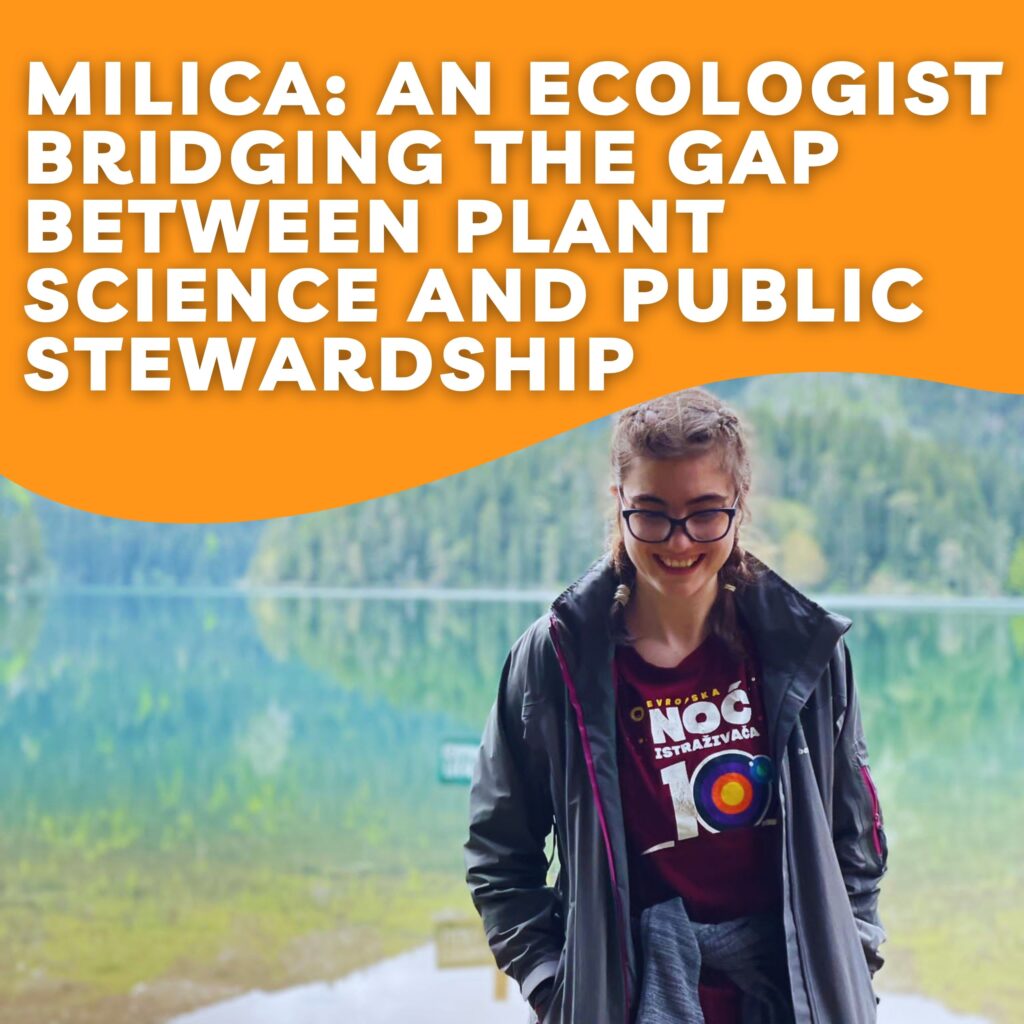
The synergy between Ask the Ecologist and PetNarianPets is rooted in our shared commitment to education and “evidence-based hope.” We believe that the more people know about the natural world, the more they will care for it.
Promoting Socio-Ecological Stewardship
Our collaboration focuses on promoting stewardship at every level. From the way we treat the soil in our gardens to the way we advocate for global biodiversity, the principles remain the same. Through Milica’s expert lens, we are able to provide our community with actionable insights into how ecosystems function.
A Shared Vision for the Future
The future of this partnership involves a series of features that dive deeper into the “underrated” aspects of nature. We want to move beyond the charismatic megafauna and focus on the plants, the insects, and the microscopic processes that keep our world breathing. With ecology Mellica as our guide, we are confident that our audience will gain a new appreciation for the complexity of the “Born Wild ~ Living Free” philosophy.
The Psychological Shift: From Awareness to Connection
One of Milica’s primary goals is to move her audience from passive “awareness” to active “connection.” She believes that when people understand the metabolic processes of a plant or the ecological necessity of a mosquito, they are less likely to see nature as an “other” and more likely to see it as part of themselves.
The Importance of Evidence-Based Hope
In a time of widespread climate anxiety, Milica provides a much-needed dose of “evidence-based hope.” She doesn’t shy away from the challenges facing our planet, but she focuses on the resilience of ecosystems and the power of informed human action. By providing her community with the “why” behind ecological events, she empowers them to be part of the solution.
Widening the Circle of Care
This psychological shift is essential for long-term conservation. If we only care about the animals that are “cute” or “famous,” we miss the vast majority of life on Earth. Milica’s work with the “small” and the “technical” ensures that our circle of care is wide enough to encompass the entire living world.
Actionable Advice from a Master Ecologist
As part of our collaboration, we asked Milica what advice she has for those who want to begin their own journey into stewardship. Her answer is simple but profound: “Start noticing.”
1. Look Closer at Your Environment
You don’t need to be in a remote rainforest to see ecology in action. Look at the weeds growing through the sidewalk or the way the leaves on your houseplant turn toward the light. These are the same processes Milica studied in her Master’s research. By “starting to notice,” you begin to build the observational skills of an ecologist.
2. Question “Green” Claims
In honor of the Pavegen lesson, Milica encourages everyone to be a critical consumer of environmental information. If a solution sounds simple and perfect, dig deeper. Look for the carbon footprint, the source of the materials, and the long-term impact. True sustainability is rarely simple, but it is always worth the effort to understand.
3. Support Independent Science Communication
The “expert-as-leader” model relies on community support. Platforms like Ask the Ecologist provide a vital service in an era of misinformation. By engaging with, sharing, and supporting these creators, you are helping to ensure that accurate scientific information remains accessible to everyone.
The Future of Ask the Ecologist: Expanding the Horizon
What is next for Milica Bojović? As her platform grows, she remains committed to her core mission of humanizing science.
Leading Through Knowledge
The “Ask the Ecologist” initiative is poised to become a leading voice in European science communication. Whether through more podcast seasons, expanded video content, or collaborative research projects, Milica’s influence on how we perceive the “underrated” life forms will undoubtedly grow.
Every Individual is a Potential Steward
The story of Ask the Ecologist is a reminder that science is not just for the laboratory; it is for everyone. Through the work of ecology Mellica, we see that the identity of “who is an ecologist?” is open to anyone with the curiosity to ask “why” and the rigor to seek the truth.
In our collaboration with Milica Bojović, PetNarianPets has found a partner who shares our belief in the power of knowledge to drive change. We invite you to join this community of inquiry. Follow Milica’s journey, start noticing the complex systems in your own neighborhood, and remember that every small bit of understanding contributes to a healthier, more vibrant world for all living beings.
By bridging the gap between the lab and the screen, Milica is not just explaining the world—she is helping us fall in love with it all over again. And as she so eloquently put it, “I believe conservation starts with falling in love.” Let us fall in love with the science, the plants, and the intricate beauty of our shared home.
Stay wild, stay curious – only on PetNarianPets!
Join The Fun On Instagram, X, Pinterest and YouTube.
Wanna Say Something about animals ? Contact Us.