
In the realm of Australian wildlife, few creatures have achieved the level of global stardom currently enjoyed by the Quokkas. Known primarily through viral social media posts and the “quokka selfie” phenomenon, these small marsupials are often reduced to a single their seemingly permanent smile.
Table of Contents
However, a closer examination of the species—scientifically known as Setonix brachyurus—reveals a biologically complex animal defined by extreme physiological resilience and specialized evolutionary adaptations.
This article provides an exhaustive deep dive into the life, history, and survival strategies of the quokka, moving beyond the digital hype to understand the reality of their existence in the Australian bush.
Understanding the Origin and Quokkas pronunciation
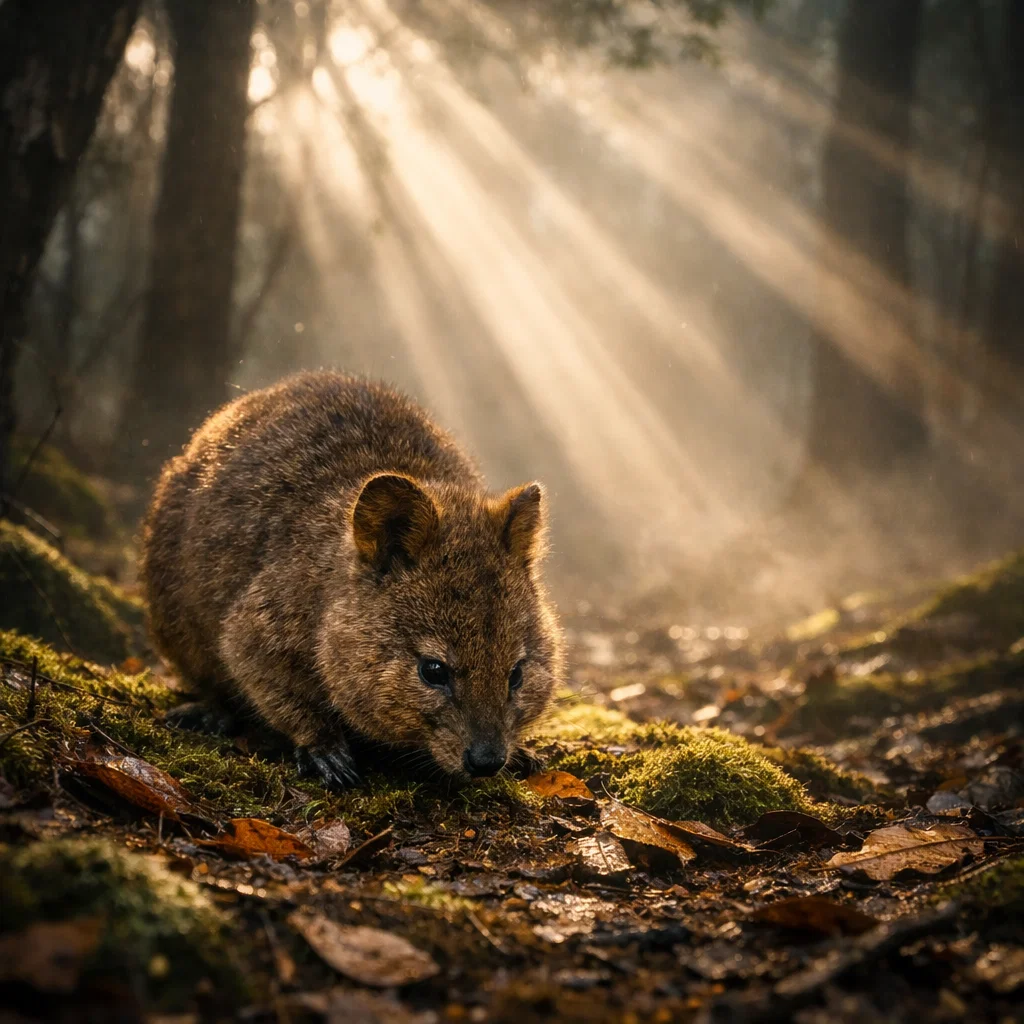
The history of the quokka is a narrative of indigenous heritage followed by centuries of European misidentification. To understand the bird—or rather, the marsupial—one must first master the name. The Quokkas pronunciation often trips up international visitors; the word originates from the Nyungar word gwaga, which was eventually adapted into the colonial lexicon. The term reflects the deep connection between the species and the First Nations people of southwestern Western Australia.
European contact with the species dates back to the mid-17th century, though the early descriptions were far from accurate. In 1658, Dutch mariner Samuel Volckertzoon described the animal as a “wild cat”. Decades later, in 1696,
‘Willem de Vlamingh encountered the dense populations on an island off the coast of the Swan River region. Mistaking the small, stocky marsupials for giant rodents, he named the land ‘t Eylandt ‘t Rottenest, which translates directly to “the rat nest island”.
This historical context is vital, as it illustrates how Western perception initially viewed these sophisticated macropods as pests or rodents, a view that persisted until modern zoological assessments provided a more accurate taxonomic frameworks.
Taxonomic Framework and Evolutionary Context
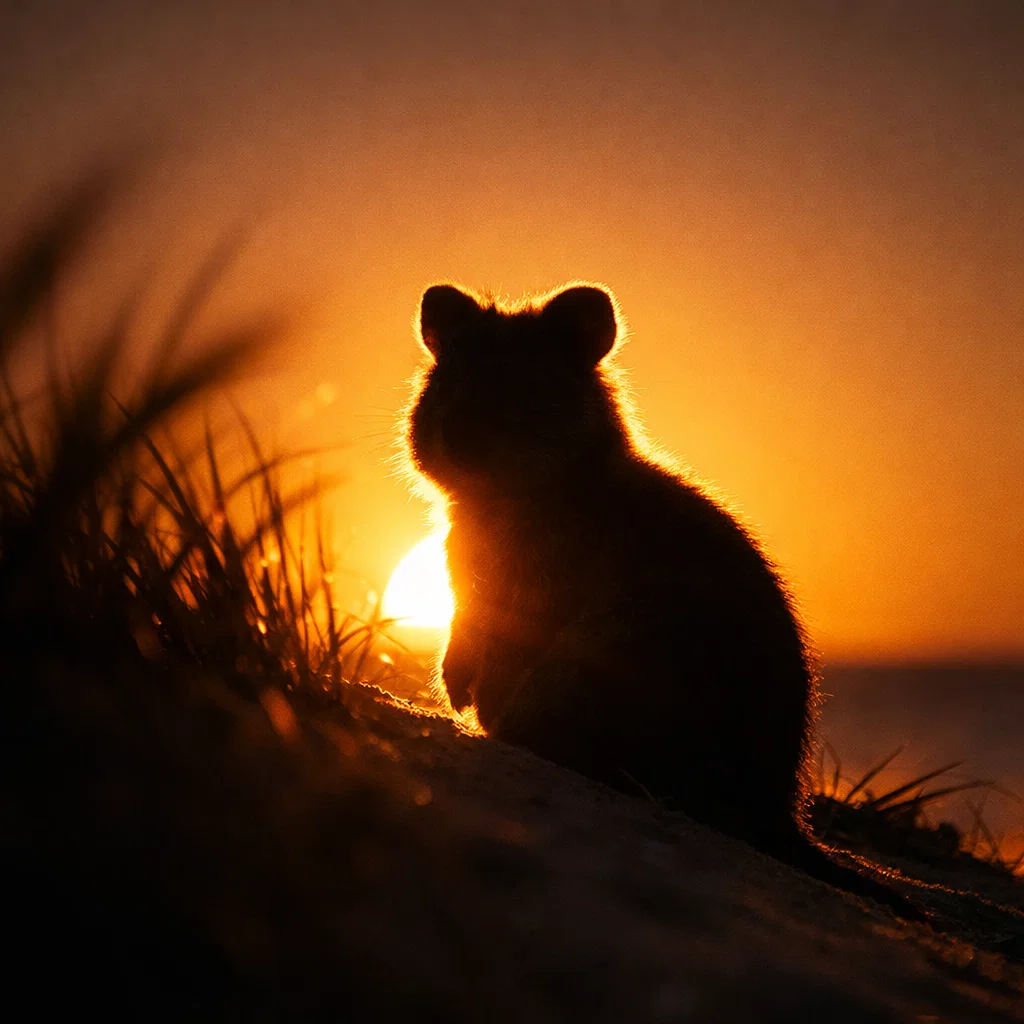
The quokka belongs to the order Diprotodontia, a diverse group of marsupials that includes iconic species such as kangaroos, wallabies, possums, and wombats. Within the family Macropodidae—the “big-footed” marsupials—the quokka occupies a unique position as the sole extant member of the genus Setonix. This monotypic status highlights a significant evolutionary divergence from other macropods.
Biological research suggests that the quokka is a relic of a lineage that adapted to the dense, high-rainfall environments of the south-west before the Australian continent underwent significant aridification. While they share the hopping gait of their larger kangaroo cousins, their evolutionary path has led to several distinct physical and behavioral specializations.
| Taxonomic Rank | Classification |
| Kingdom | Animalia |
| Phylum | Chordata |
| Class | Mammalia |
| Infraclass | Marsupialia |
| Order | Diprotodontia |
| Family | Macropodidae |
| Genus | Setonix |
| Species | Setonix brachyurus |
Physical Morphology and the “Smile”
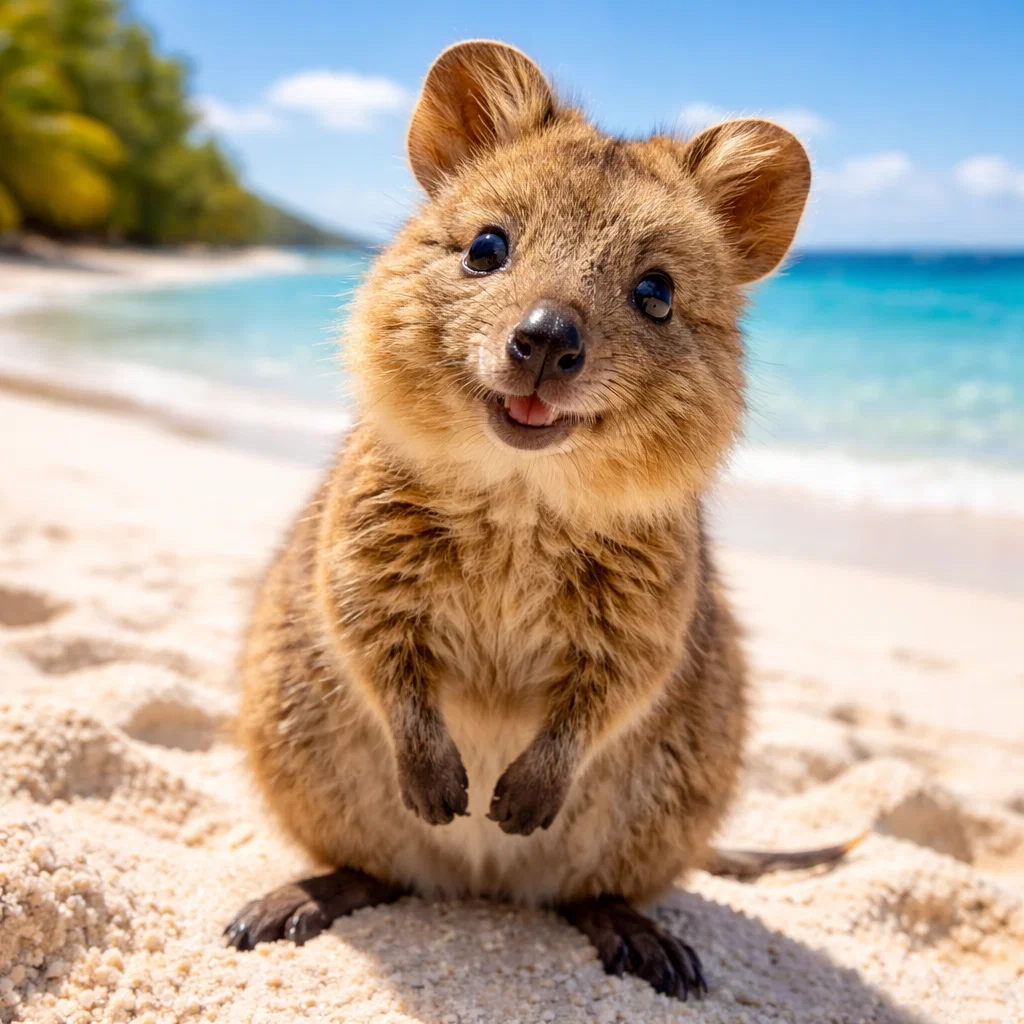
The physical appearance of the quokka is characterized by a stocky build and a hunched posture. They possess well-developed hind limbs designed for bipedal saltation (hopping), though they are also capable of quadrupedal movement. Unlike many other macropods that utilize their tails as a powerful “third limb” for balance or propulsion, the quokka’s tail is relatively short, thinly furred, and serves a different biological purpose: it acts as a vessel for fat storage to be used during lean periods.
Their integument consists of thick, coarse fur that is typically grizzled brown, transitioning to a lighter buff or greyish-brown on their underbelly. Interestingly, there are morphological variations between different populations; mainland quokkas often exhibit darker fur tones, which likely serves as camouflage within the dense, shaded forests and swamps they inhabit. Their craniofacial features include a short, broad head, rounded ears, and a naked, black nose.
Of course, the most famous feature of the quokka is its “smile.” Biologically speaking, this is not an expression of emotion but a result of their facial musculature and protruding front teeth, which are specialized for clipping vegetation. While the “smiling” expression has garnered them international fame, it is a purely anatomical trait.
Size and Metabolic Data
Biological assessments provide specific measurements for the species:
- Male Weight Range: 2.7 to 5.0 kg
- Female Weight Range: 1.6 to 3.5 kg
- Head-Body Length: 40 to 54 cm for both sexes
- Tail Length: 25 to 31 cm
- Basal Metabolic Rate: 4.695 W
- Average Lifespan in the Wild: approximately 10 to 15 years
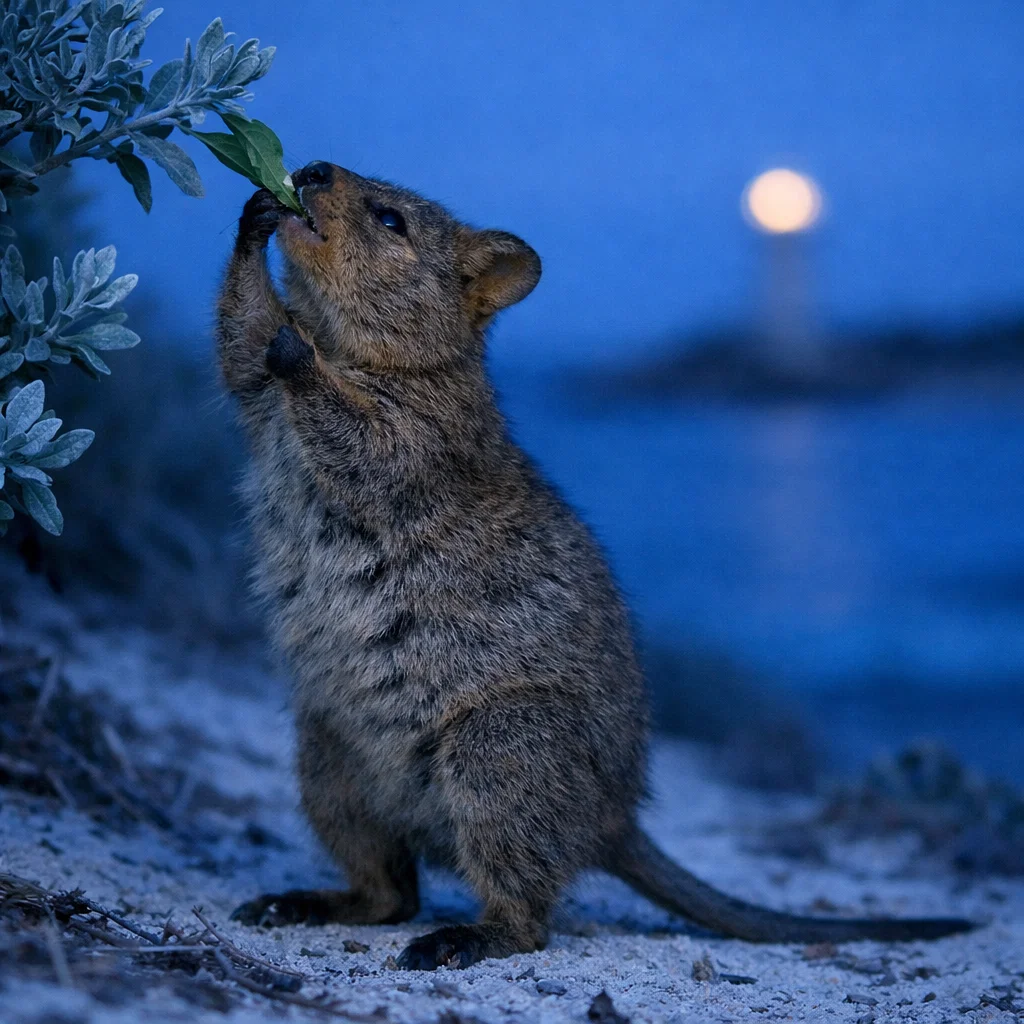
One of the most remarkable physical abilities of the quokka is its arboreal capacity. While most macropods are strictly terrestrial, quokkas are capable of climbing small trees and shrubs up to 1.5 to 2 meters high. This allows them to forage for leaves and buds that are inaccessible from the ground. Biomechanically, their femur possesses a posterior curvature (posterior concavity) that helps mitigate bending strains during both hopping and climbing, suggesting a specialized musculoskeletal evolution.
Are quokkas endangered? Population and Distribution
When asking “Are quokkas endangered?” the answer is nuanced. The species is currently classified as “Vulnerable” by the IUCN and under Australian national law. This classification is due to a dramatic contraction of their range; the quokka’s distribution has shrunk by over 50% since the early 20th century. Historically, they spanned over $41,200 of southwestern Australia, but they are now restricted to three primary zones.
1. Island Strongholds
Rottnest Island is the primary stronghold for the species, supporting a thriving population of approximately 10,000 individuals. The absence of introduced predators like red foxes and feral cats has allowed quokkas to flourish here, inhabiting everything from coastal scrub to central settlement areas . A second, smaller island population exists on Bald Island near Albany, hosting between 600 and 1,000 quokkas. These island refugia are critical genetic reservoirs.
2. Mainland Fragmentation
On the mainland, the situation is more precarious. Quokkas are highly dependent on high-rainfall environments, typically inhabiting regions with 600 mm to 1,000 mm of annual precipitation. They are specialists of “Agonis swamps”—wetland habitats that provide dense ground cover for protection from predators. Key mainland populations include:
- Approximately 700 individuals in the southern forest between Nannup and Denmark.
- Small, isolated groups in Two Peoples Bay Nature Reserve and Northcliffe.
- A newly discovered population in the Perth Hills, found in late 2024, which marked a rare expansion in their recognized mainland range.
What do quokkas eat? Trophic Ecology Explained
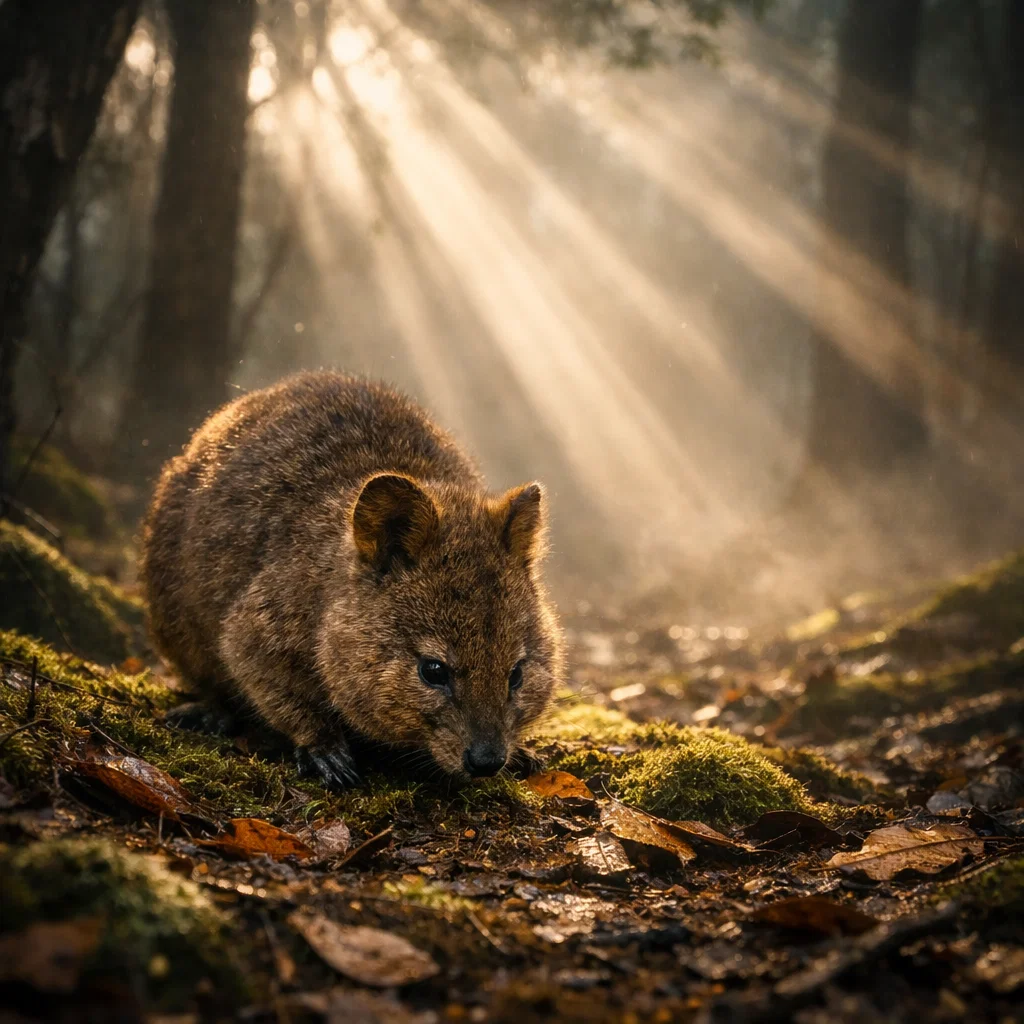
Understanding “What do quokkas eat?” requires a look at their role as obligate herbivores. They have evolved sophisticated mechanisms for processing the fibrous, nutrient-poor vegetation of the Australian bush. Their diet is seasonally dependent and highly varied, encompassing:
- Grasses and sedges.
- Leaves and seeds.
- Succulent plants.
- Bark.
Research has identified a strong dietary preference for shrubs in the Malvaceae family, specifically Guichenotia ledifolia.
Rumination and Water Metabolism
A unique feature of quokka biology is their ruminant-like digestion. Like cows, quokkas practice rumination, or “chewing the cud”. They swallow food whole, then later regurgitate and re-chew it to ensure maximal nutrient extraction through microbial fermentation.
Furthermore, their water metabolism is incredibly efficient. On Rottnest Island, where surface water is often scarce, quokkas satisfy their hydration needs primarily through moisture-rich succulents and green vegetation. They can survive for months without drinking fresh water, a trait that distinguishes them from many other marsupials. During periods of abundance, they store fat in their tails—acting as an “energy battery”—to withstand the dry seasons when high-quality forage is unavailable .
Ethology: Behavioral Patterns and Social Dynamics
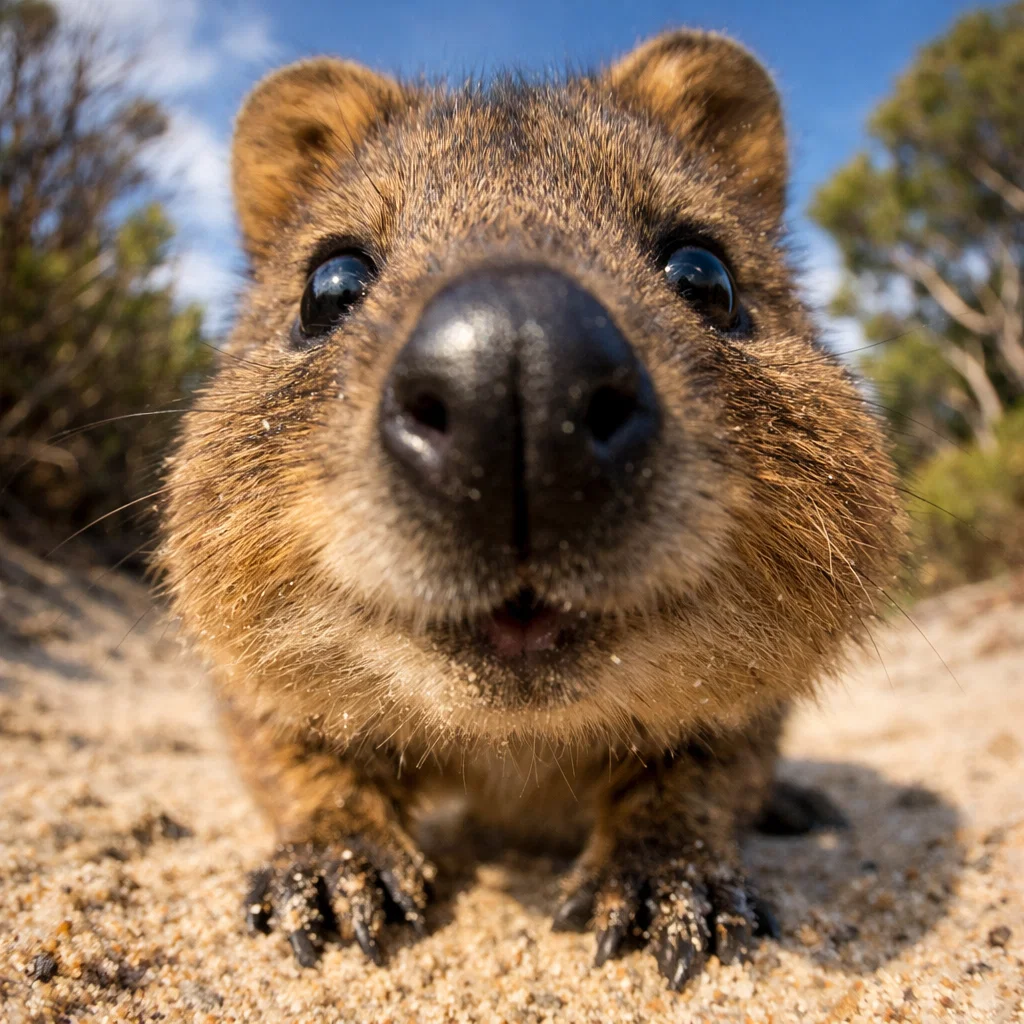
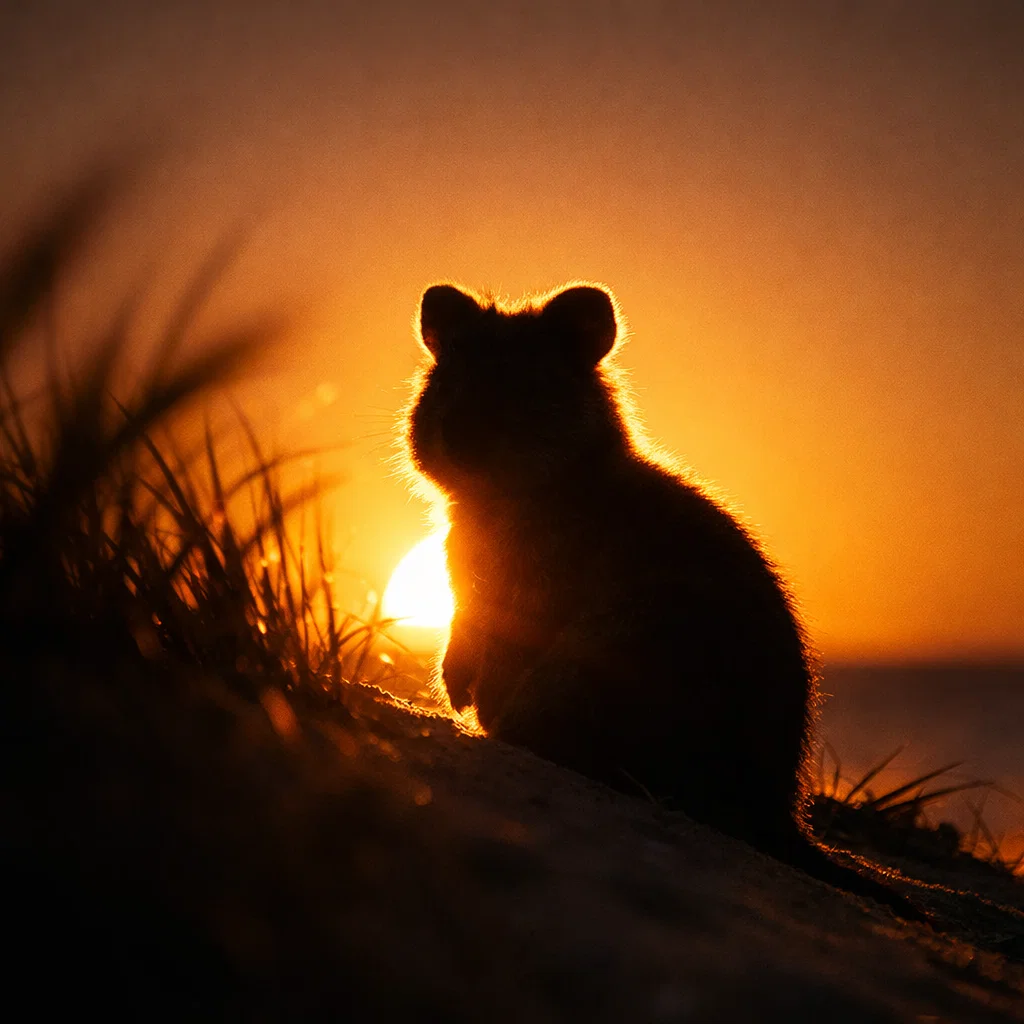
Quokkas are primarily nocturnal animals. They spend the heat of the day resting in shaded, dense vegetation and emerge at dusk to forage. This activity pattern is a vital thermoregulatory adaptation, allowing them to avoid extreme daytime temperatures that can reach $44.
Social Structure and Communication
While quokkas often congregate in large groups (up to 150 on Rottnest), they do not form highly structured “mobs” or packs like some other kangaroo species. Instead, they exist in loose family groups with overlapping home ranges. Within these groups, a dominance hierarchy exists among males, primarily determined by body weight. The heaviest males secure the best access to females and the most desirable shaded shelters for daytime rest.
Communication is largely tactile or scent-based, as there is minimal documentation of vocalizations. In dense scrubland, they maintain “runways”—well-trodden paths that allow for rapid movement between foraging sites and quick escape routes from predators. They often shelter in Acanthocarpus preissii plants, using the sharp spikes of the vegetation as a natural barrier against intruders.
Reproductive Biology and Survival Strategies
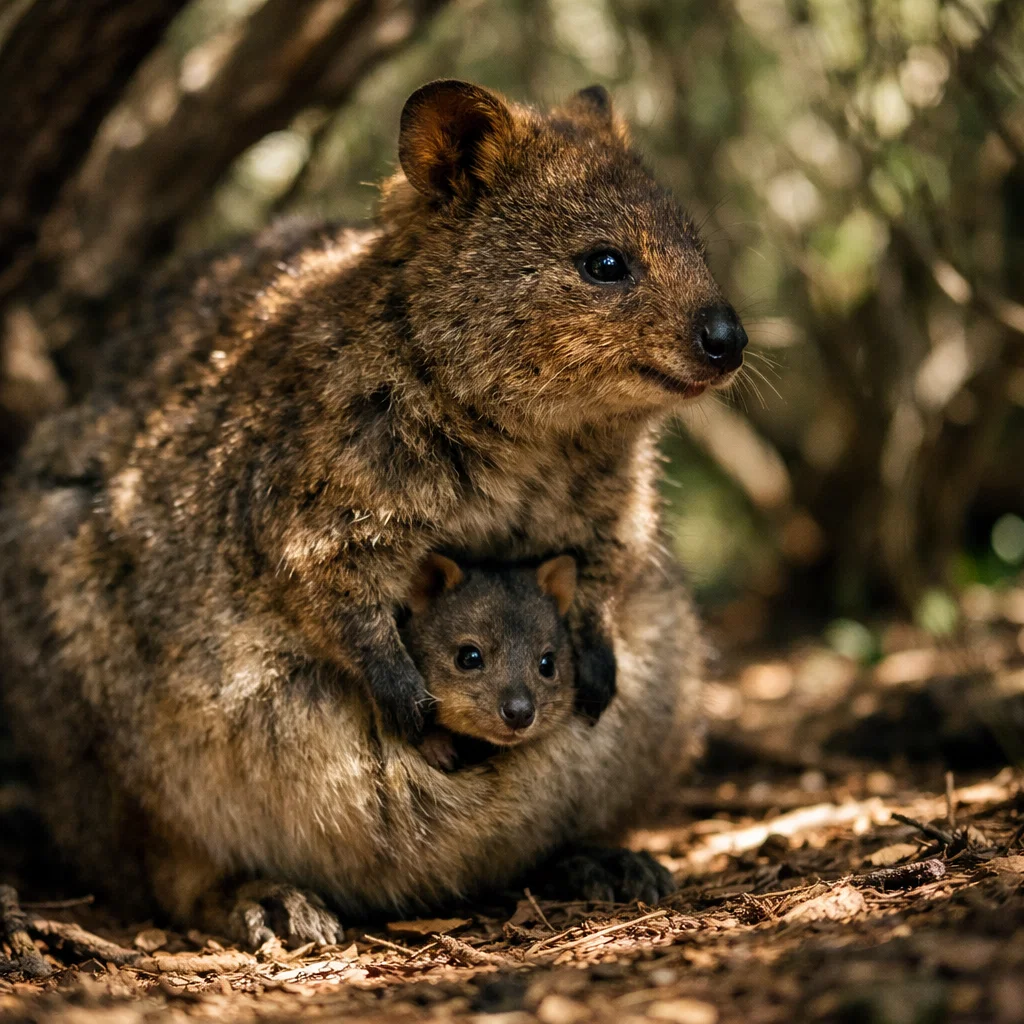
The reproductive cycle of Setonix brachyurus is a model of marsupial efficiency. The gestation period is remarkably short, lasting only 27 to 30 days. Following birth, the tiny, undeveloped joey migrates to the mother’s pouch, where it remains for approximately six months. Even after emerging, the joey continues to nurse for another two to six months, reaching full weaning around 8 to 12 months of age.
Embryonic Diapause: The Biological Insurance Policy
One of the most impressive reproductive adaptations is embryonic diapause. Immediately after giving birth, a female quokka will mate again. However, the resulting embryo enters a state of dormancy and does not develop unless the first joey is lost or dies. If the first joey survives its pouch life, the dormant embryo eventually disintegrates. If the joey perishes, the “backup” embryo awakens and begins development, allowing the female to produce replacement offspring without needing to find a new mate.
What is a dark fact about quokkas?
The internet often asks, “What is a dark fact about quokkas?” The answer involves a misunderstood but biologically fascinating survival mechanism. When a female quokka is pursued by a predator (such as a fox or dingo) and is in immediate danger, she may expel her joey from her pouch.
While often sensationalized as the mother “throwing” her baby at the predator, it is actually a physiological reflex where she relaxes her pouch muscles while fleeing. Once ejected, the joey emits loud hissing noises and wriggles on the ground, creating a distraction that draws the predator’s attention.
From an evolutionary standpoint, this ensures the survival of the mother—a “proven breeder” who can reproduce again—over the joey, who has a lower probability of survival without its parent.
Safety and Ethics: Are quokkas dangerous to Humans?
Because of their friendly appearance, many tourists wonder: Are quokkas dangerous? Generally, they are not aggressive, but they are still wild animals. On Rottnest Island, they have lost much of their fear of humans due to frequent exposure, but this “friendliness” can lead to issues.
Risks and Regulations
Despite their “smiling” faces, quokkas can bite and are known to carry zoonotic diseases, most notably Salmonella. Interactions should be kept respectful and at a distance. Furthermore, authorities strictly prohibit touching or feeding the animals.
Human food, such as bread or chips, can cause severe illness, dehydration, and even death for a quokka. On Rottnest Island, heavy fines are in place to protect the population from human interference.
Domestication Myths: Can You Have Quokkas as pets?
Given their cute appearance, a common search query is about keeping Quokkas as pets. However, it is important to state clearly that you cannot keep a quokka as a pet. They are a protected, vulnerable species under Australian law. Possession of a quokka without specific scientific permits is illegal.
Beyond the legal restrictions, quokkas are entirely unsuited for domestic life. They require highly specialized diets to support their ruminant-like digestion and specific environmental conditions (high moisture and dense native scrub) to survive. Furthermore, their nocturnal nature means they would be active while humans sleep, and their tendency to carry Salmonella makes them poor candidates for a home environment.
Quokka facts: A Summary of Key Findings
To wrap up our deep dive, here is a collection of essential Quokka facts derived from biological research:
- Scientific Name: Setonix brachyurus.
- The “Smile”: It’s a result of facial anatomy and jaw structure, not actual happiness.
- Climbing Ability: They can climb trees up to 2 meters high to find food.
- Discovery: Dutch explorers originally thought they were giant rats.
- Diet: They are obligate herbivores and ruminants.
- Hydration: They can survive for months without drinking water by eating succulents.
- Defense: Mothers may eject a joey as a distraction for predators.
- Conservation: They are listed as “Vulnerable”.
- Range: While found on the mainland, their primary stronghold is Rottnest Island.
Contributions to Human Medicine
One of the most profound aspects of quokka research is their role in human medicine. In the 1960s, Professor Byron Kakulas discovered that quokkas in captivity often suffered from a muscle-wasting disease leading to paralysis. His research revealed this was caused by a Vitamin E deficiency and, crucially, that quokka muscle fibers were capable of total regeneration once the deficiency was corrected.
At the time, skeletal muscle was believed to be incapable of regeneration. This discovery revolutionized the study of muscular diseases and directly contributed to treatments for Duchenne muscular dystrophy (DMD) in humans. Modern drugs like eteplirsen, which utilize “molecular patching” technology, owe their origins to observations made on the humble quokka.
Conservation Challenges and the Future
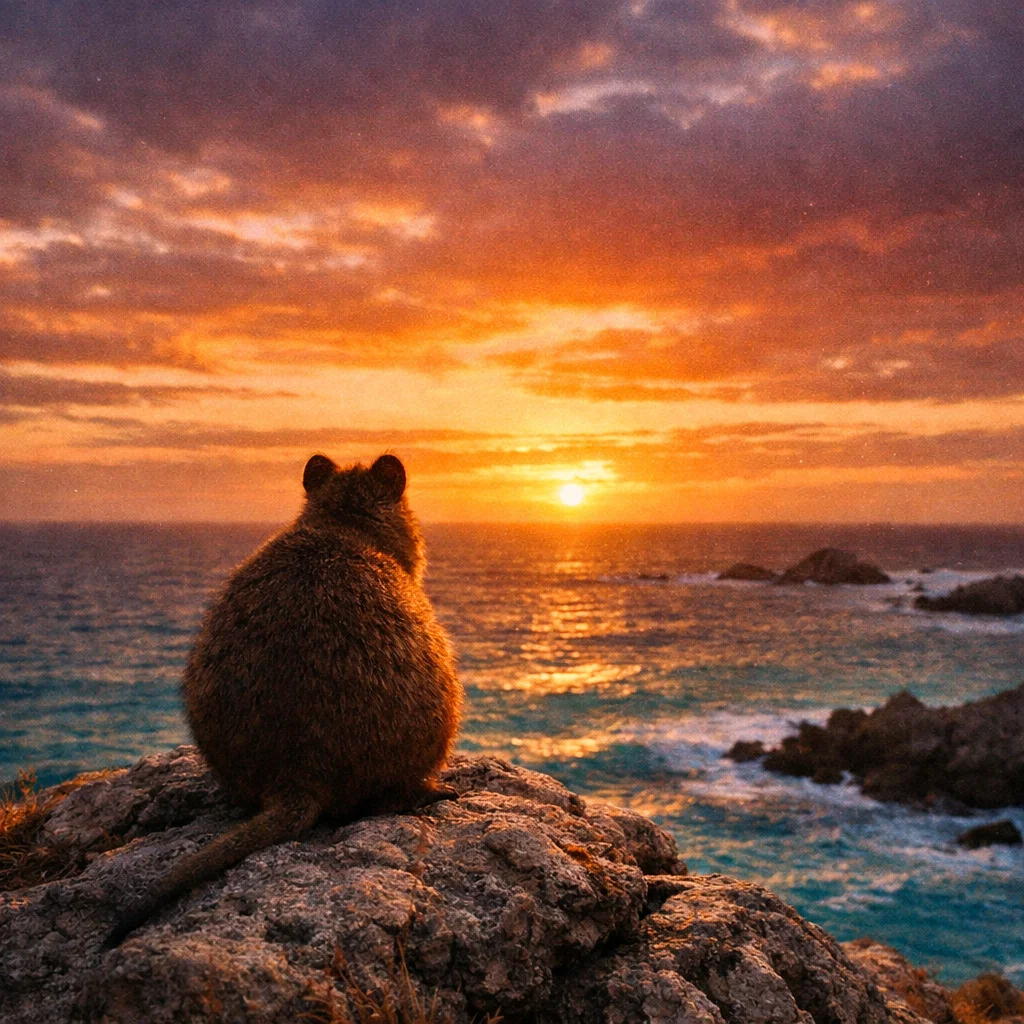
The persistence of the quokka as a species is a testament to its evolutionary ingenuity, but its future remains precarious. While the island populations are stable, they are geographically isolated and vulnerable to disease outbreaks or localized climate events. On the mainland, the species faces several critical threats:
- Introduced Predators: Red foxes and feral cats are the primary drivers of decline.
- Habitat Loss: Land clearing for agriculture and logging reduces available cover.
- Climate Change: A drying climate in southwestern Australia threatens the wetland habitats essential for mainland survival.
- Wildfires: Intense fires can decimate local populations; the 2015 Northcliffe fire left only a fraction of the local group alive.
The Western Shield Program
To combat these threats, the Department of Biodiversity, Conservation and Attractions (DBCA) manages the “Western Shield” program. This initiative involves large-scale predator control across 3.8 million hectares. In areas where fox management is active, native animal numbers—including quokkas—have seen significant increases.
Final Thoughts on the Quokka
The quokka is far more than a social media icon; it is a critical component of the Australian ecosystem and a sentinel for the health of Western Australia’s unique biodiversity. Protecting the quokka requires a multifaceted approach that combines rigorous predator control, habitat conservation, and the continued mitigation of anthropogenic climate change.
By moving beyond the “smiling” selfie and understanding the biological reality of these “Vulnerable” marsupials, we can ensure they continue to hop, climb, and thrive for generations to come.
Stay wild, stay curious – only on PetNarianPets!
Join The Fun On Instagram, X, Pinterest and YouTube.
Wanna Say Something about animals ? Contact Us.