
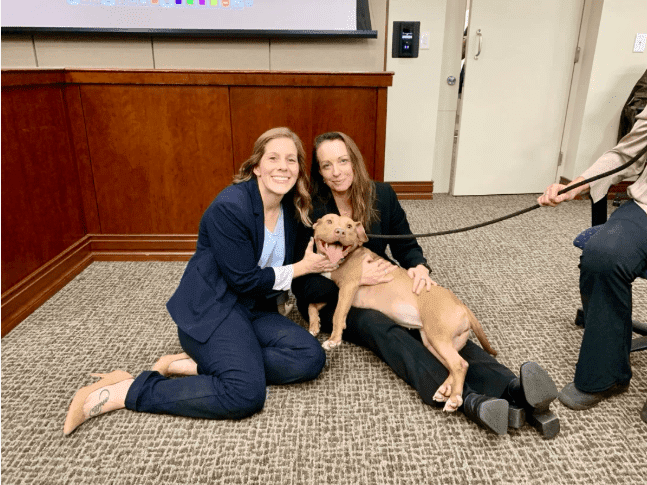
A recent case in Georgia has captured national attention as a man received a staggering 475-year prison sentence for facilitating dogfighting. This unprecedented punishment reflects the growing intolerance for dogfighting, a cruel practice that continues to persist despite being illegal. In this article, we explore the details of the case, the broader context of dogfighting, and the implications of such severe sentencing on animal cruelty and legal deterrence.
In a landmark case, a Georgia man was sentenced to 475 years in prison for his role in facilitating dogfighting. The sentence, which was handed down by a judge using consecutive sentencing for multiple counts of animal cruelty and related charges, is one of the harshest ever imposed in a dogfighting case. Prosecutors emphasized that this eye-popping punishment was intended to send a powerful message to potential offenders and to highlight the severity of the crime.
This case is not isolated. Dogfighting, despite being outlawed, remains a prevalent issue across the United States. The fact that an individual can accumulate enough charges to warrant a 475-year sentence underscores the multiple facets of the crime, from organizing illegal fights to the mistreatment and neglect of the animals involved.
Dogfighting is an underground sport that often involves the brutal treatment of dogs for the sake of gambling and entertainment. It is a practice steeped in cruelty, where animals are forced into violent confrontations and left with severe injuries or death. This illicit activity not only endangers the lives of the dogs but also undermines community safety and public morality.
Authorities have been intensifying their efforts to crack down on dogfighting rings across the nation. The 475-year sentence in Georgia serves as a stark reminder that the legal system is prepared to impose extreme penalties for crimes associated with dogfighting. This heavy punishment aims to deter others from participating in or facilitating such inhumane practices.
The sentencing in this case was the result of stacking multiple consecutive sentences for various charges related to dogfighting. Each count—from conspiracy and animal cruelty to facilitating the illegal sport—carries significant penalties. When these sentences are served one after the other, the cumulative total can reach hundreds of years, as seen in this case.
Prosecutors have long argued that a lengthy sentence like 475 years is not just about punishing one individual; it is about setting a precedent. By imposing such a harsh sentence, the courts aim to discourage others from engaging in dogfighting. The hope is that the threat of a similarly extreme punishment will curb the widespread nature of the crime, ultimately protecting more animals from cruelty.

The news of the 475-year sentence has sparked widespread public debate and media coverage. Animal welfare organizations have praised the decision as a significant step toward curbing dogfighting. Many believe that strong legal actions are essential to send a clear message that animal cruelty will not be tolerated.
However, some critics question whether such lengthy sentences are effective or merely symbolic. They argue that while the punishment is severe, addressing the root causes of dogfighting—such as poverty, lack of education, and organized crime—is equally important for long-term change.
Nonetheless, this verdict has undoubtedly raised awareness about dogfighting and the brutal realities behind it. Community leaders and animal rights activists are now calling for increased funding for law enforcement and more comprehensive animal protection laws to prevent such crimes from occurring in the future.
The case of the 475-year sentence for dogfighting is a turning point in the fight against animal cruelty. It highlights the necessity of strong legal measures and community engagement to combat an illegal practice that continues to cause untold suffering. By addressing dogfighting through both severe legal penalties and preventive measures, society can hope to protect vulnerable animals and promote a more compassionate world.
As this case reverberates through the legal and animal welfare communities, it serves as a reminder that every act of cruelty has consequences. The goal is not only to punish but also to foster a safer, more humane society where the rights and lives of animals are respected and preserved.
Liked what you read ? Support Us On Instagram, X, Pinterest and YouTube.
Wanna Say Something? Contact Us.