

An Introduction to Airport Felines at Barajas Airport
Table of Contents
Picture this: You’ve just landed at Madrid-Barajas Adolfo Suárez Airport, one of Europe’s busiest aviation hubs. The air hums with the energy of arriving and departing flights, the bustle of travelers, and the distant rumble of baggage carts. But amidst this symphony of travel, there’s another, softer, more ancient presence: its feline residents. Yes, you read that right. Stray cats at an international airport. It sounds like something out of a quirky indie film, but it’s a very real, and remarkably complex, aspect of Madrid cat management. While you’re focused on passport control and luggage retrieval, a dedicated team is ensuring the well-being of these independent spirits, navigating an environment few would ever associate with a purr.
This isn’t just about feeding a few friendly strays; it’s about sophisticated, humane Madrid cat management in a high-stakes, highly regulated environment. It’s about ensuring the safety of both humans and animals, maintaining ecological balance, and, most importantly, providing compassionate care. It’s a challenge that requires ingenuity, dedication, and a deep understanding of feline behavior.
And at the heart of this fascinating, often overlooked, operation is Gestión Felina Aeroportuaria Madrid (GFAM). This incredible organization has taken on the vital task of caring for the airport’s feline colonies, transforming what could be a problem into a model of humane coexistence.
Ready to peek behind the curtain of one of Madrid’s most unique animal welfare stories? You might think you know about animal rescue, but what happens within the complex fences of a major airport? Trust us, there are insights and inspiring tales here you absolutely won’t want to miss. Get ready to discover the unseen heroes and the surprising wonders of Madrid cat management at its most specialized.
More Than Just Cats: Understanding the Role of GFAM
Before we zoom in on the specifics of airport life, let’s understand why “Madrid cat management” is crucial, whether in a bustling city park or, indeed, at a sprawling airport. Uncontrolled stray cat populations can lead to various issues: health risks for both animals and humans, ecological imbalances (impacting local bird populations, for instance), and ultimately, suffering for the cats themselves due to disease, hunger, and conflict. In urban areas, the typical reasons for feline presence are simple: abandonment, accidental escapes, or generations of feral cats forming colonies. Airports are no different, though the scale and specific challenges are amplified. They offer shelter, potential food sources (think discarded food or small rodents), and a large, often inaccessible, terrain.
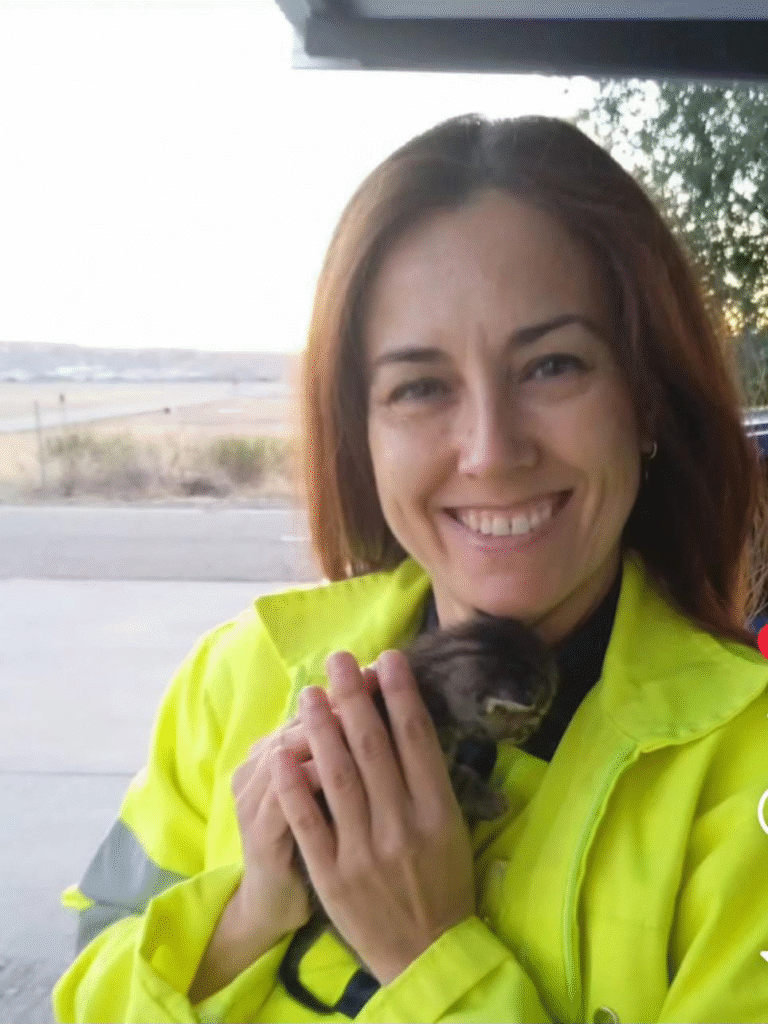
Specifically at Barajas Airport, Gestión Felina Aeroportuaria Madrid often encounters cats that have been sadly abandoned by passengers, airport workers, or even passersby. These innocent animals, often confused and frightened, suddenly find themselves adrift in a bewildering, dangerous environment, adding a layer of poignant urgency to their work.
The globally recognized gold standard for humane population control of stray and feral cat colonies is Trap-Neuter-Return (TNR). This method involves:
- Trapping: Humanely catching the cats.
- Neutering/Spaying: Sterilizing them to prevent further breeding.
- Vaccinating: Protecting them against common diseases.
- Ear-tipping: A universal sign that a cat has been sterilized and vaccinated.
- Returning: Releasing the cats back to their original colony where they have established territory and social bonds.
TNR stabilizes colony size, improves the health of the cats, and reduces nuisance behaviors associated with unneutered animals. It’s a compassionate and effective approach to feline population control.
Gestión Felina’s mission is precisely this, but adapted for the incredibly unique airport environment. They are dedicated to implementing comprehensive and humane Madrid cat management strategies within the airport’s perimeter, ensuring the well-being of these animals while contributing to the airport’s operational harmony. Their work goes beyond simple feeding; it’s a commitment to a better life for every airport feline.
Under the Radar: The Unique World of Gestión Felina Aeroportuaria Madrid
Imagine conducting animal welfare work in a place where jumbo jets take off every few minutes, security is paramount, and vast, open spaces meet intricate, restricted zones. That’s the daily reality for Gestión Felina Aeroportuaria Madrid. The airport isn’t just a backdrop; it’s an active, dynamic ecosystem that presents a litany of unique challenges for Madrid cat management:
- Noise & Vibrations: The constant roar of aircraft can be incredibly stressful for animals, impacting their behavior and making trapping more difficult.
- Vast Terrain & Restricted Access: Airports are huge. Locating and accessing colonies requires extensive knowledge of the grounds and strict adherence to security protocols.
- Safety Hazards: Moving vehicles, active runways, and equipment pose significant risks to both the cats and the volunteers.
- Logistics & Coordination: Navigating the airport’s complex infrastructure and safety regulations is a constant, intricate dance.
Crucially, despite the vital nature of their work, the official airport administration does not collaborate with Gestión Felina. In fact, they often present significant obstacles. A stark example of this is a recent policy change: official channels no longer allow GFAM to return sterilized cats to the airport grounds, even after they’ve been humanely treated. This single policy shift dramatically compounds GFAM’s challenges.
This specific problem was the very catalyst for Gestión Felina’s evolution. Faced with nowhere to return the hundreds of cats they were sterilizing and vaccinating, the need to move beyond merely being colony caretakers became urgent. This led to the formation of Gestión Felina Aeroportuaria Madrid as a formal, non-profit animal protection association.
To house these cats who, due to age, health issues, or simply being domestic cats vulnerable on the streets, needed a safe haven, Gestión Felina took an extraordinary step: they built their own sanctuary, “La Vega Cats Sanctuary”. This sanctuary now serves as a lifeline for those unreturnable cats and provides shelter for all cats trapped for sterilization from the airport’s highly restricted zones.
The long term objetive of GFAM is to eventually move all the stray cats in the airport to the santuary, but due to ghe lack of resources and manpower they are now only able to prioritise the cats with the most urgent needs.
The challenge is immense because no one else takes responsibility for these animals. Within this specific restricted zone of the airport, national animal welfare laws often do not apply, often superseded by complex international guidelines governing such areas. This regulatory void means no company or public entity provides funds, sterilizes them, feeds them, or cares for these cats. Gestión Felina Airportina stands alone.
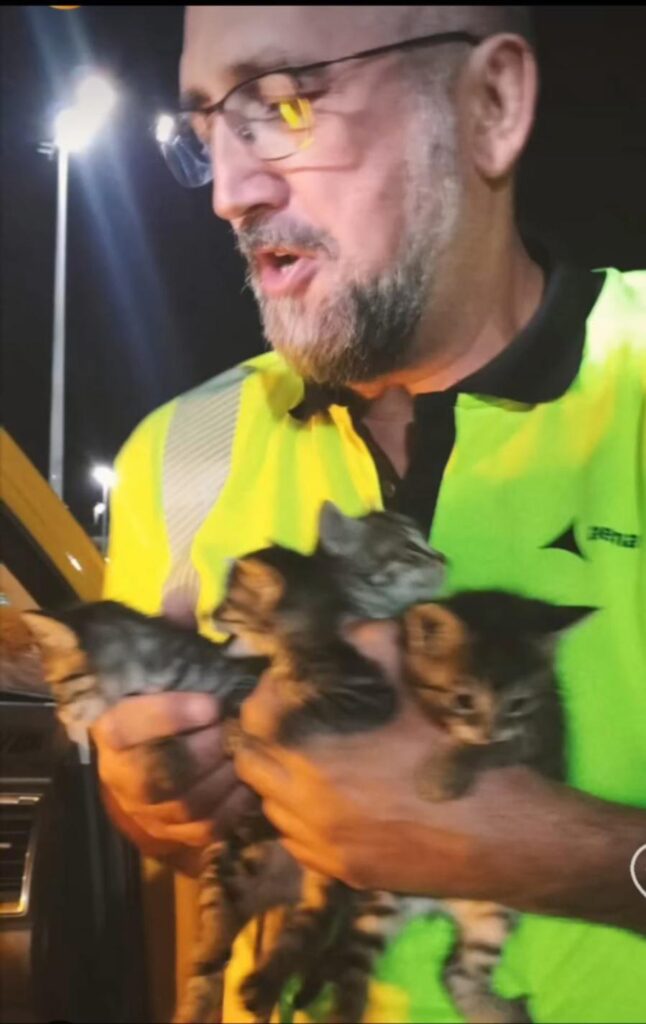
Adding to their incredible commitment, Gestión Felina has built a vital network right within the airport: airport workers from various companies who know and trust the association. These dedicated individuals act as additional eyes and ears, promptly notifying Gestión Felina in case of an abandonment, allowing for swift intervention.
Furthermore, Gestión Felina Aeroportuaria Madrid has expanded its reach to ensure safety for all animals at the airport. They are now working together with @flytogether_2021 to supervise the safe handling of dogs and cats arriving in the cargo hold. This vital animal supervision service is provided completely voluntarily and free of charge, undertaken only when their primary work allows. It’s another testament to their profound dedication to animal welfare beyond just the resident colonies.
What does a day in the life of a GFAM volunteer look like? It’s not your average cat rescue. It might involve:
- Early morning reconnaissance before peak flight times.
- Careful trap placement in secure, discreet areas, far from active runways, taxiways and apron.
- Navigating complex internal roads with airport security clearance.
- Monitoring traps from a distance using binoculars or cameras to minimize disturbance.
- Transporting trapped cats to a veterinary facility, often off-site, for spaying/neutering and health checks.
- Transporting cats to the Sanctuary, a new, vital step in their process.
- Maintaining feeding stations in designated safe zones, often at odd hours to avoid interference.
- Educating airport personnel on humane cat management practices.
It’s a ballet of precision and compassion, executed within one of the world’s most rigorously controlled environments, often against significant odds. Every successful trap, every healthy cat, every stabilized colony is a testament to the unparalleled dedication of Gestión Felina Aeroportuaria Madrid. They are the silent, tireless guardians, ensuring that these often-overlooked residents not only survive but find safety, even when official channels fail them.
From Feral to Friendly: GFAM’s Impact and Success Stories
The work of Gestión Felina Aeroportuaria Madrid isn’t just about managing populations; it’s about transforming lives—both feline and human. Their consistent and diligent application of Madrid cat management principles has yielded truly remarkable results, demonstrating the power of humane intervention.
Through their dedicated Trap-Neuter-Return programs, GFAM has achieved:
- Stabilized Colony Sizes: Preventing endless cycles of breeding, leading to a healthier, more manageable population of airport cats. Fewer kittens are born into a challenging environment, and existing cats live longer, healthier lives.
- Improved Health: Regular veterinary attention (sterilization, vaccinations, parasite control) means the cats are in much better condition, reducing the spread of disease within colonies and to other animals.
- Reduced Nuisance Behaviors: Behaviors associated with unneutered cats, such as fighting, spraying, and constant vocalization, are significantly reduced, leading to a more harmonious environment for both cats and airport operations.
- Providing a Safe Haven: The creation of “La Vega Cats Sanctuary” means that vulnerable cats (due to age, health, or domesticity) and those awaiting sterilization now have a secure, caring environment, a direct result of the association’s proactive problem-solving.
It’s important to note the immense challenges in this aspect of their work. While GFAM tirelessly tries to relocate those cats that, due to age or health issues, can no longer safely live at the airport, their noble efforts are constrained by significant financial and space limitations. These constraints tragically prevent them from helping every single cat in need of a new home.
Consider “Pushbee¨ who was a baby that was trapped in an aircraft towing machine and in the beginning, no one heard his cries because of the terrible noise on the runway from the machines and the planes. The machine was actually used to tow away several planes with Pushbee in it before someone finally heard his cries for help. He was eventually rescued by GFAM, adopted by an airport employee and now enjoys a cozy life indoors. Stories like Pushbee´s are not rare; they are the heart of Gestión Felina Aeroportuaria Madrid’s mission.
Beyond the individual cats, GFAM’s presence fosters a culture of compassion within the airport community. Airport staff, initially perhaps indifferent or even wary of the cats, often become staunch supporters, recognizing the professional and humane approach taken by GFAM. This creates a broader positive impact on animal welfare perception within a major public and commercial entity. The “aha!” moment for many is realizing that efficient airport operations and dedicated animal welfare can, and do, go hand-in-hand.
What You’re Missing: Why GFAM’s Work Matters to All Pet Owners
You might be thinking, “That’s amazing for Madrid, but what does Madrid cat management at an airport have to do with me and my fluffy companion at home?” Well, a lot more than you might imagine! The work of GFAM offers profound universal lessons relevant to every pet owner and animal lover:
- Responsible Pet Ownership: GFAM’s efforts underscore the critical importance of spaying and neutering. Every stray cat, even at an airport, is a reminder of the need for responsible pet ownership to prevent overpopulation and abandonment. Their work highlights the consequences when pet owners fail to act responsibly.
- The Power of Humane Solutions: GFAM’s success demonstrates that even in the most challenging environments, humane approaches like TNR are effective and sustainable. This is a powerful message for communities worldwide grappling with stray animal issues.
- Unyielding Dedication Against Odds: The very existence and continued work of Gestión Felina Aeroportuaria Madrid is a testament to how passionate, self-funded individuals can make a monumental difference, even when faced with lack of official support and significant obstacles from airport administration. It shows that compassion knows no boundaries—not even airport security lines or complex regulatory voids.
- Innovation in Animal Welfare: GFAM is a prime example of adapting established animal welfare practices to unique circumstances and even expanding their scope (like cargo supervision). This inspires us to think creatively about animal management problems in our own towns and cities, no matter how daunting they seem.
- Advocacy for Lost Pets: GFAM’s voluntary work in searching for lost passenger animals (like Romeo and Arturo) shines a light on a critical gap in official airport protocols. The airport administration, with all its resources, should be responsible for establishing clear procedures and enforcing accountability for lost customer animals. Instead, a lost pet is often treated with the same casualness as a lost suitcase, offering mere compensation instead of punitive action to ensure better oversight. GFAM steps into this void, using their personal network when official channels should have far-reaching tools.
By focusing on these unique challenges and triumphs, GFAM isn’t just managing cats; they’re setting a precedent and inspiring broader action. If you’ve never considered the intricacies of animal welfare in such a specialized environment, you’re missing out on a truly inspiring story of dedication, ingenuity, and the profound impact of compassionate action. Understanding this work enriches your perspective on global animal welfare and reinforces the idea that every animal, regardless of its location, deserves care and respect. It’s a testament to the belief that where there’s a will, there’s always a humane way.
Joining the Flight Plan: How You Can Support Madrid Cat Management (and GFAM)
The quiet hum of the planes taking off from Barajas Airport carries with it not just passengers, but also the silent stories of the cats cared for by Gestión Felina Aeroportuaria Madrid. Their work is a beacon of hope and a model for effective, humane Madrid cat management in the most unusual of places.
This incredible collaboration between PetNarianPets and GFAM aims to shine a much-needed light on their vital efforts. As we’ve learned, GFAM operates entirely independently, receiving no financial aid from the airport administration or any airlines for their tireless work. In fact, they face significant obstacles, including being barred from returning sterilized cats to the airport grounds. Their entire operation—from food and veterinary care to maintaining “La Vega Cats Sanctuary” and rescuing cats from a hostile environment—relies solely on their volunteers and the generosity of public support.
That is why GFAM makes a public, heartfelt appeal for your help. They desperately need:
- Volunteers: To assist with the demanding work at the Sanctuary and with airport rescues.
- Financial Contributions: Crucially needed to maintain and care for the cats at “La Vega Cats Sanctuary”—cats rescued directly from the airport—and to continue their vital mission of removing cats from the airport colonies, which are a dangerous and hostile environment for any animal.
If you’re as inspired by their unique mission as we are, here’s how you can help keep their compassionate flight plan soaring and directly impact their ability to continue this essential work:
- Educate Others: Share this article far and wide! Let your friends, family, and fellow pet enthusiasts know about the remarkable work of GFAM and the unique challenges they overcome. Spreading awareness is the first step in fostering greater support and understanding for specialized animal welfare initiatives.
- Support GFAM Directly: You can also support them by following them on their official social media channels, as their cargo supervision work and lost animal search efforts are also entirely voluntary and unpaid!
- Instagram: @gfam_madrid
- Facebook: gfam gestión felina aeroportuario de Madrid
- YouTube: La Vega Cats Sanctuary
- Act Locally, Think Globally: Take inspiration from GFAM’s dedication. If your community faces challenges with stray animal populations, research local Trap-Neuter-Return programs (you can link to a PetNarianPets article on general TNR here: [Internal Link to Your TNR Article/Guide]). Consider supporting your local animal shelters and welfare organizations.
The tireless efforts of GFAM remind us that compassion knows no bounds and that even in the most unexpected corners of the world, dedicated individuals are making a profound difference, often against formidable odds. Let’s champion their cause and help ensure the well-being of every cat, even those under the flight paths of Madrid.
This video shows how volunteers in the sanctuary care for the cats they rescue.
Watch Latest Episodes of The 60 Second Safari!
Your point of view caught my eye and was very interesting. Thanks. I have a question for you.