
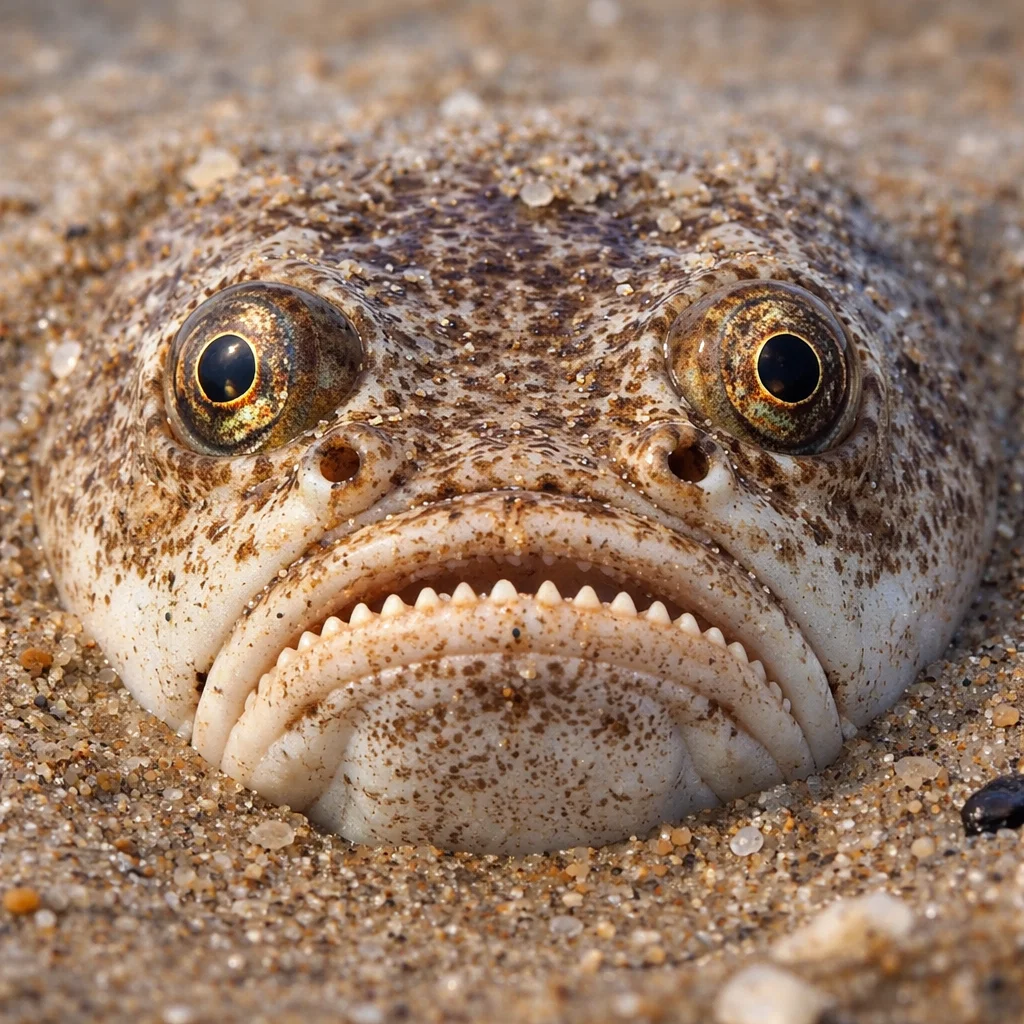
The Star Gazer Fish is a member of the family Uranoscopidae, a group of ray-finned teleosts specifically adapted for a life of high-efficiency predation on the ocean floor. These organisms are categorized by their unique cranial morphology, which features dorsally oriented eyes and mouths, a trait that gave rise to their common name. From a biological perspective,
The Uranoscopidae represent a rare evolutionary convergence, as they are among the few marine families to possess both venomous spines and bio-electric organs. As a specialized Ambush Predator, the species relies on sophisticated Benthic Camouflage and physiological adaptations to dominate its niche.
Table of Contents
Research compiled by PetNarianPets indicates that there are over 50 species within this family, distributed across several key genera including Uranoscopus, Astroscopus, and Kathetostoma. These fish are not merely passive inhabitants of the sand; they are active biological systems equipped with specialized tools for both subduing prey and deterring larger predators. This report provides a data-driven evaluation of their taxonomic standing, physiological capabilities, and the risks they pose to human populations.
The following table provides a concise summary of the biological profile for the common members of the Uranoscopidae family. This data serves as a reference for the detailed analysis of the Benthic strategies and defensive mechanisms discussed in the subsequent sections of this report.
| Field | Data Detail |
| Classification | Kingdom: Animalia, Phylum: Chordata, Class: Actinopterygii, Order: Perciformes, Family: Uranoscopidae |
| Scientific Name | Uranoscopus scaber (type species); Astroscopus y-graecum (Electric variant) |
| Habitat | Temperate and tropical continental shelves; sandy, silty, or muddy substrates |
| Diet | Carnivorous (Piscivorous/Invertebrate specialist) |
| Lifespan | 5 to 10 years (estimated based on growth rate and environmental conditions) |
| Superpower” or Special Feature | Multi-modal weaponry: 50V Electric Fish discharge and Venomous post-opercular spines |
| Natural Predator | Large elasmobranchs (sharks and rays) and commercial bottom trawlers |
| Natural Prey | Small demersal fish, crabs, shrimp, and various marine annelids |
Taxonomic Classification and Systematic Distribution
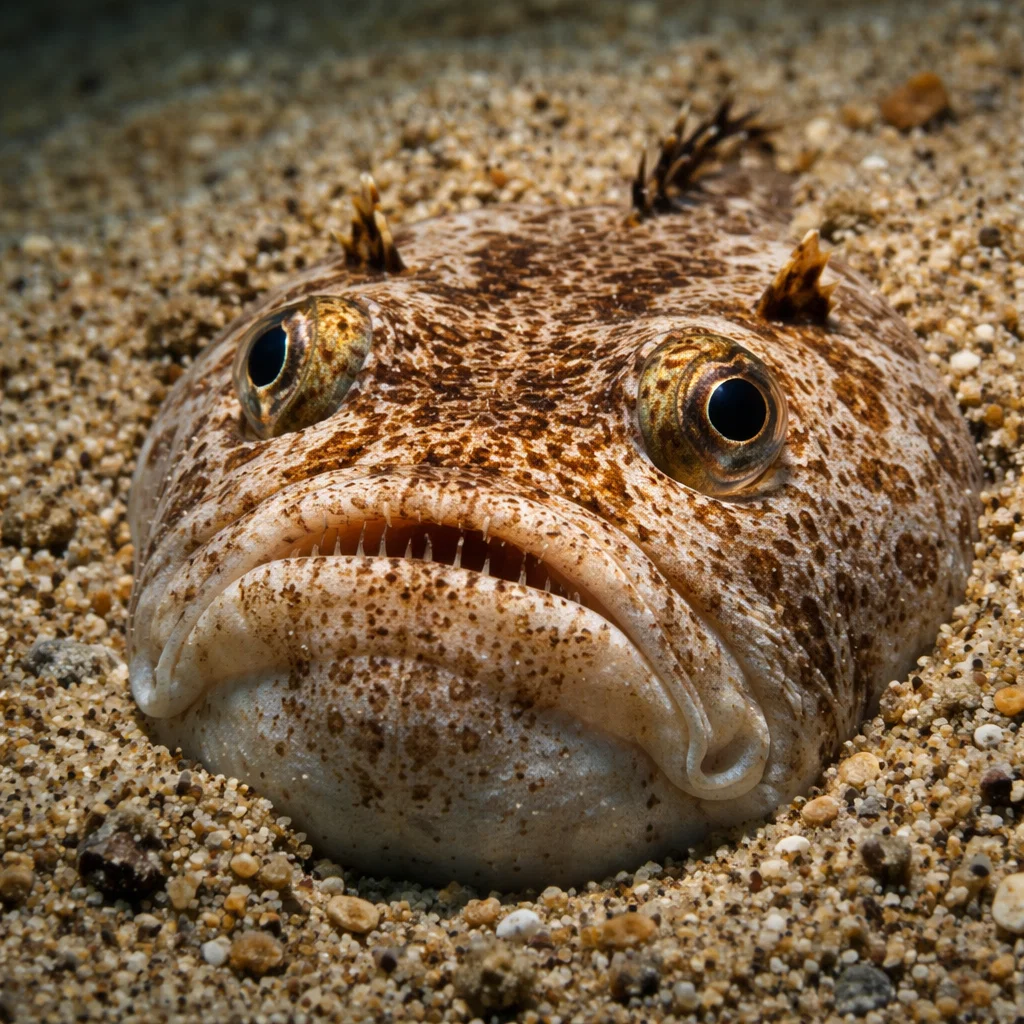
The Uranoscopidae family is positioned within the order Perciformes. The Stargazer fish scientific name often depends on the geographic region and specific morphological traits, but the most frequently cited species in academic literature is Uranoscopus scaber, found extensively in the Mediterranean and Atlantic. The family is divided into approximately eight genera. The genus Astroscopus is particularly notable among researchers because it contains the only species of stargazers capable of generating a significant bio-electric discharge.
Geographically, these fish maintain a global presence in nearly all non-polar marine environments. They are most densely populated along the continental shelves where the water depth is shallow to moderate. They are found in the Atlantic, Pacific, and Indian Oceans. In the Indo-Pacific, species like the Giant Stargazer (Kathetostoma giganteum) represent the upper limits of the Stargazer fish size, often reaching nearly a meter in length. Their distribution is strictly tied to the availability of loose substrate, as their entire survival strategy depends on the ability to remain buried.
Morphological Characteristics and Skeletal Architecture
The anatomy of the Star Gazer Fish is defined by its “top-heavy” appearance. The head is large, bony, and significantly wider than the rest of the body, which tapers toward the caudal fin. This skeletal structure provides the necessary housing for massive adductor muscles used in suction feeding. The cranial bones are often ornamented with granules or ridges, which helps to break up the silhouette of the fish when it is partially exposed, aiding in its Camouflage.
One of the most critical aspects of their morphology is the placement of the respiratory system. Because the fish spends the majority of its time buried, it has evolved specialized gill covers that prevent sand from entering the delicate gill filaments. Water is typically drawn in through the nostrils or the mouth and expelled through a narrow opening at the rear of the operculum, often through a specialized tube that extends above the sand. This allows the fish to maintain oxygenation while remaining completely hidden.
The Biophysics of the Ambush Predator Strategy
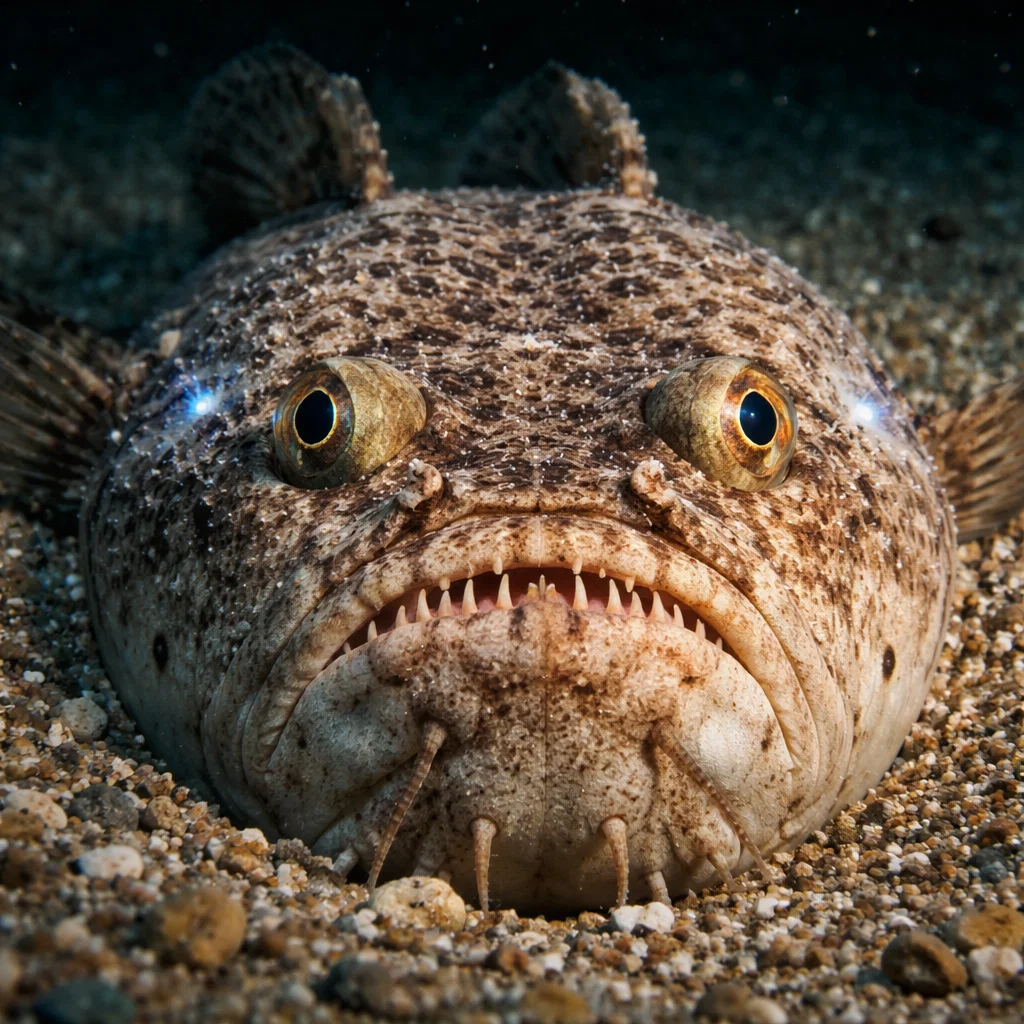
As an Ambush Predator, the stargazer does not engage in active pursuit. Its hunting methodology is divided into three distinct phases: concealment, luring, and the suction strike.
- Concealment: Using its pectoral fins as scoops, the fish creates a depression in the sand and settles into it. It then uses its fins to throw sediment over its body until only the eyes and the top of the mouth are visible.
- Luring: Many species in the Uranoscopus genus possess a “respiratory valve” or a specialized filament on the floor of the mouth. This filament can be extended and manipulated to mimic the movements of a small worm.
- The Strike: When a prey item moves within the “strike zone,” the stargazer opens its mouth with extreme velocity. This creates a pressure differential, resulting in a vacuum that pulls the prey into the mouth. The entire process takes less than 60 milliseconds.
Defensive Mechanisms: Stargazer Fish Spines and Venom
While the mouth is the primary offensive tool, the rear of the head contains the primary defensive tools. Located just above the pectoral fins are the Stargazer fish spines. These are sharp, calcified structures that are directly associated with venom glands.
The Stargazer fish venom is a proteinaceous toxin that is delivered via the hollow grooves in the spines. In a laboratory setting, this venom has shown the ability to cause significant localized cellular damage and intense neurological pain in mammals. Unlike the stonefish, which uses venom primarily as a deterrent against being eaten, the stargazer’s venom serves as a secondary defense for an organism that is often stepped on by larger animals due to its Benthic position. PetNarianPets notes that while the venom is not usually lethal to humans, it requires immediate medical intervention to prevent secondary infections and manage the extreme pain.
The Physiology of an Electric Fish
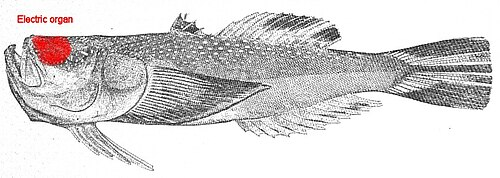
The most distinct physiological feature of the Astroscopus genus is its status as an Electric Fish. Unlike the electric eel, which has electric organs running along most of its body, the stargazer’s electric organs are located behind the eyes in the cranial cavity. These organs are derived from modified extraocular muscles—the same muscles that would typically control eye movement.
The Stargazer fish shock is a high-frequency discharge. While the voltage is relatively low compared to freshwater electric species, peaking at approximately 50 volts, it is highly effective in a saltwater environment. Saltwater is a much better conductor of electricity than freshwater, meaning the 50-volt discharge can travel effectively to stun a nearby predator or a struggling prey item. This bio-electric capability is triggered by the central nervous system during the strike or when the fish perceives a physical threat to its dorsal region.
Environmental Distribution and Benthic Ecology
The Benthic nature of the stargazer means it is intrinsically linked to the health of the sea floor. They are typically found at depths ranging from 5 meters to 400 meters. They prefer areas with high current flow, as these areas tend to be “prey-rich,” bringing a constant stream of smaller fish and crustaceans over their hiding spots.
Their role in the ecosystem is that of a “top-down” regulator of demersal populations. By consuming smaller benthic fish, they help maintain the balance of the substrate-dwelling community. However, their reliance on specific sediment types makes them vulnerable to environmental changes. Bottom trawling is a significant threat to the Star Gazer Fish, as it not only removes the fish as bycatch but also destroys the delicate sandy structures they require for their Camouflage.
Are Stargazer Fish Dangerous?
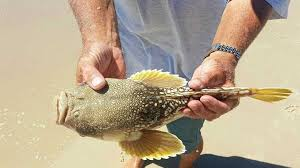
A recurring question in marine safety is: Are stargazer fish dangerous? From a clinical perspective, they are dangerous primarily due to their invisibility. Most human injuries occur when waders or divers accidentally place weight on a buried fish.
The primary risks include:
- Envenomation: The Stargazer fish spines can easily penetrate neoprene booties and human skin.
- Electrical Discharge: The Stargazer fish shock can cause involuntary muscle contractions, which is particularly dangerous for divers as it can lead to panic or rapid ascent.
- Physical Lacerations: The large, powerful jaws can inflict significant bite wounds if the fish is handled improperly.
Regarding the concern of whether Can stargazer fish kill humans, the data suggests that while the injuries are severe and can lead to hospitalization, there are no modern, peer-reviewed records of a direct fatality caused by the venom or shock of a stargazer. The danger is “high-morbidity” (pain and injury) rather than “high-mortality.”
Comparative Biological Analysis
To better understand the Uranoscopidae, it is helpful to compare them to other similar marine predators:
| Feature | Star Gazer Fish | Stonefish | Monkfish |
| Primary Weapon | Venom & Electricity | Neurotoxic Venom | Suction/Lure |
| Movement | Burrows in sand | Sits on rocks/coral | Slow crawl on fins |
| Camouflage | Sediment burial | Mimicry of stones | Mottled skin |
| Danger to Humans | Moderate (Painful) | Extreme (Lethal) | Low (Bite risk) |
This comparison highlights that the stargazer is a “generalist” in terms of weaponry, opting for a combination of tools rather than the extreme specialization in a single toxin seen in the stonefish.
Frequently Asked Questions (FAQ)
Are Stargazer fish dangerous to humans?
Yes, they are considered dangerous due to their ability to inflict Venomous stings and deliver an electric shock. While they are not aggressive and will not hunt humans, their Camouflage makes them easy to step on. The resulting injury involves intense pain and swelling but is rarely life-threatening if treated properly.
Do Stargazers really use electricity?
Yes, certain genera, specifically Astroscopus, are legitimate Electric Fish. They possess organs derived from eye muscles that can generate a Stargazer fish shock of up to 50 volts. This is used as a defensive mechanism to ward off predators and to help incapacitate prey during the strike.
Where do Stargazer fish live?
Star Gazer Fish are Benthic dwellers found in temperate and tropical oceans worldwide. They inhabit the sandy or muddy bottoms of continental shelves. They are common in the Mediterranean, the Atlantic coast of North America, and throughout the Indo-Pacific region.
How do Stargazers hunt?
They are a classic Ambush Predator. They bury themselves in the substrate and use a fleshy lure in their mouth to attract prey. When a fish swims overhead, the stargazer opens its mouth with incredible speed, creating a suction force that pulls the prey into its jaws.
How big do Stargazers get?
The Stargazer fish size varies by species. Most common species are between 18 and 45 cm (7 to 18 inches). However, some larger species in the Indo-Pacific can grow up to 90 cm (35 inches) and weigh several kilograms.
Can you eat Stargazer fish?
Yes, you can eat them. They are considered a delicacy in some cultures and are known for having firm, flavorful meat. However, the Stargazer fish spines and electric organs must be removed during cleaning to ensure the fish is safe to handle and consume.
The Evolutionary Success of the Uranoscopidae
Our Take on the Stargazer Fish!
The Star Gazer Fish is a masterpiece of specialized evolution. By occupying the Benthic interface between the sand and the water column, it has developed a suite of traits—Camouflage, venom, and electricity—that allow it to survive in an environment where many other species would be vulnerable. From the perspective of PetNarianPets, these fish serve as a critical reminder of the ocean’s hidden biodiversity.
While they may pose a painful risk to the unwary traveler, they are essential components of the marine food web. Their ability to remain hidden while watching the “stars” (the surface of the water) is one of the most effective predatory strategies in the natural world. Continued research into the Uranoscopidae will likely yield further insights into the development of bio-electric systems and the complex biochemistry of marine toxins, ensuring that this Ambush Predator remains a subject of scientific fascination for years to come.
Stay wild, stay curious – only on PetNarianPets!
Join The Fun On Instagram, X, Pinterest and YouTube.
Wanna Say Something about animals ? Contact Us.