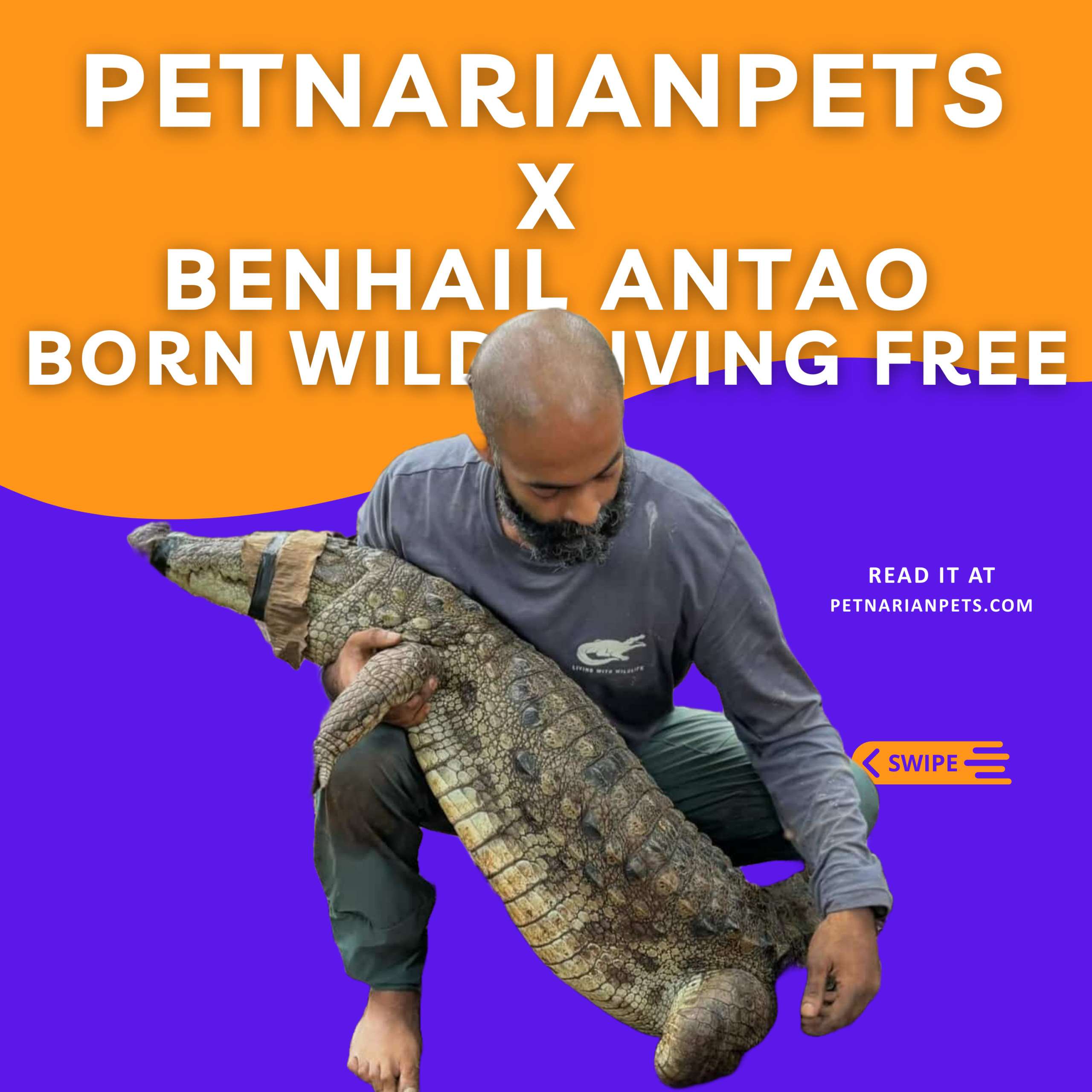
Explore the extraordinary Benhail Antao life in this exclusive feature. From high-precision engineering to National Geographic’s “Snakes SOS,” discover how this collaboration, Benhail Antao X PetNarianPets, is redefining the future of wildlife conservation through education and advocacy.
In the contemporary landscape of global wildlife conservation, few individuals bridge the gap between technical precision and grassroots environmentalism as effectively as Benhail Antao. Based in Panjim, Goa, Antao has emerged as a definitive example of professional dedication, focusing his life-defining role as an Honorary Wildlife Warden for the Forest Department and a premier reptilian rescue authority. His work is a testament to the power of a single individual to shift a regional culture from one of fear to one of informed coexistence.
Table of Contents
This feature marks a significant milestone: the Benhail Antao X PetNarianPets collaboration. At PetNarianPets, our mission has always been to foster a deeper understanding of the animals that share our world.
In Benhail, we find a kindred spirit whose work transcends mere “rescue” and enters the realm of psychological intervention—rescuing people from their own deep-seated perceptions and fears. To understand the impact of Benhail Antao life, one must look beyond the screen of National Geographic and into the philosophy of a man who views freedom as the greatest gift of birth. This article explores his foundational beliefs, his technical background, and his vision for a future where humans and wildlife share the same landscape in peace.
Born Wild and Living Free
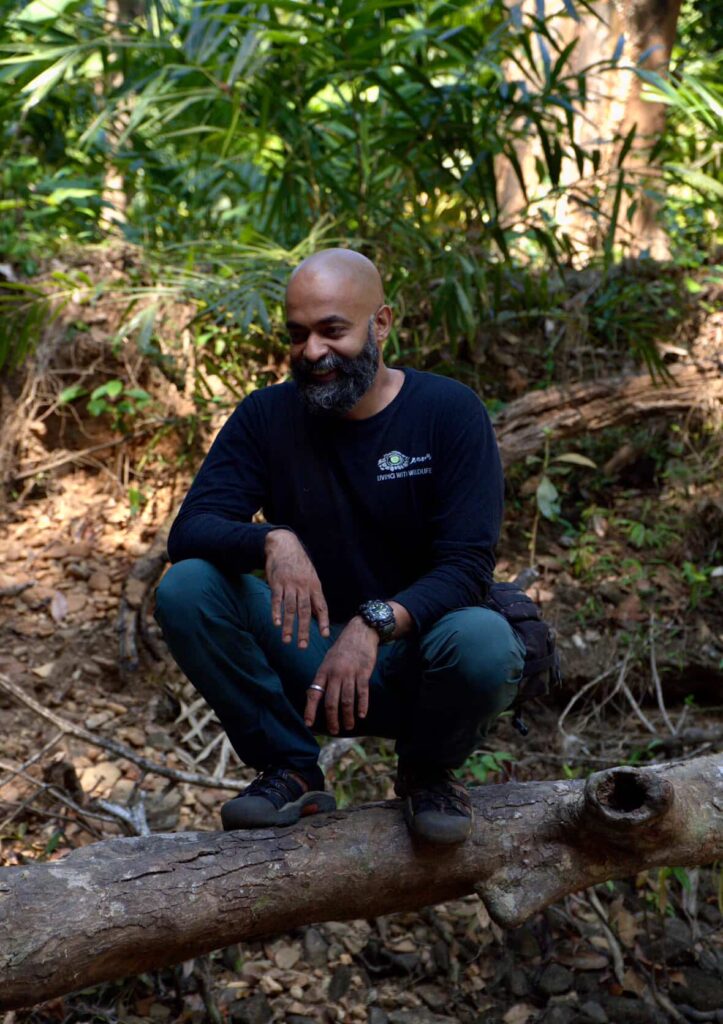
The bedrock of Benhail’s work is encapsulated in his personal motto: “Born Wild ~ Living Free”. This is not a catchy slogan designed for social media; it is a profound ideological stance on the rights of all living beings. In our questions, Benhail shared that he believes every individual is born wild, guided by instinct and the direct teachings of nature.
Deconstructing Civilizational Constraints
He posits a stark contrast between the natural world and the human experience. While humans are often born into the “constraints of civilization, society and dogma,” which act as control mechanisms to strip away individuality, wild animals remain the last bastions of true independence. For Benhail, the heart of rescue is the restoration of this precious freedom.
Our responsibility is not to impose our ideas of what is good for them… but to restore their freedom as quickly as possible,” he explains. This philosophy dictates a “live and let live” approach, where the success of a rescue is measured by how fast an animal can return to its wild state without human interference. This perspective is critical in an era where wildlife is often treated as a spectacle or a nuisance; for Benhail, an animal’s value is inherent and independent of human utility.
The Ethos of Non-Interference
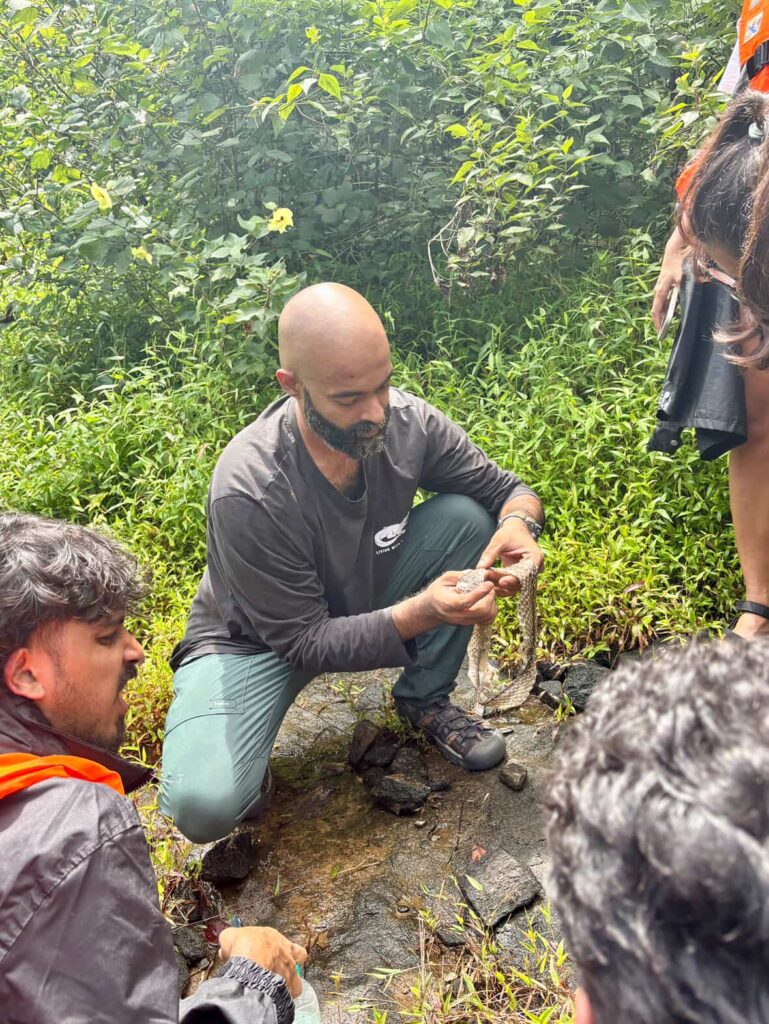
This commitment to freedom necessitates a hands-off approach whenever possible. As part of the Benhail Antao X PetNarianPets vision, we highlight that true stewardship often means choosing not to intervene. In his role as a rescuer, Benhail prioritizes the animal’s psychological state as much as its physical safety. By minimizing the time an animal spends in captivity and avoiding unnecessary relocation, he ensures that the wild essence of the creature is preserved. This “live and let live” ethos is the guiding light for his company, Living With Wildlife, through which he educates the public on how to share space with species they once feared.
The Engineering of an Exotic Life: Precision in the Field
One of the most fascinating aspects of Benhail Antao’s life is his professional background in mechanical engineering. Before he became a prominent figure in wildlife advocacy, he worked as a CNC Machinist for Turbo-Cam, a firm specializing in high-precision components for aerospace and rocket propulsion.
The Technical Framework for Rescue
This foundation in engineering was not a detour; it provided the technical framework for the problem-solving skills required in intricate wildlife interventions. The same precision required to manufacture rocket components is applied to the delicate handling of a venomous snake.
Engineering taught Benhail to analyze systems, anticipate failures, and maintain a high level of discipline under pressure—all skills that are vital when a single mistake can be fatal for both the handler and the animal.
Problem-Solving in the Wild
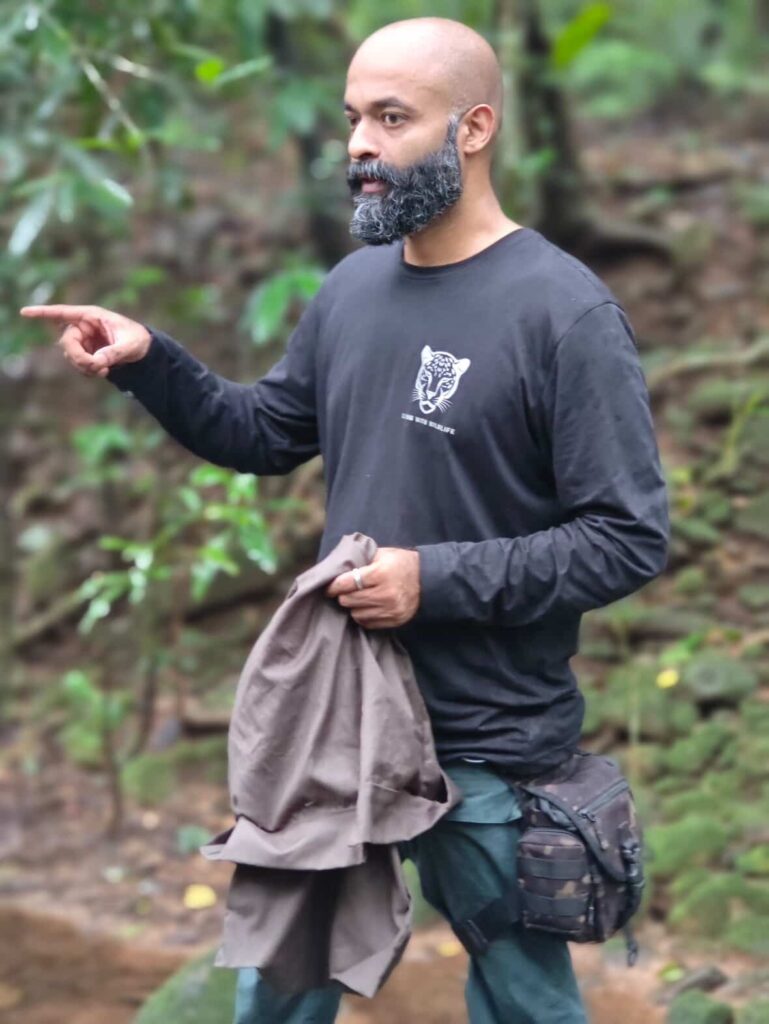
Today, Benhail utilizes this engineering-informed focus to navigate the complexities of wildlife management in Goa. Whether he is designing custom rescue tools or analyzing the mechanical stress on an entangled animal, his background allows him to approach conservation with a level of scientific rigor that is rare in the field.
This technical acuity is why he is a trusted Honorary Wildlife Warden for the Forest Department, capable of managing high-stakes situations that require more than just bravery. They require a calculated, systemic approach to safety and welfare.
The Heart vs. The Mind: Lessons from the Cobra Tar Rescue
When asked about the most emotionally impactful moment of his career, Benhail pointed to a rescue that occurred many years ago involving a spectacled cobra. The snake was found completely immobilized, covered in thick road tar, and barely able to breathe.
At the time, Benhail was at work and lacked his standard rescue kit, making the intervention extremely risky.
A 16-Hour Marathon of Patience
The rescue became a 16-hour marathon of patience and precision. Using his engineering-informed focus, Benhail utilized organic materials like coconut oil and semolina (rawa) to slowly dissolve the tar without damaging the snake’s delicate respiratory functions or eyes.
This required an incredible level of tactile sensitivity, as any excessive force could have torn the cobra’s skin or scales.
The Value of the Individual
During the process, observers questioned why he would risk his life for a single snake, arguing that its death wouldn’t matter in the “bigger picture”.
Benhail’s response defines his ethos as a rescuer: “At that moment, I put myself in the position of the snake. That rescue and that freedom would make all the difference to that one individual”. This incident highlights the internal conflict of the conservationists.
While conservation is often led by the mind—focusing on populations and ecosystems—rescue is led by the heart, focusing on the suffering of the individual. The success of this intervention was a massive victory in the “bigger picture” of that one snake’s life.
Navigating the “Big Four”: Understanding India’s Neighbors
Goa is home to a vast array of biodiversity, including the “Big Four” venomous snakes: the Spectacled Cobra, the Common Krait, Russell’s Viper, and the Saw-scaled Viper.
While this classification is the industry standard in India, Benhail approaches it with a critical eye, noting that other species also demand serious respect.
The Unpredictable Nature of the Krait
After decades of experience, Benhail has developed a profound understanding of snake behavior, which he describes as predictable when approached with knowledge.
However, he reserves the “absolute most caution” for the Common Krait.
Unlike other species, the Krait is notoriously unpredictable. Benhail notes that “you can never be entirely sure what might trigger a bite or when it might happen” with a Krait.
Respect as the Ultimate Safety Protocol
This level of respect for the animal’s nature—acknowledging the unknown—is what has kept him safe throughout thousands of rescues. For the PetNarianPets community, this is a vital lesson: fear is the product of ignorance, but respect is the product of knowledge.
By understanding the specific behaviors and risks associated with each species, Benhail is able to navigate dangerous encounters with a calm authority that prevents accidents and promotes the welfare of the snake.
The Media Ecosystem: National Geographic and Global Impact
The global visibility of Benhail Antao is largely due to his role as the host of National Geographic’s “Snakes SOS: Goa’s Wildest”. Produced by Riverbank Studios and Mike Pandey, the series has aired four seasons as of 2024.
The show is widely praised for its “drama-free” approach, choosing to focus on technical and ethical handling rather than the sensationalism often found in wildlife television.
Transforming Public Perception Through “Snakes SOS”
The impact of the show on his ground-level work has been transformative. Before the series, Benhail was often forced to relocate fifteen to twenty snakes a day because of residents’ fear. Today, that number has plummeted to just three or four relocations per month.
The show has successfully educated the public to the point where many rescue calls are now handled over the phone.
The Success of Coexistence
By simply explaining the behavior of the snake—such as the “AC Unit Rescue” where multiple males were pursuing a female—Benhail can convince callers to let the animal stay and coexist.
This shift from “removal” to “understanding” is the ultimate goal of the Benhail Antao X PetNarianPets collaboration. When people see Benhail handling these creatures with calm respect on their screens, it empowers them to react with similar composure in their own homes.
The Socio-Ecological Landscape: Deconstructing Ophiophobia
The central tenet of Benhail’s mission is the deconstruction of ophiophobia—the irrational fear of snakes. He argues that human-snake conflict is not the result of “aggressive” animals but a fundamental misunderstanding of biological intent.
Linguistic Reframing and Empathy
A cornerstone of his strategy is linguistic reframing: replacing sensationalist terms like “attack” with accurate descriptions like “defensive” or “scared”. By explaining that a snake’s strike is a last-resort defensive mechanism, Benhail fosters empathy among the public. This is crucial for the survival of the species in urbanizing areas like Goa.
Systemic Safety Through Knowledge (H3)
His role as an Honorary Wildlife Warden allows him to implement this empathy on a systemic level. By working within the Forest Department, he helps coordinate responses that ensure both humans and animals remain safe during encounters.
This professional framework turns individual rescues into a statewide effort for conservation. For Benhail, the “only hope we have” is to replace our primal fear with scientific curiosity.
The One Health Concept: Why Wildlife Protection is Human Protection
As urban areas expand, human-wildlife conflict inevitably increases. In his discussion with PetNarianPets, Benhail expressed a “sad and truly heartbreaking” reality: humans must “take their foot off the greed pedal” if we are to survive.
Inextricable Links to Human Health
He is a strong advocate for the “One Health” concept—a global recognition that human health is inextricably linked to the health of forests and wildlife. “Even if you care for nothing else but yourself, that is precisely the reason you should care for everything wild around you,” Benhail asserts.
The Collapse of the Ecological Balance
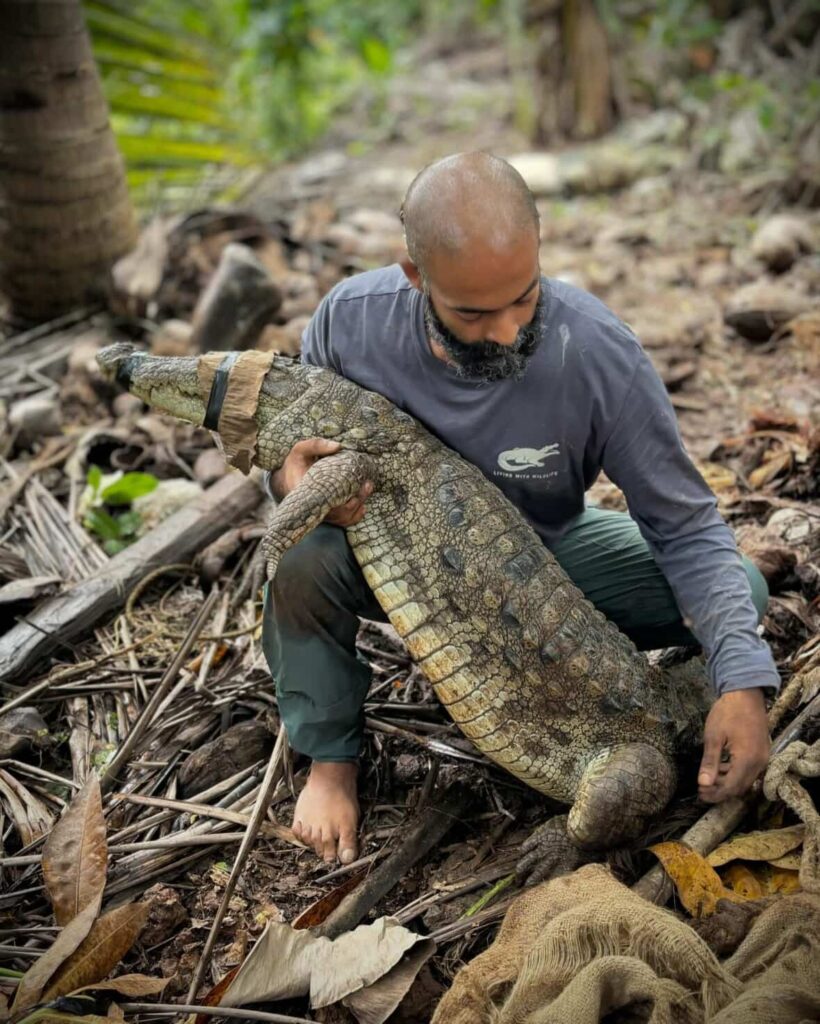
Without healthy apex predators like snakes, leopards, and crocodiles to maintain ecological balance, the entire system—including the one humans rely on for health—begins to collapse. His message is clear: our survival depends on our ability to coexist with the animals we currently fear.
This holistic view of the environment is what makes Benhail Antao life so impactful; he isn’t just saving snakes; he is protecting the very foundation of our own well-being.
Living With Wildlife: Educational Advocacy and Outreach
Beyond the reactive nature of emergency rescues, Benhail focuses his energy on proactive education. Through his company, Living With Wildlife, he conducts camps, workshops, tours, and forest walks designed to expose people to the wild world they have lost touch with.
Training the Next Generation
Under the banner of Living With Wildlife, Benhail transforms the forest into a classroom. These experiential educational tools allow participants to see the “drama-free” side of the environment.
He also works with academic institutions like St. Xavier’s College to train the next generation of scientific researchers in herpetology and ethical handling. For Benhail, knowledge is the only antidote to fear.
Forest Walks and Workshops
His forest walks are not just tours; they are lessons in observation and respect. By showing people the beauty of a snake in its natural habitat, or explaining the role of a specific insect in the ecosystem,
He builds a community of informed stewards. This proactive work is the core of his association with the Forest Department, ensuring that the public becomes an ally in conservation rather than an obstacle.
Challenges in the Field: Net Fencing and Poaching
Despite his successes, Benhail faces significant structural challenges in the Goan landscape. He identifies plastic net fencing as a “silent killer” of Goan wildlife. These nets are inexpensive for residents to install but frequently entangle and kill snakes, birds, and small mammals that go unnoticed until it is too late.
The Disruption of the Food Chain
Another major concern is the illegal poaching of frogs during the monsoon. The loss of this key prey species disrupts the food chain, forcing snakes to seek food in human settlements, thereby increasing conflict. Benhail notes that a lack of legal convictions for such poaching hampers long-term conservation efforts.
The Need for Policy Advocacy
Addressing these systemic issues requires a combination of policy advocacy and the continued public education he provides. As an Honorary Wildlife Warden, he is in a unique position to influence how these challenges are addressed at a governmental level.
By highlighting the hidden dangers of net fencing and the ecological cost of poaching, he is working to create a safer environment for all of Goa’s wild inhabitants.
Expanding the Narrative: The Future of Conservation
As we look toward the future of Benhail Antao life, we see a shift toward more comprehensive field research and data-driven stewardship. His focus continues to be on the integration of traditional field skills with modern monitoring solutions.
Contributing to Scientific Knowledge
By better understanding the reproductive biology and neonatal care of species—like the 47 young vipers born from a rescued Russell’s viper in 2024—Benhail continues to contribute vital data to the scientific community.
This information is essential for developing effective conservation strategies that protect species throughout their entire life cycle.
A Beacon of Hope
Benhail’s work with the Forest Department and Living With Wildlife ensures that this knowledge is not kept in a lab but shared with the people who live alongside these animals every day. He remains a beacon of hope for a world where humans and wildlife can once again be “Born Wild and Living Free”.
The Benhail Antao X PetNarianPets Legacy
This collaboration with Benhail Antao has reinforced a simple yet powerful truth: the survival of our wild neighbors depends on a transformation of the human-nature relationship.
Benhail has demonstrated that professional success and environmental advocacy are not mutually exclusive.
By merging the technical rigor of engineering with the reach of global media and the authority of the Forest Department, he has created a self-sustaining ecosystem of advocacy. At PetNarianPets, we are honored to share this deep dive into his world.
Whether he is rescuing a cobra from a pool of tar or leading a workshop through the forests of Goa, Benhail operates with a heart led by empathy and a mind led by science.
As Benhail himself says, “Live and let live. That, in my opinion, is the only hope we have”.
We invite our community to join us in supporting his mission, learning from his expertise, and becoming active stewards of the extraordinary wild world we all share.
Stay wild, stay curious – only on PetNarianPets!
Join The Fun On Instagram, X, Pinterest and YouTube.
Wanna Say Something about animals ? Contact Us.