Meta Description: Discover the ultimate guide to the Electric eel, also known as Electrophorus. Learn about the record-breaking Electric eel voltage, the science of the leaping attack,
Whether they are truly dangerous to humans. Explore PetNarianPets insights on pricing, care, and why these “living batteries” aren’t actually eels.
Table of Contents
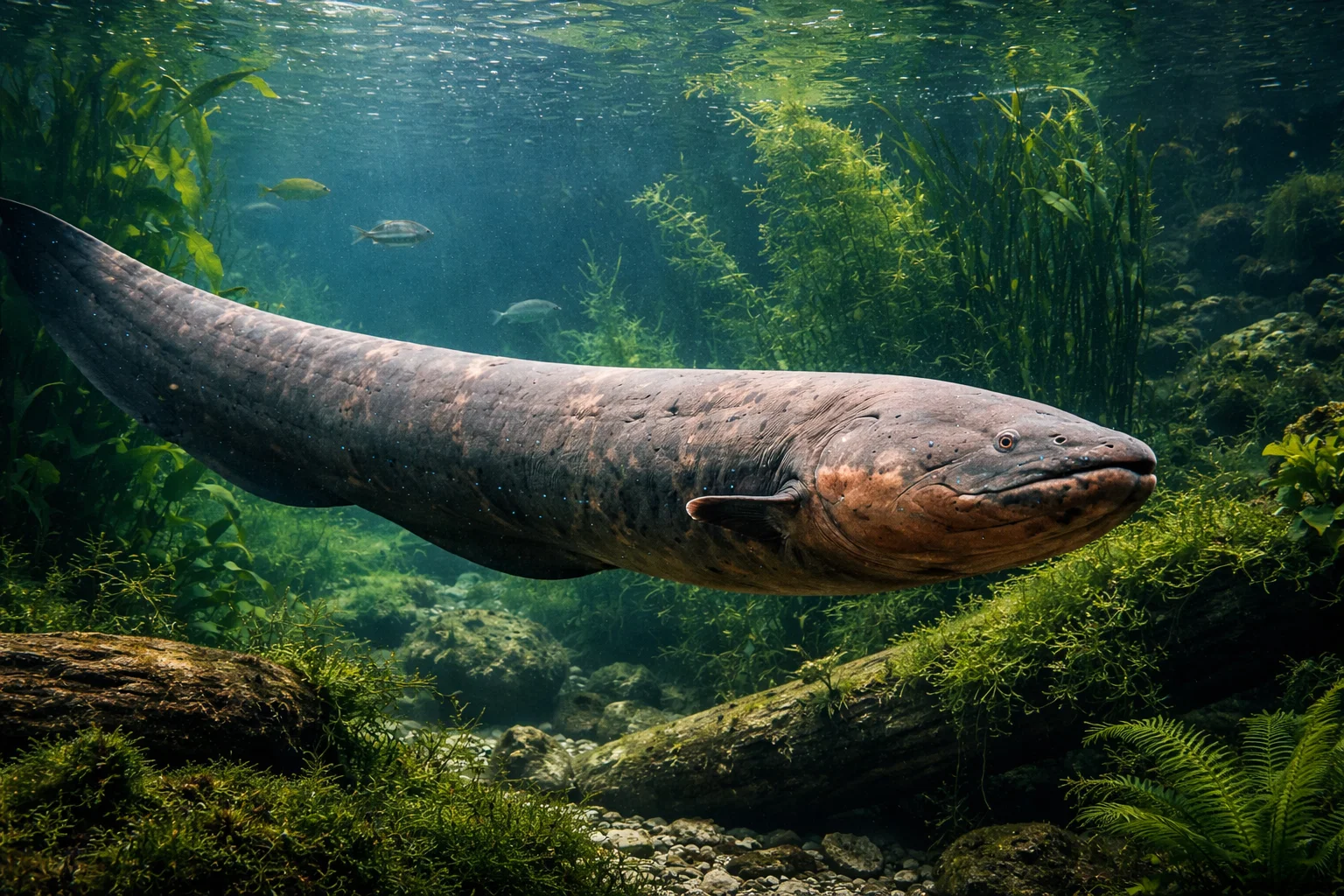
In the murky, tea-colored waters of the Amazon and Orinoco basins, a creature exists that has fascinated scientists for over 250 years. Known colloquially as the Electric eel, this animal is not a simple fish but a biological powerhouse capable of generating enough electricity to stun a horse or power several lightbulbs.
Since the dawn of biological study, when naturalists like Carl Linnaeus first attempted to classify it, the genus Electrophorus has challenged our understanding of physiology and evolution.
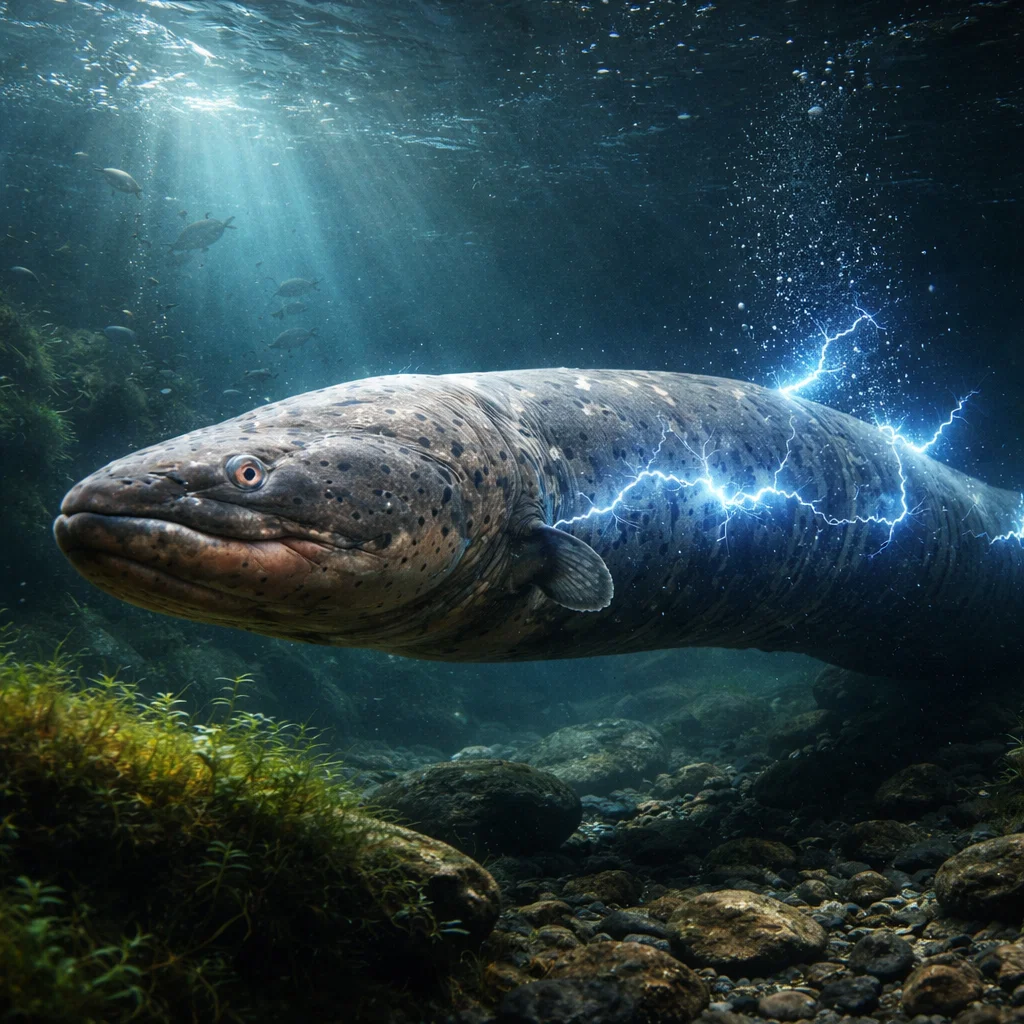
Today, we know that these creatures are far more complex than a single species of shocking fish. Recent breakthroughs in genomics and field research have revealed a world of social hunting, massive voltage records, and a specialized defense mechanism known as the “leaping strike”.
For enthusiasts following the PetNarianPets community, understanding the nuances of these animals, from their Electric eel scientific name to the practicalities of the Electric Eel price—is essential for respecting the power of the South American waterways.
Taxonomy and the Evolution of the Electrophorus Genus
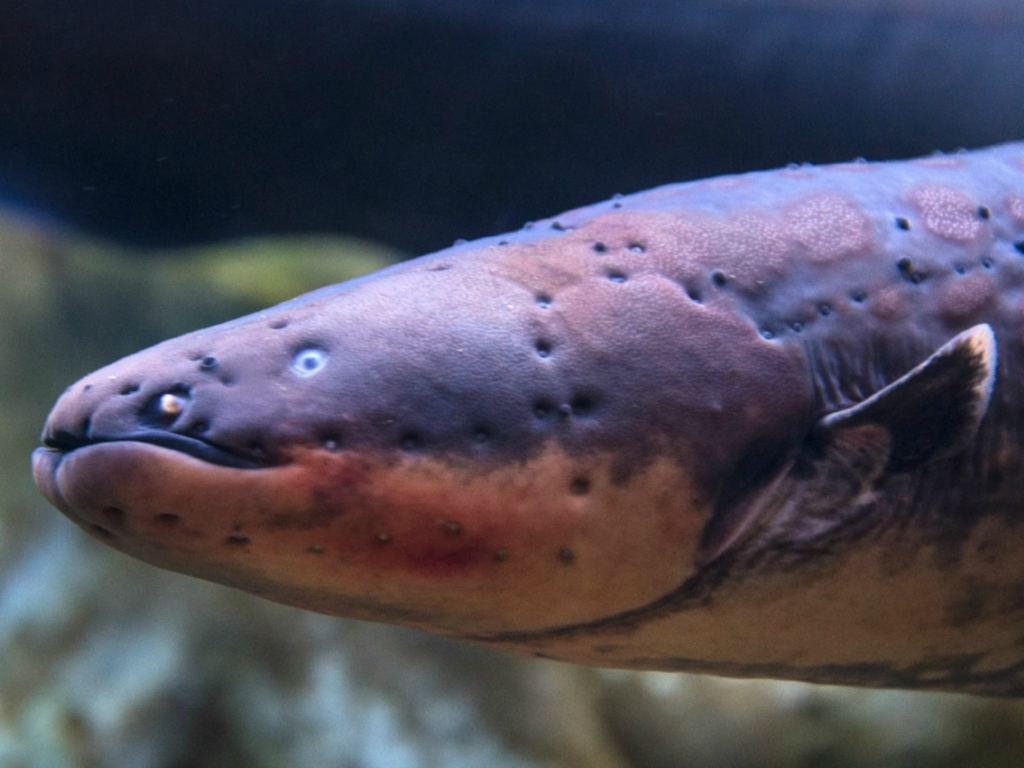
Above media credits: Electric Eel | National Geographic Kids
One of the most persistent myths in zoology is contained within the name itself. Are electric eels actually eels? The answer is a definitive no. While their elongated, serpentine bodies mimic the appearance of true eels (order Anguilliformes),
They are actually a highly specialized type of knifefish belonging to the order Gymnotiformes. They share closer genetic ties to catfishes and characins (like piranhas) than to the eels found in the Atlantic or Pacific oceans.
The Electric eel scientific name has undergone significant revision in recent years. For over two centuries, it was believed that the genus was monotypic, consisting only of Electrophorus electricus. However, a landmark study in 2019 led by C. David de Santana utilized mitochondrial and nuclear DNA sequencing to prove that the genus actually comprises three distinct species:
- Electrophorus electricus: The original species, primarily found in the highland waters of the Guiana Shield.
- Electrophorus voltai: Named after Alessandro Volta, this species holds the global record for the highest Electric eel voltage ever recorded.
- Electrophorus varii: A species adapted to the lowland floodplains where water conductivity is much higher.
This divergence began approximately 7.1 million years ago as the uplifting of the Andes Mountains restructured the river systems of South America. Each species evolved to thrive in specific water chemistry, with E. voltai developing a more powerful shock to overcome the low conductivity of highland “clear waters”.
The Physiological Blueprint of a Living Battery
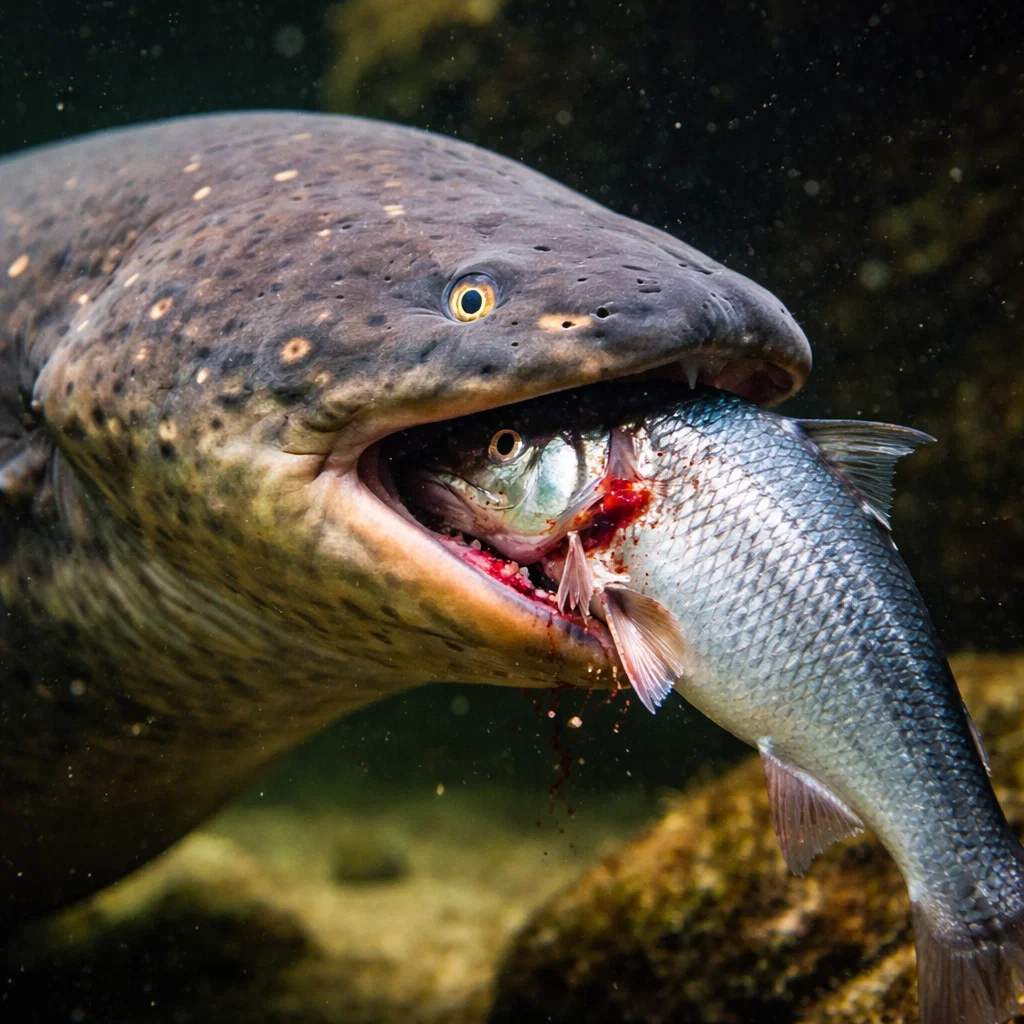
The physical structure of these animals is an evolutionary masterpiece of displacement. To accommodate the massive organs required to generate their signature shock, nearly 80% to 90% of the body is dedicated to electricity production. This leaves very little room for vital organs.
Internal Organ Displacement
Because the electric organs run nearly the entire length of the body, the brain, heart, liver, and stomach are all densely packed directly behind the head. This unique layout results in the anus being positioned remarkably far forward, near what would be the “neck” region of the fish.
Suckermouth Feeding and Lack of Teeth
Another surprising fact is the state of Electric eel teeth. Despite being apex predators, they have no upper-jaw teeth and cannot chew their food. Instead, they rely on a “shock and vacuum” strategy. Once a prey item is paralyzed by electricity, the eel uses a powerful suction mechanism to pull the motionless target directly into its mouth.
Electric Eel Size and Camouflage
In terms of scale, the Electric eel size is imposing. Adults can grow to lengths of 2 to 2.5 meters (up to 8 feet) and weigh up to 22 kilograms (nearly 50 pounds). Their skin is thick, scaleless, and typically dark grey-brown or black to provide camouflage in the turbid river bottoms. Some species, particularly E. voltai, display a bright orange or yellow underbelly.
Decoding the Physics of Bio-Voltage
The question most people ask is: How much electricity can they produce? The answer depends on the species and the environment. The bioelectric capacity is facilitated by three pairs of abdominal organs: the Main organ, Hunter’s organ, and Sach’s organ.
| Organ Type | Primary Function |
| Main Organ | High-voltage discharges for stunning prey and defense. |
| Hunter’s Organ | High-voltage pulses (anterior portion) and low-voltage navigation. |
| Sach’s Organ | Continuous low-voltage “radar” (approx. 10 volts) for communication. |
The Mechanics of the Shock
These organs are comprised of approximately 6,000 specialized cells called electrocytes. These modified muscle cells function like biological batteries, maintaining a resting potential through the transport of sodium and potassium ions. When the nervous system triggers a strike, the cells fire in series, summating their voltage.
In E. voltai, the Electric eel voltage can reach a staggering 860 volts. This is nearly four times the voltage of a standard European power outlet and significantly higher than the 600-650 volts typically attributed to the genus in older literature.
Biophysics: How the Predator Stays Safe from Its Own Jolt
One of the most profound questions in marine biology is: Why don’t they shock themselves? While researchers are still investigating the exact mechanics, several key factors prevent self-electrocution:
- Internal Insulation: The eel’s body contains thick layers of insulating fat and skin that act as a dielectric barrier, protecting internal organs from the high-voltage pulses.
- Faraday Cage Effect: Some hypothesize that the conductive mucus on the skin creates a “Faraday cage,” allowing the current to flow over the surface of the body rather than through vital tissues.
- Anatomical Placement: The brain and heart are located at the positive (anterior) end of the body, as far as possible from the negative pole at the tail.
- Pulse Duration: The discharges are extremely short—lasting only about 2 milliseconds—which prevents the buildup of heat or sustained muscular damage within the eel’s own body.
Tactical Dominance: The Leaping Strike and Group Dynamics
The Electric eel attack is not limited to passive discharges in the water. For centuries, a legend persisted that eels would leap out of the water to attack large mammals. This was first described by Alexander von Humboldt in 1800, who recounted a “battle with horses” where eels leaped out to press their chins against the horses’ bodies.
The Science of the Leaping Attack
What is a “leaping” attack? Modern research has confirmed Humboldt’s observations. When a predator or threat is partially submerged, the eel will lunge out of the water to make direct contact.
This creates a “current divider” effect; because the electrical resistance of the air is higher than that of the water, leaping higher forces a greater percentage of the current to flow directly through the predator’s body rather than dissipating into the surrounding river.
Are They Aggressive?
Generally, they are solitary and nocturnal, spending their days resting in the mud. However, they can be highly territorial and aggressive during the dry season, particularly males who are guarding “foam nests” made of their own saliva.
Recent studies have also shattered the image of the solitary hunter. In certain species like E. voltai, groups of over 100 individuals have been observed coordinating attacks on shoals of small fish, herding them into “prey balls” before launching simultaneous high-voltage strikes.
Human Interactions: Myths, Dangers, and Safety Protocols
Can an electric eel kill a human? The answer is yes, but death is rarely caused by the electricity itself. A single shock from an adult eel is generally not enough to stop the heart of a healthy adult human directly. Instead, the danger comes from secondary effects:
- Drowning Risk: A high-voltage shock causes immediate muscular paralysis or tetanus. If a person is in the water, they may fall face-down and drown before they can regain control of their muscles.
- Cardiac and Respiratory Failure: Successive shocks can lead to heart arrhythmia or stop breathing altogether.
- Secondary Injuries: The intense muscle contractions can cause rhabdomyolysis—the breakdown of muscle tissue—which releases proteins into the bloodstream that can cause kidney damage.
Touching an adult specimen without heavy rubber insulation is extremely dangerous. Even when not attacking, they emit a constant 10-volt pulse that feels like a numbing jolt.
The Global Market and Conservation Status
For specialized aquarists in the petnarianpets community, these animals are a peak “trophy” species, but they are not for beginners. Ownership is heavily regulated, with many regions (such as California and Hawaii) banning them entirely due to the risk of them becoming invasive or the danger they pose to owners.
Electric Eel Price and Availability
The cost of an Electrophorus specimen varies significantly based on size and species.
- Juveniles (3 inches): Often start around $49.99 to $59.99, though they are rare at this size.
- Sub-adults (4-6 inches): Can range from $99.99 to $150.00.
- Adults: Large specimens are rarely sold but can command prices in the hundreds or thousands of dollars depending on the species.
Conservation Status
Currently, all three species are listed as “Least Concern” by the IUCN. They remain abundant throughout their range, though they face localized threats from habitat fragmentation caused by dam construction and water pollution from illegal mining.
A Collection of Bio-Electric Trivia
To truly appreciate these animals, one must look at the smaller, stranger details of their existence:
- Air Breathers: They are obligate air-breathers and must surface every 10 to 15 minutes to gulp air; their mouths are lined with vascularized folds that act as a lung.
- The “Doublet” Pulse: They use a specific pair of high-voltage pulses to force hidden prey to twitch involuntarily, creating ripples that the eel can detect.
- Parental Care: Male eels are dedicated fathers, guarding the foam nest aggressively until the rainy season begins.
- Navigation: They are essentially blind but use their low-voltage Sach’s organ like a sophisticated underwater radar to navigate in total darkness.
Our Take on the Electric eel!
The Electric eel is a testament to the wonders of evolutionary adaptation. From its 860-volt record to its transition from a “solitary” predator to a social hunter, the genus Electrophorus continues to surprise the scientific world.
Whether you are a researcher studying the Electric eel voltage or an aquarist exploring the PetNarianPets guidelines, one thing remains clear: this is an animal that demands both respect and wonder.
As we move forward into a future of bio-inspired technology, the lessons we learn from these living batteries may one day power the world of tomorrow.
Stay wild, stay curious – only on PetNarianPets!
Join The Fun On Instagram, X, Pinterest and YouTube.
Wanna Say Something about animals ? Contact Us.