In the rapidly evolving world of digital content creation, few voices resonate with as much authenticity and cultural depth as Hunter & Emily Hancock. Based on the iconic North Shore of Oahu, Hawaii, the Hancocks have cultivated more than just a garden; they have built a community centered on the Hawaiian concept of “Hale”. Their platform, Hancock Hale, serves as a sophisticated intersection of land stewardship, culinary tradition, and digital education. At PetNarianPets, we believe that the most powerful advocacy for the planet begins at home. This realization is what makes the Hunter & Emily Hancock X PetNarianPets collaboration so vital.
Table of Contents
This feature is not merely a profile; it is a shared mission. As a public figure in the homesteading space, Hunter and Emily represent a new generation of “stewards” who blend ancestral agricultural wisdom with the logistical capabilities of the twenty-first-century creator economy. While many see the North Shore as a playground for surfing and tourism, the Hancocks see it as a “family compound” where food security and environmental responsibility are daily practices. In this collaborative article, we dive deep into the philosophy of “Hale,” the practicalities of island self-sufficiency, and the enduring bond between humans and the animals that make a homestead a home.
The Cultural Genesis of the Hancock Hale Mission
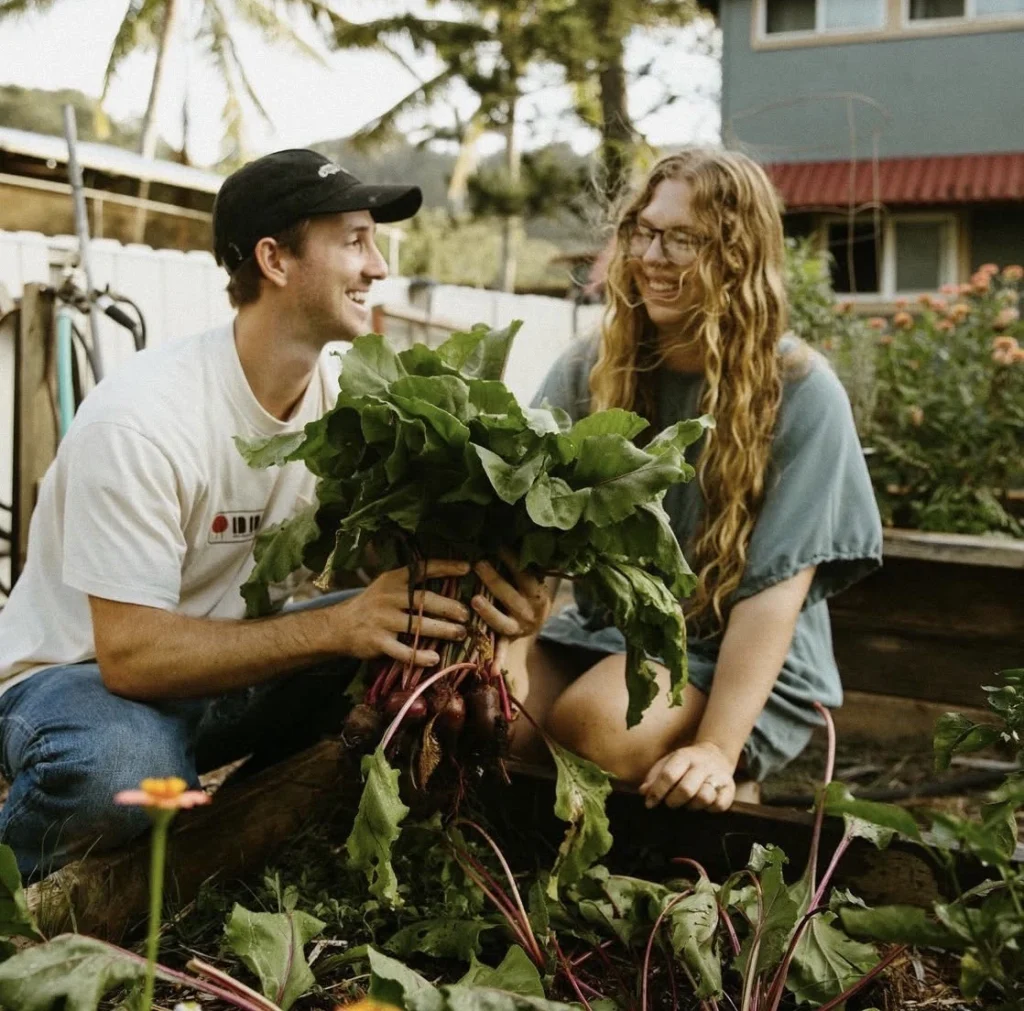
To understand the impact of Hunter & Emily Hancock, one must first understand their history. Unlike many who move to Hawaii to chase a lifestyle dream, the Hancock family legacy on Oahu is characterized by a three-generation tenure. Having established residency in 1969, the family is deeply embedded in the generational fabric of the North Shore.
Growing Up in Nature’s Classroom
Hunter Hancock was born and raised in this specific micro-climate, which fostered a natural affinity for the island’s roots. Growing up, nature wasn’t a destination; it was a way of life—spent at the beach, hiking in the mountains, and observing his parents’ backyard garden. This upbringing provided a foundation of ecological literacy that many modern homesteaders have to learn from scratch. However, it wasn’t until his twenties, after meeting Emily, that the desire to transition from passive observation to active homesteading truly took hold.
The Shift from Maintenance to Production
The decision to start Hancock Hale was born from a realization of missed opportunity. Hunter and Emily found themselves living in one of the most expensive places in the world, yet they were spending their time “cutting grass, pruning palm trees,” and buying groceries instead of
utilizing the fertile space around them. They grew tired of the “normal” lifestyle and decided to take on projects one by one. This shift from aesthetic yard maintenance to productive land utilization is the core of their digital pedagogy: they want to show others that you don’t need to start with everything—you just need to start with “a space here and there”.
Defining “Hale”: The Philosophy of Home
A central pillar of the Hunter & Emily Hancock X PetNarianPets collaboration is the word “Hale.” For those unfamiliar with the Hawaiian language, “Hale” basically means “home”. However, for Hunter and Emily, it is more than a translation; it is a resonance.
Creating a Global Home
They chose this name for their brand because they wanted their platforms—from YouTube to Instagram—to feel like a home where people can feel welcome and safe. Their goal is to create a space that encourages others to grow and learn alongside them. In the context of homesteading, “Hale” represents the sanctuary where food is grown, animals are cared for, and traditions are preserved. It is a philosophy that views the land not as a resource to be exploited, but as a family member to be nurtured.
Inclusion and Community Growth
The Hancocks emphasize that their brand is about “growing together”. This sense of community is vital in the digital age, where social-ecological stewardship can sometimes feel isolating. By naming their mission Hancock Hale, they are inviting the world into their parents’ backyard—a “family compound” setting—to prove that self-sufficiency is possible even in non-traditional, multi-generational living situations.
The Daily Rhythms of Island Homesteading
Life for Hunter & Emily Hancock is a disciplined dance between the demands of the land and the requirements of digital storytelling. Their daily routine is structured around the needs of their animals and the rhythm of the sun.
The Discipline of Constant Motion
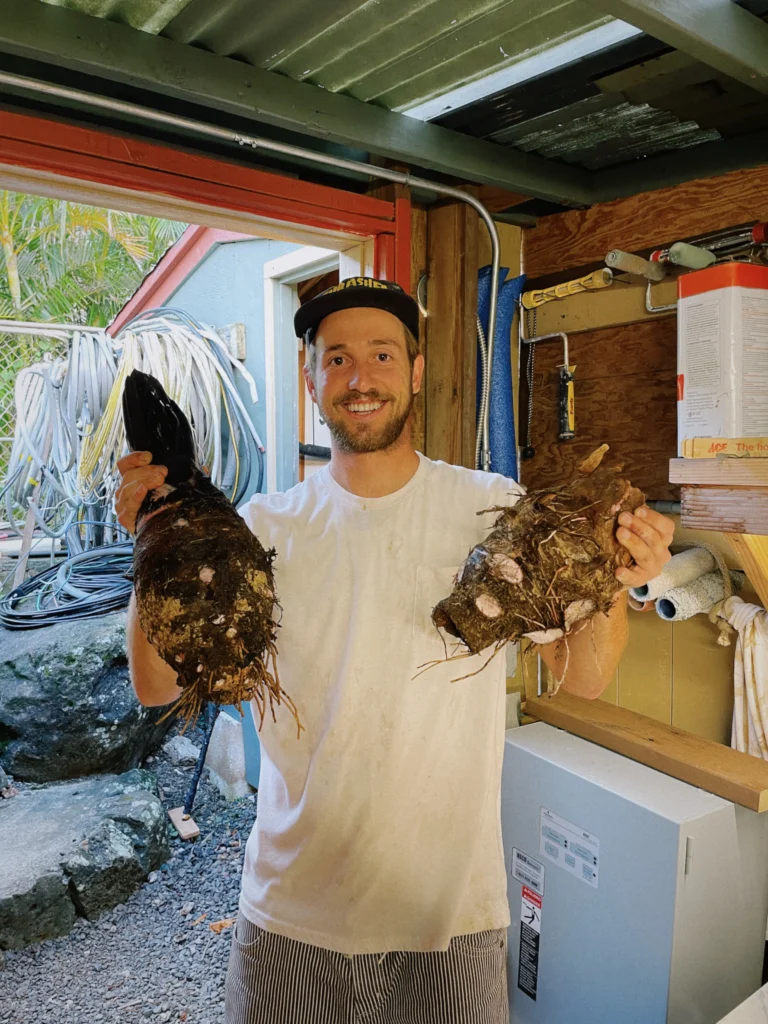
Every morning begins at sunrise followed by a walk through the garden to check on “everyone,” by which Hunter means both the plants and the smaller inhabitants of the homestead.
After the morning chores, Hunter heads to his 9-to-5 job, while the homesteading work continues in the periphery. Upon returning, the evening is spent back in the garden, planting, harvesting, or building infrastructure until the sun goes down. This “after-hours” commitment is a common reality for many in the homesteading movement who balance traditional employment with land management. It requires a level of stamina and passion that Hunter and Emily share with their audience to prove that you don’t need to quit your job to start growing your own food.
Animal Integration: The Heart of the Ecosystem
At PetNarianPets, we are particularly interested in the role animals play in a sustainable ecosystem. For Hunter and Emily, animals are not just pets or food sources; they are “fellow workers” on the land.
One of the most beloved figures on the Hancock homestead is a chickens named Merryweather and HeyHey. They have been the part of the family for over 5 years tho both of them don’t provide eggs but they surely provide joy to the property
Beekeeping and Island Biodiversity
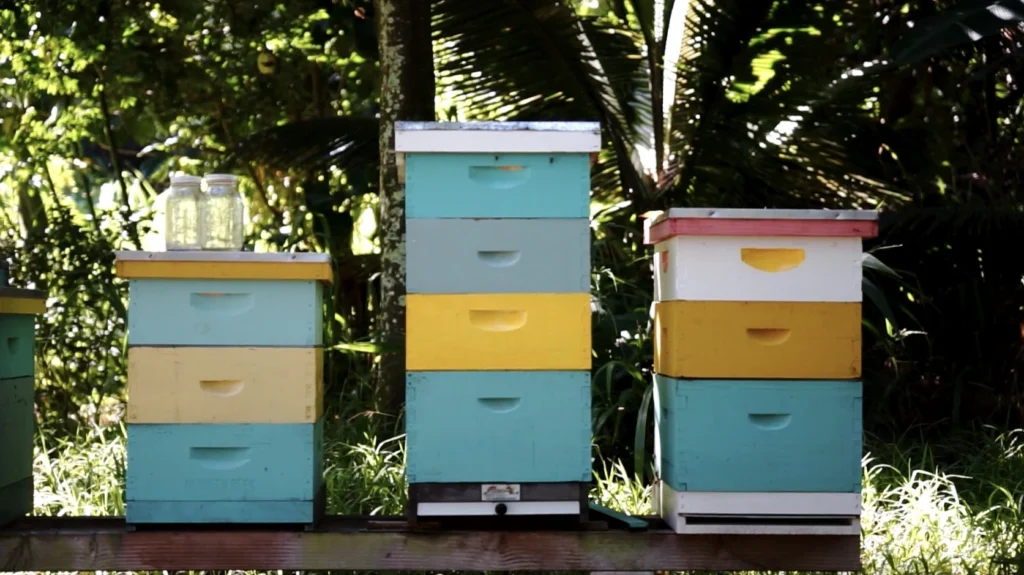
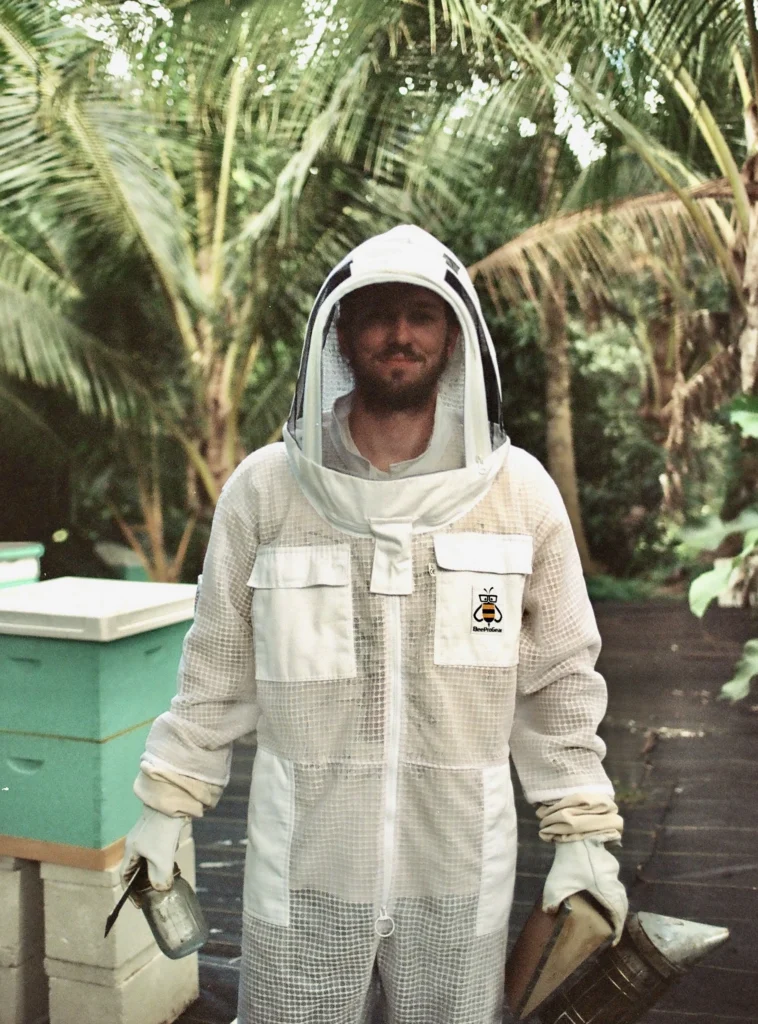
Perhaps the most technical aspect of their animal work is beekeeping. Hunter completed a 2 year program under a company called Hanai Hives to become a Master Beekeeper. Under the mentorship of Katie Metzger and has been bee keeping for 5 years, Bees are essential to the Hawaiian ecosystem, particularly on the North Shore, where they pollinate both native flora and the food crops that the Hancocks rely on. Managing an apiary in a tropical environment presents unique challenges, such as protecting the hives from storms and managing tropical pests. However, for the Hancocks, the presence of bees is a non-negotiable part of a healthy “Hale”.
Strategic Frugality and Sustainable Soil Building
Hawaii is often cited as the second most expensive place in the world for groceries, and in the top 10 for housing and cost of living. For Hunter & Emily Hancock, homesteading is not just a hobby; it is a financial necessity and a strategic response to regional food insecurity.
Turning Waste into Gold
To manage costs, the Hancocks have become masters of “frugal fertility“. They build their soil almost entirely from free, locally sourced materials. This includes:
● Manure collected from friends on local ranches or those with horses who need to dispose of it.
● Mushroom substrate from a local grower who is happy to have his storage space cleared.
● Banana plants (keiki) and green grass clippings from their own lawn.
By layering these materials, they create a nutrient-rich environment that would otherwise cost thousands of dollars in soil and compost, along with a larger need for fertilizers.
The High-Cost/High-Reward Calculus
Hunter notes that while they did spend $80 on 6 inches of compost to jumpstart a project, he knows he could make it for free if he had more time. This transparency about the trade-offs between time and money is a hallmark of their collaboration with PetNarianPets. They empower their followers to see the “waste” around them—like grass clippings or manure—as the foundational assets of a productive homestead.
Digital Pedagogy: Teaching the World to Grow
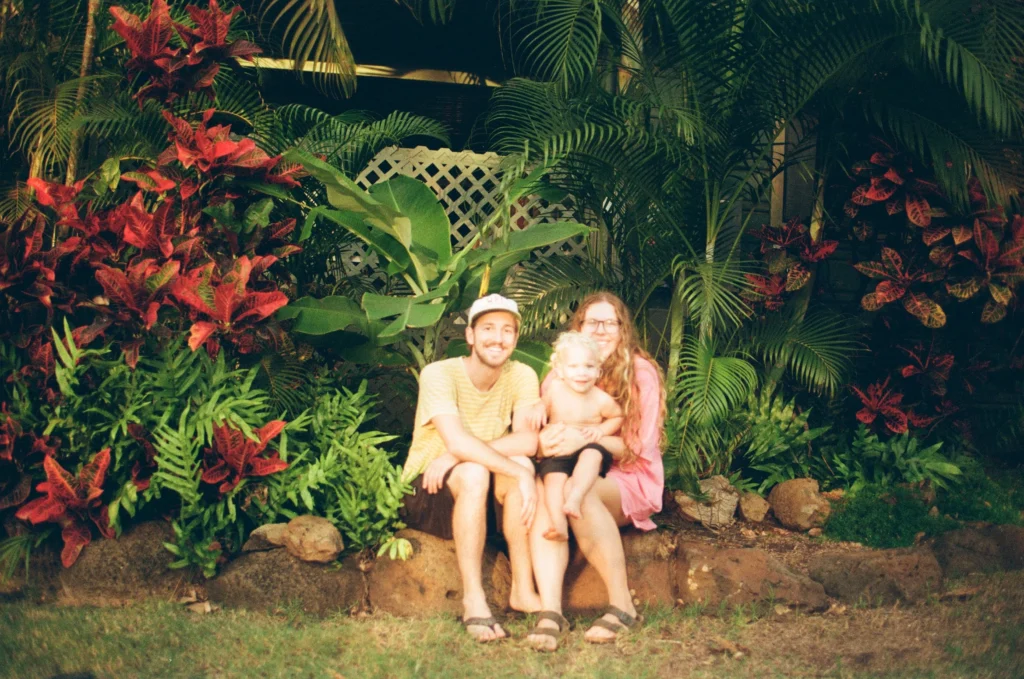
The “digital” aspect of Hancock Hale is just as important as the physical land. Hunter and Emily are part of a profound shift in social structures, where ancestral wisdom is disseminated through twenty-first-century tools.
Encouraging the “Small Space” Movement
A key message from the Hancocks is that you don’t need a hundred acres to be a homesteader. Currently, they are practicing their craft in a parents’ backyard, demonstrating how much food can be grown in small, utilized spaces. By documenting their successes and—crucially—their failures, they provide a “repeatable roadmap” for urban and suburban dwellers who feel disqualified from the homesteading movement.
Social Media as a Tool for Food Security
Through their YouTube channel and Social Blog/Instagram, the Hancocks address the logistical realities of island living. They aren’t just showing “aesthetic” farm life; they are providing “digital pedagogy” that helps others navigate the specific challenges of their own micro-climates. This educational focus is why the Hunter & Emily Hancock X PetNarianPets collaboration is so impactful—it turns viewers into active participants in their own food systems.
Navigating Challenges: Pests, Climate, and Constraints
No homestead is without its struggles, and the Hancocks are remarkably open about the “threats” that accompany the “beauty” of Hawaii.
The Battle Against Tropical Pests
One of the greatest challenges they face is the sheer density of pests in a tropical environment. In Hawaii, there is no winter “kill-off” for bugs, meaning pests like the Coconut Rhinoceros Beetle and various fruit flies are a constant year-round pressure. Hunter admits that learning what worked and what didn’t was a slow process of trial and error. They have learned to choose crops that are naturally resilient to these threats, moving toward “staple crops” that make sense for their specific environment.
The Constraint of Time
Perhaps the most relatable challenge is the constraint of time. Balancing a full-time job, family life, and a homestead means that projects often move slower than they would like. Hunter mentions that they would love to make all their own compost and grow all their own food, but currently, they “feel very lucky and blessed” just to be doing what they are in the space they have. This humility is a core part of their brand—they are not “experts” looking down; they are “learners” looking around.
Future Horizons: From Backyard to Mainland
While Hancock Hale is currently rooted in the North Shore, Hunter & Emily Hancock have ambitious plans for the future that extend beyond the island’s shores.
The One-Week Challenge
By the end of this year, Hunter hopes to have enough food planted in succession to attempt a “one-week challenge”—eating only what they grow on their homestead. He identifies that he still needs to get about 20-30 more “staple crops” in the ground to make this a reality. This project is not just a personal test but a learning experience to see where their growing system is resilient and where it needs to change.
Mainland Expansion and Meat Chickens
Looking further ahead, the Hancocks are scouting for spots on the mainland where they can begin their own independent project on their own land. They hope to take everything they have learned in their parents’ backyard—from beekeeping to frugal soil building—and scale it up. Additionally, they are working out the numbers to begin raising meat chickens, a move that would represent a significant step toward total food self-sufficiency.
The Hunter & Emily Hancock X PetNarianPets Vision
The collaboration between Hunter & Emily Hancock and PetNarianPets is founded on a shared belief: that we all have the power to be stewards of the land we stand on. Whether you have an acre in Hawaii or a balcony in a city, the “Hale” philosophy applies.
A Call to Active Stewardship
The Hancocks’ journey proves that you don’t need a “normal” lifestyle to be happy; in fact, leaving that lifestyle behind has allowed them to feel more “blessed” than ever before. They encourage their audience to stop “cutting grass” and start “growing food”. Through the Hunter & Emily Hancock X PetNarianPets feature, we hope to inspire our community to view their own “home” as a site of production, conservation, and connection.
The Legacy of Hancock Hale
As Hunter and Emily prepare for their next chapter, their legacy on the North Shore remains a testament to what is possible with patience and a “project-by-project” mindset. They have successfully blended three generations of family history with a forward-looking vision of sustainability. At PetNarianPets, we are honored to feature such an authentic and hardworking couple. Their story is a reminder that when we care for the animals and the land, we are ultimately caring for ourselves and our “Hale.”
Closing Thoughts on the Future of Homesteading
As we conclude this special feature, it is clear that Hunter & Emily Hancock are more than just content creators; they are leaders in a global movement toward localized food security and environmental responsibility. Their work on the North Shore is a microcosm of a larger shift—a return to roots that is both ancestral and innovative.
We invite the PetNarianPets community to follow the Hancock Hale journey on YouTube and Instagram. Witness their one-week eating challenge, learn from their beekeeping expertise, and get inspired to build your own “Hale.” Whether on the island of Oahu or the mainland, the message of Hunter and Emily remains the same: “Grow together.”
The homesteading lifestyle isn’t about perfection; it’s about being “blessed” enough to try.
Stay wild, stay curious – only on PetNarianPets!
Join The Fun On Instagram, X, Pinterest and YouTube.
Wanna Say Something about animals ? Contact Us.