
The Top 05 Birds Tier
Uncover the “Top 5 Most Incredible Birds You NEVER Knew Existed”! Meet the Secretary Bird, the raptor that kicks venomous snakes, the vibrant Cock-of-the-rock, and the dancing Greater Sage-Grouse. Explore these amazing birds secrets now!
Table of Contents
The world’s ecosystem is a tapestry woven with astonishing life forms, and among the most spectacular are the birds. While eagles, parrots, and peacocks command our attention, a secret realm of avian wonders exists, populated by creatures whose appearances, behaviors, and adaptations defy belief. These are the most incredible birds that challenge what we think we know about evolution, camouflage, and survival.
This journey unveils five such biological masterpieces the most incredible birds you likely never knew existed. From raptors that hunt with the precision of a martial artist’s kick to dancers with bioluminescent-like displays, prepare to uncover the secrets of nature’s most magnificent and often unseen creations. This article not only reveals their secrets but thoroughly addresses the unique features, habitats, and mysteries surrounding these incredible birds.
1. The Secretary Bird: The Serpent’s Stomper
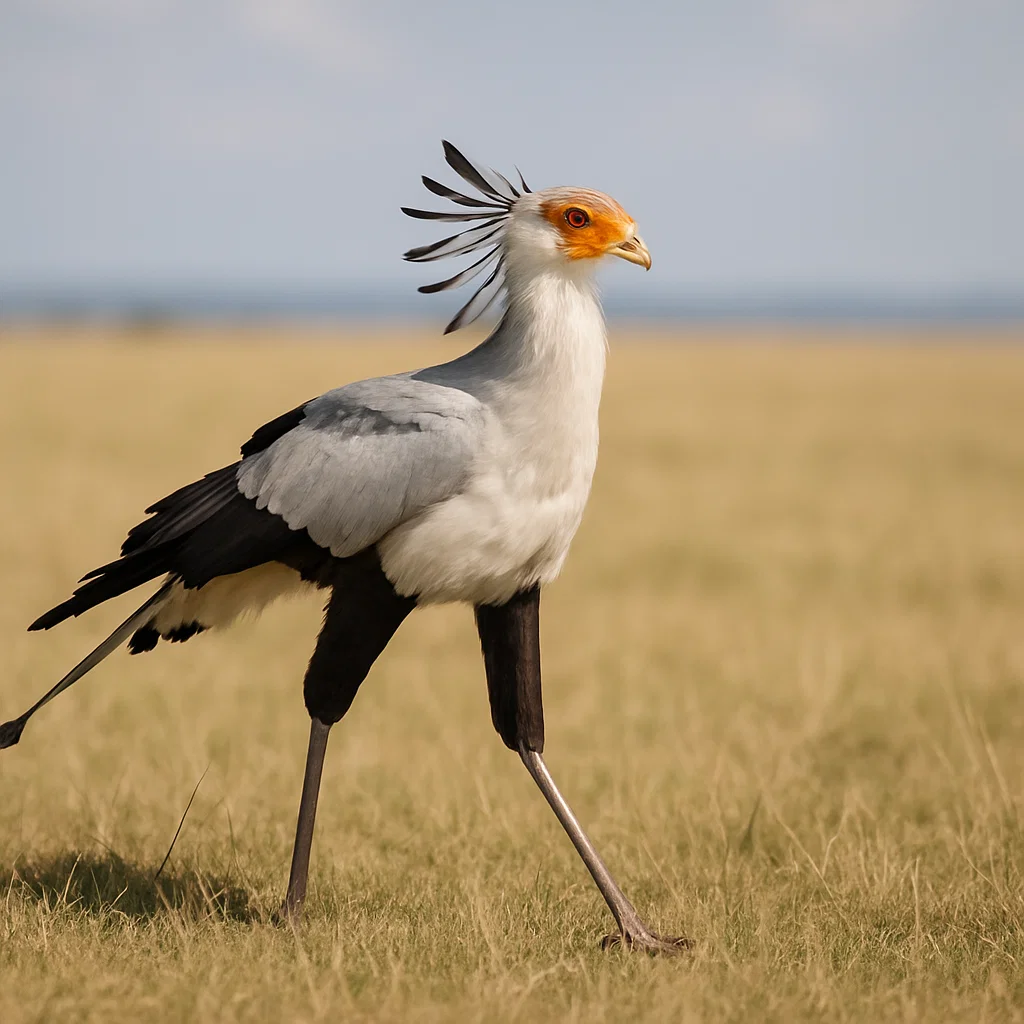
The first revelation on our list is a bird that embodies elegance and deadly efficiency: the Secretary bird (Sagittarius serpentarius). Standing nearly four feet tall with a wingspan of over six feet, this raptor is less of a soaring hunter and more of a ground-patrolling assassin of the African savanna.
The Mystery Behind the Iconic Name
One of the most frequent questions surrounding this striking creature is, Why is it called the secretary bird? The common theory is rooted in its appearance. The crest of long, black, quill-like feathers extending from the back of its head reminded observers of the quills that 18th-century office secretary staff would tuck behind their ears. This visual metaphor, combined with its long, slender legs that resemble a gentleman’s stockinged trousers, earned it one of the most unique names in the animal kingdom. The striking combination of its gray body and black flight feathers only adds to its dignified, yet intimidating, profile. Thats the reason wht it ended up among The Top 05 Incredible birds
The Raptor That Walks: A Unique Hunting Strategy
Unlike its cousins, like falcons or eagles, the Secretary bird hunts almost entirely on foot. Its long legs allow it to stride quickly across the grasslands, covering vast distances in search of prey.
The most famous—and terrifying—feature of the Secretarybird is its method for tackling the most dangerous of prey: venomous snakes. Do secretary birds stomp prey? The answer is a definitive yes, and it’s a masterclass in biomechanics. The secretary bird kick is a rapid, high-impact blow delivered with incredible speed.
Studies have shown the kick can deliver a force equivalent to five to six times the bird’s own body weight, sufficient to stun or kill a snake instantly. It uses its large feet with thick scales to protect itself, repeatedly kicking the snake until it is immobilized or dead, often employing a precise, measured delivery that is truly shocking to witness. This specialized Secretary bird snake hunting technique sets it apart from nearly all other raptors.
The Appearance of a Supermodel: Secretary Birds Eyelashes
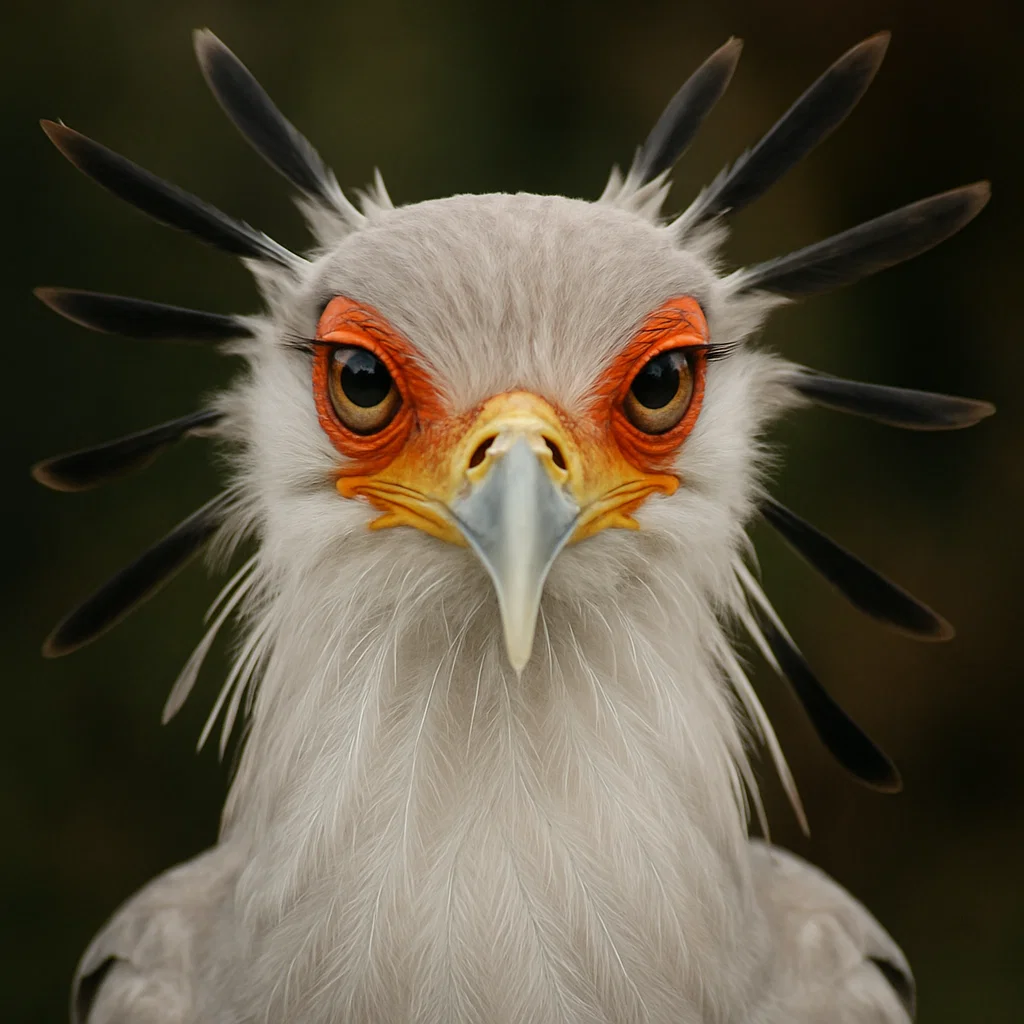
Beyond its deadly ability, the Secretarybird possesses a subtle feature that adds to its unforgettable appearance: its eyes. While they don’t have true Secretary bird eyelashes like mammals, the long, thick black feathers surrounding its eyes give the distinct illusion of dark, perfectly applied mascara or eyeliner, lending it an intense, focused gaze. This captivating feature, combined with its regal stance, makes it an icon of the savanna.
The Question of Danger: Are Secretary Birds Dangerous?
For humans, the question, Are secretary birds dangerous? can be answered with a reassuring no. These raptors are incredibly shy and prefer to avoid human contact. Their deadly focus is reserved exclusively for their prey—primarily snakes, lizards, insects, and small rodents. However, their impressive Secretary bird height and powerful kick certainly make them formidable opponents in their natural habitat.
The Secretary Bird’s Symbolism and Conservation Status
How rare is a secretary bird? Unfortunately, while they are widespread across sub-Saharan Africa, their numbers are declining. They are classified as “Vulnerable” due to habitat loss and degradation, making conservation efforts for the Secretary bird nest sites critically important.
Despite these challenges, the secretary bird symbolizes many powerful concepts across Africa. What does the secretary bird symbolize? In South Africa, it is featured on the coat of arms, symbolizing protection and vigilance. Its habit of walking over tall grass to hunt also makes it a symbol of clearing the way or forging a path. The sight of a soaring or striding secretary bird male or female is a proud symbol of the wild African plains.
The Secretarybird is not just an incredibly distinctive bird; it is a vital part of its ecosystem and an elegant, surprising example of evolutionary specialization.
2. The Cock-of-the-rock: The Jungle’s Crimson Crown
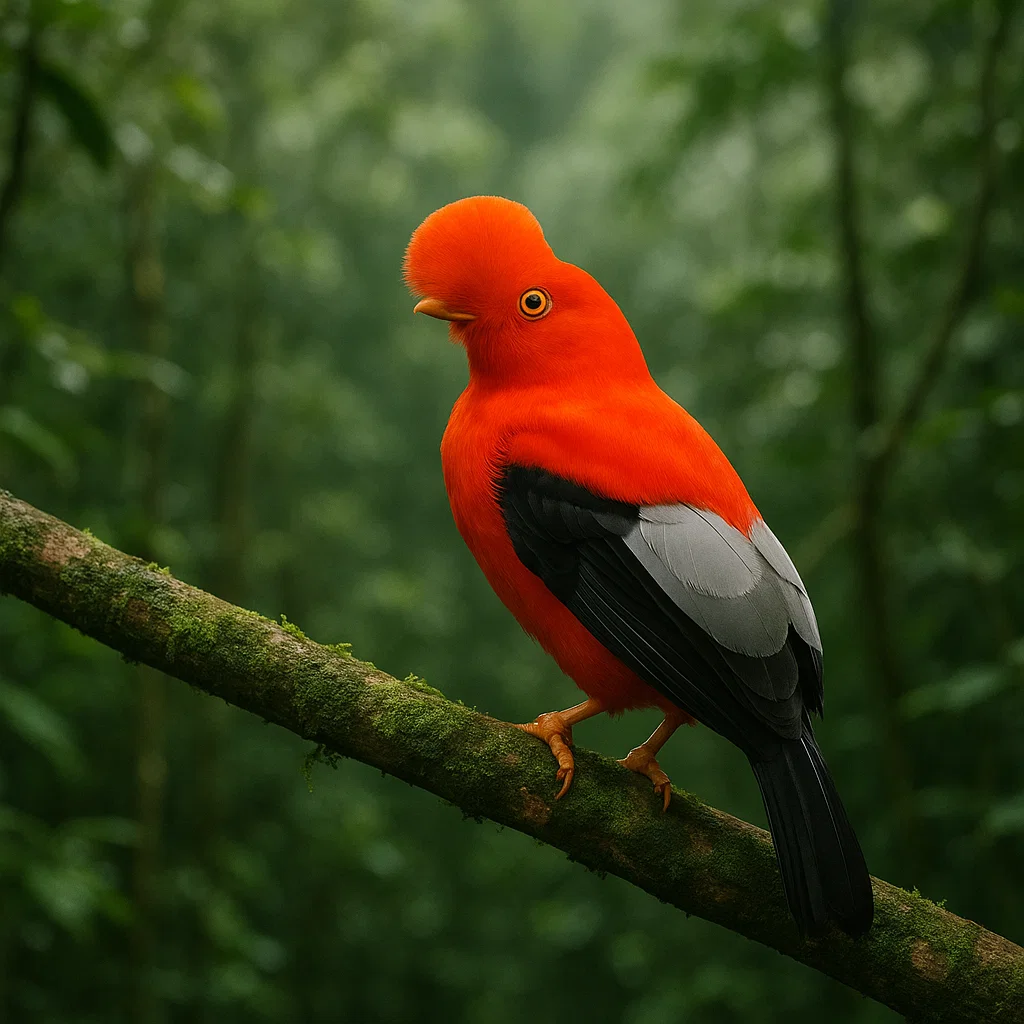
From the open plains of Africa, we plunge into the dense, misty cloud forests of South America to meet our next incredible avian marvel: the Cock-of-the-rock (Rupicola). This bird is an explosion of color and has one of the most astonishing head crests found anywhere in the natural world.
The Living Shield: The Cock-of-the-rock Crest
The signature feature of the male Cock-of-the-rock bird is its massive, semicircular crest. This crest is formed by specialized feathers that entirely cover the bird’s bill and extend over the head, giving it the appearance of a brightly colored, perfectly sculpted shield or fan. The Andean species is a brilliant orange-red, contrasting sharply with its black-and-white plumage.
The Secret of Its Name: Rupicola Meaning
To understand the bird, you must understand its name. The scientific genus for this bird is Rupicola. Rupicola meaning “dweller of the rocks” or “rock-loving.” This perfectly describes the bird’s habitat; they prefer to live in rugged, inaccessible ravines and deep canyons, often near fast-flowing streams. This preference for rocky outcrops and cliffs gives the bird its common name and hints at the challenges of observing it in the wild. and it is one of the most incredible birds
Courtship in the Leks: A Ritual of Light and Sound
The Cock-of-the-rock is most famous for its elaborate courtship rituals, which take place in communal display grounds called leks. Males gather, often up to 50 strong, to compete for the attention of the duller-colored females.
Their display is an intense, almost silent show. The male bobs, hops, and rapidly flares his brilliant crest, often near a cleared space on the forest floor. He uses his stunning color to maximum effect, making his body and crest appear as large and vibrant as possible. This intense competition is a hallmark of the Andean cock-of-the-rock adaptations for breeding.
National Pride and Symbolic Value
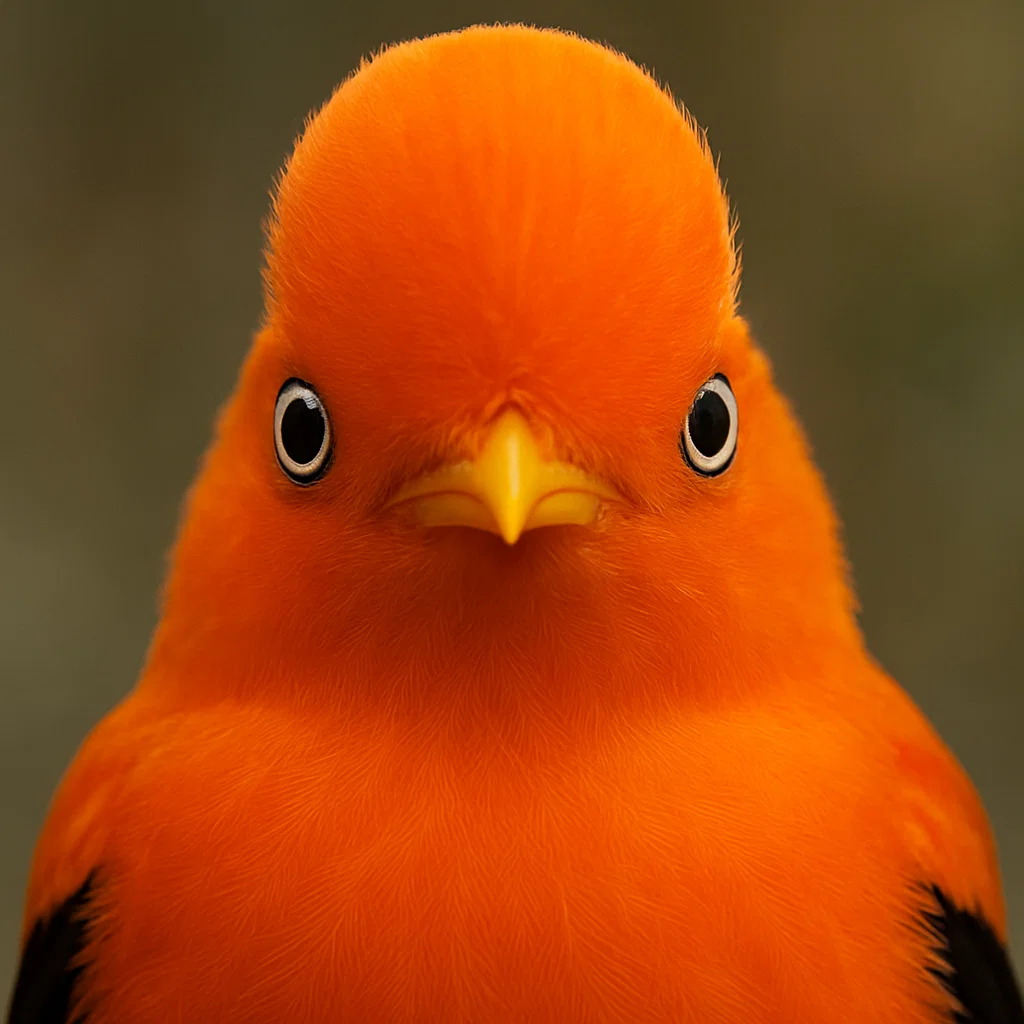
The species Rupicola peruviana, the Andean Cock-of-the-rock, holds a special place in the hearts of South Americans. What is the national bird of Peru? It is the Andean Cock-of-the-rock, a symbol of the country’s unparalleled biodiversity and the unique ecosystems of the Amazonian slopes of the Andes. Its vibrant color and elusive nature make it a powerful symbol of the wild, untamed beauty of Peru.
Life in the Canopy and Conservation
The Andean cock-of-the-rock lifespan can be quite long, possibly reaching 15 to 20 years in the wild, though precise data is hard to gather due to their remote habitat. While they forage for fruit and insects in the canopy, they nest and display on the rocky cliff faces. The Andean Cock-of-the-rock range covers the Andean cloud forests of Venezuela, Colombia, Ecuador, Peru, and Bolivia.
The question of What is Phoenix Rupicola used for? or What is the common name for Phoenix Rupicola? is based on a slight naming confusion. Rupicola is the correct genus for the Cock-of-the-rock, while Phoenix refers to date palms and is not related to the bird. The common name is universally Cock-of-the-rock (or Gallito de las Rocas in Spanish). The bird’s primary purpose, like all wildlife, is its ecological role as a seed disperser, making it a critical player in maintaining the health of the cloud forests. Observing its survival requires dedicated projects like those tracked on platforms like Andean Cock-of-the-rock ebird databases.
3. The Marabou Stork: The Undertaker Bird
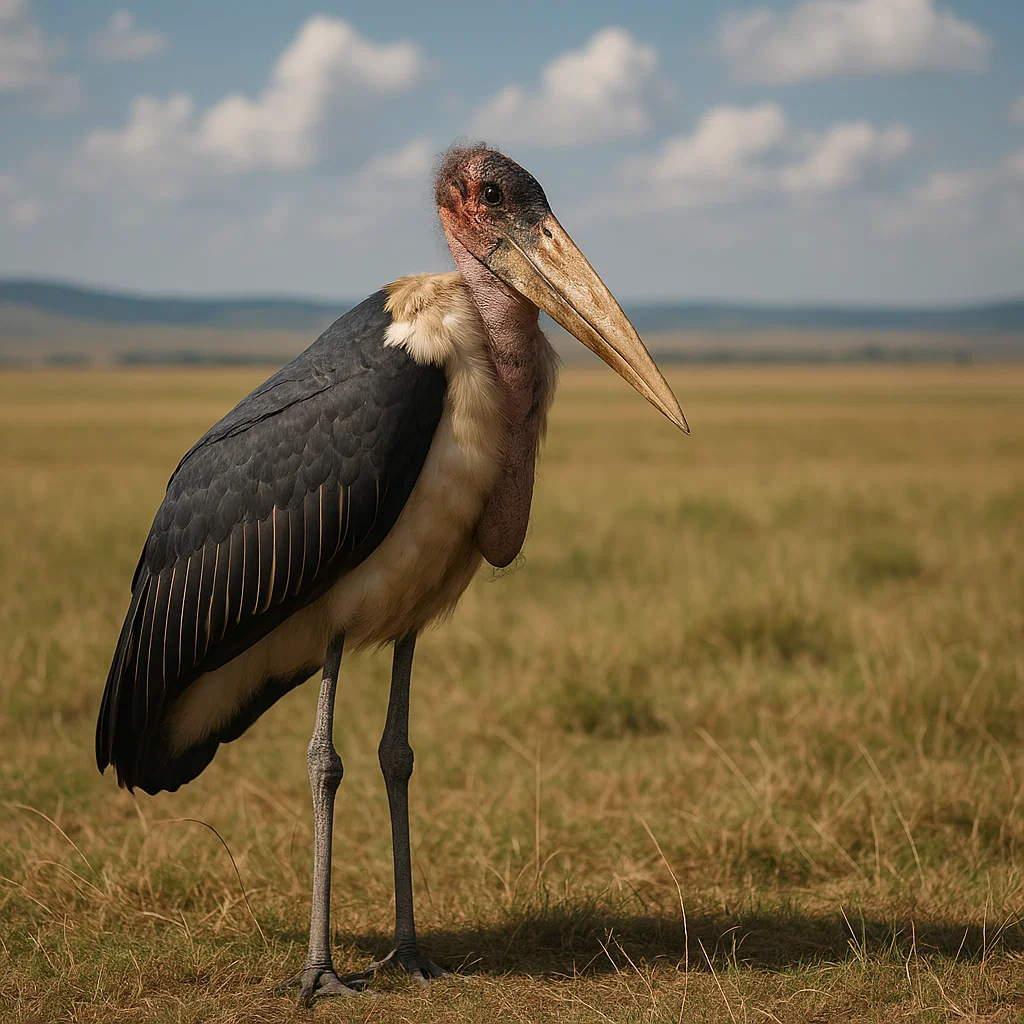
Our third bird is proof that “incredible” does not always mean beautiful. From the vibrant tropical colors of the Cock-of-the-rock, we pivot to the grim, imposing figure of the Marabou Stork. Often called the “Undertaker Bird” due to its dark, cloak-like wings, white body, and massive size, this bird is a master of decomposition, performing a necessary but often misunderstood role in its environment.
The Stork That Looks Like a Vulture
The Marabou stork is one of the largest and most distinctive birds in Africa, standing up to five feet tall with a wingspan that can approach 10 feet. The appearance is immediately shocking: a bare, mottled pink or red head, a long, heavy bill, and a peculiar throat pouch.
The Truth About Its Diet: Do Marabou Storks Eat Meat?
Do marabou storks eat meat? Absolutely, and this is the key to its ecological role. The Marabou stork diet is primarily composed of carrion (dead animals). Along with vultures, they are nature’s indispensable cleanup crew. By rapidly consuming carcasses, they prevent the spread of disease, making them a cornerstone of public health in the wild. They are also opportunistic predators, eating anything they can swallow, including fish, reptiles, and even other small birds, making them highly adaptable scavengers.
The Peculiar Pouch: Why Does a Marabou Stork Have a Throat Pouch?
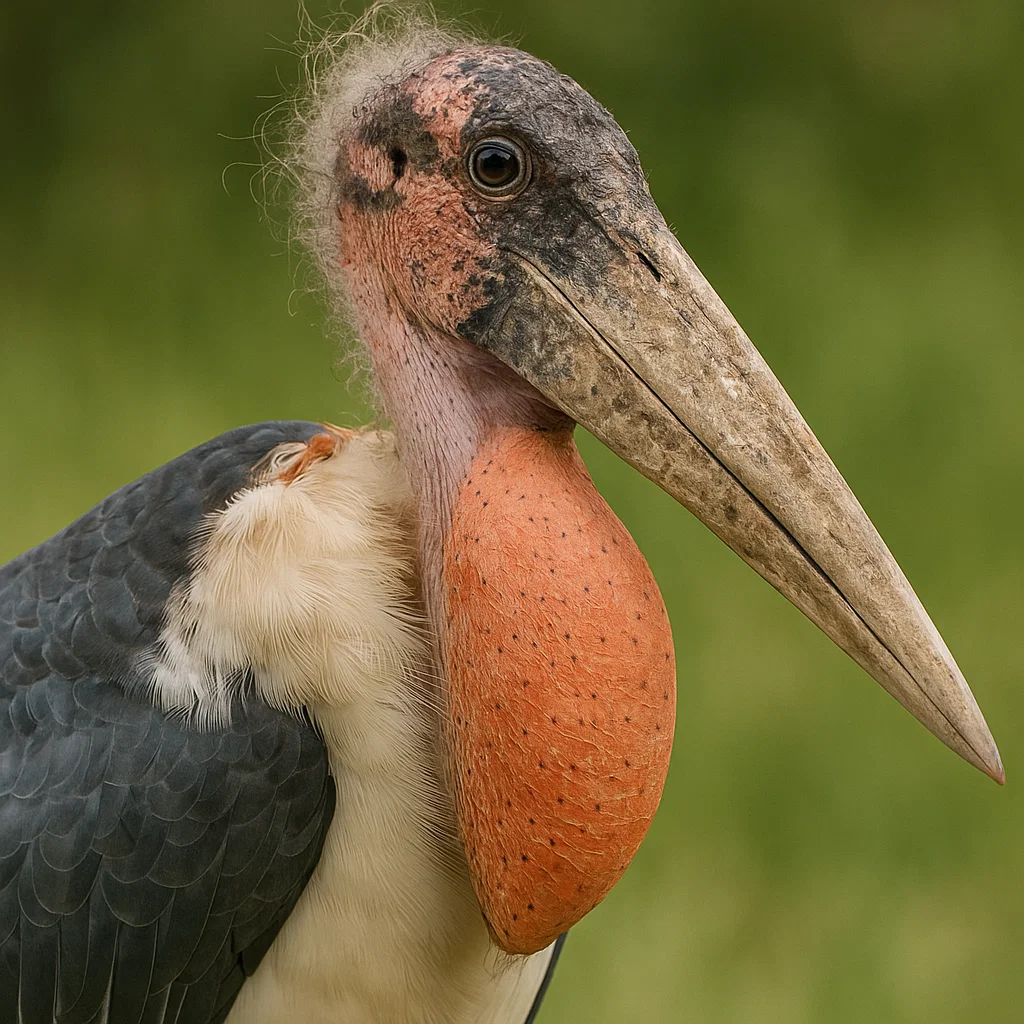
The most unique feature of this stork is the large, inflatable sack hanging from its neck. Why does a marabou stork have a throat pouch? This gular sack, known as a wattle or pouch, is thought to play two primary roles:
- Courtship Display: During breeding rituals, the male inflates the pouch to attract a female and reinforce pair bonds. It serves as a visual and auditory communication device.
- Thermoregulation: The bare head and neck, combined with the pouch, help the bird dissipate heat, which is vital in the intense African sun.
The Marabou stork pronunciation can be a bit tricky (MAH-ra-boo), but once seen, the bird itself is unforgettable.
An Enormous Bird Takes to the Skies
Despite its massive Marabou stork height and hefty build, this stork is an impressive flyer. Can marabou storks fly? Yes, and they do so masterfully. They use thermal currents—rising columns of warm air—to effortlessly gain altitude and soar for hours, reducing the energy needed for their long commutes. Their soaring profile, with their long legs tucked back and their massive wings fully extended, is a common sight over the African landscape. You can often spot the white underside of a Marabou stork flying high above.
Nesting and Reproduction
The Marabou stork nest is a massive structure, often built high up in trees or on cliffs, sometimes in colonies with other storks, creating bustling and messy bird nurseries. A Marabou stork baby hatches from a large, rough egg and is initially covered in white down, slowly developing the adult’s bare head and neck. They have a long period of parental care before they fledge and join the colony.
What is the Marabou Stork Known For?
Ultimately, What is the Marabou Stork known for? It is known for its role as a necessary detritivore, its intimidating presence, and its vital contribution to the health of the African savanna. That is the reason why it is one of the most amazing birds. The Marabou stork sound is mostly limited to groans, grunts, and bill-clattering, adding to its mysterious, quiet demeanor, a stark contrast to its overwhelming physical presence. The combination of its impressive wingspan and unique pouch makes it an unforgettable, if often misunderstood, giant.
4. The Lady Amherst Pheasant: A Rainbow in Motion
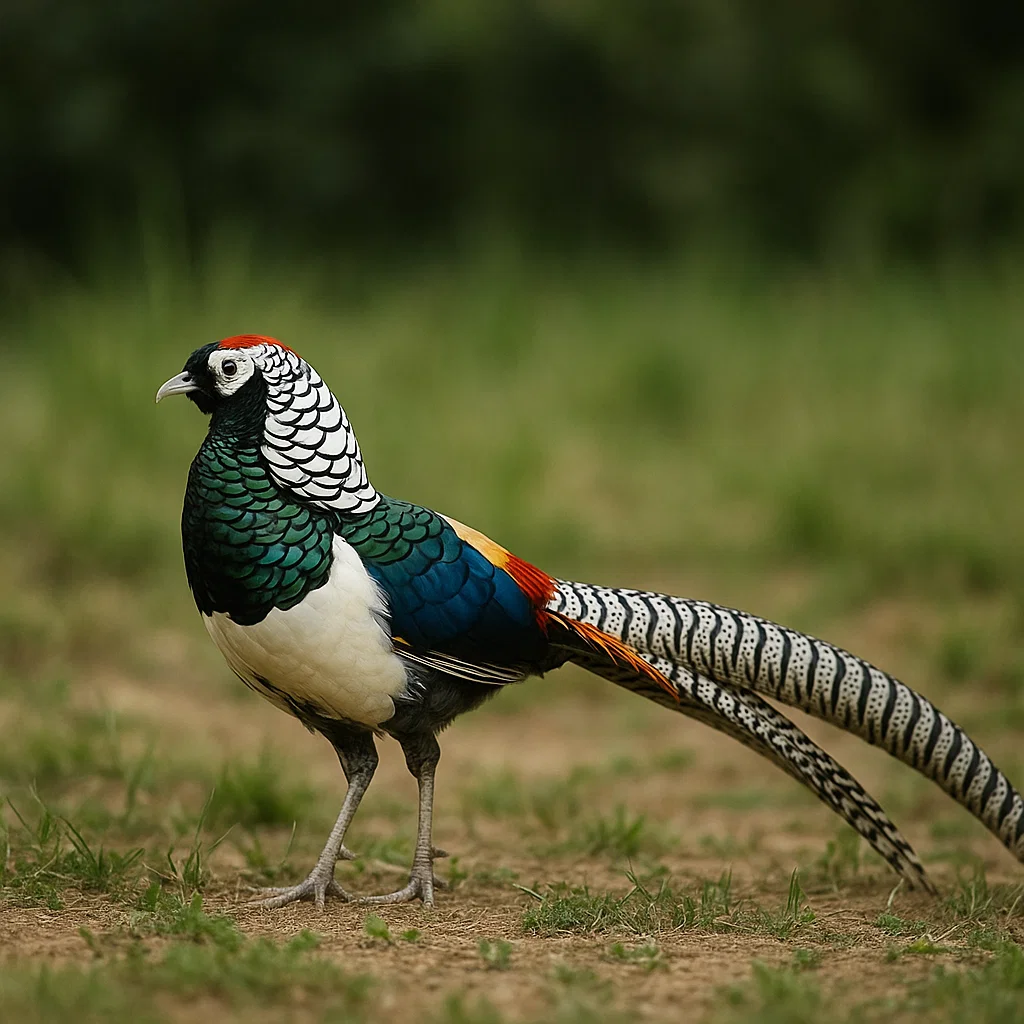
Our fourth incredible birds shifts our focus from utility to unparalleled aesthetic splendor. The Amherst Pheasant (Chrysolophus amherstiae) is a living, breathing work of art, a species whose male plumage seems to have captured the entire spectrum of light.
The Ultimate Avian Fashion Statement
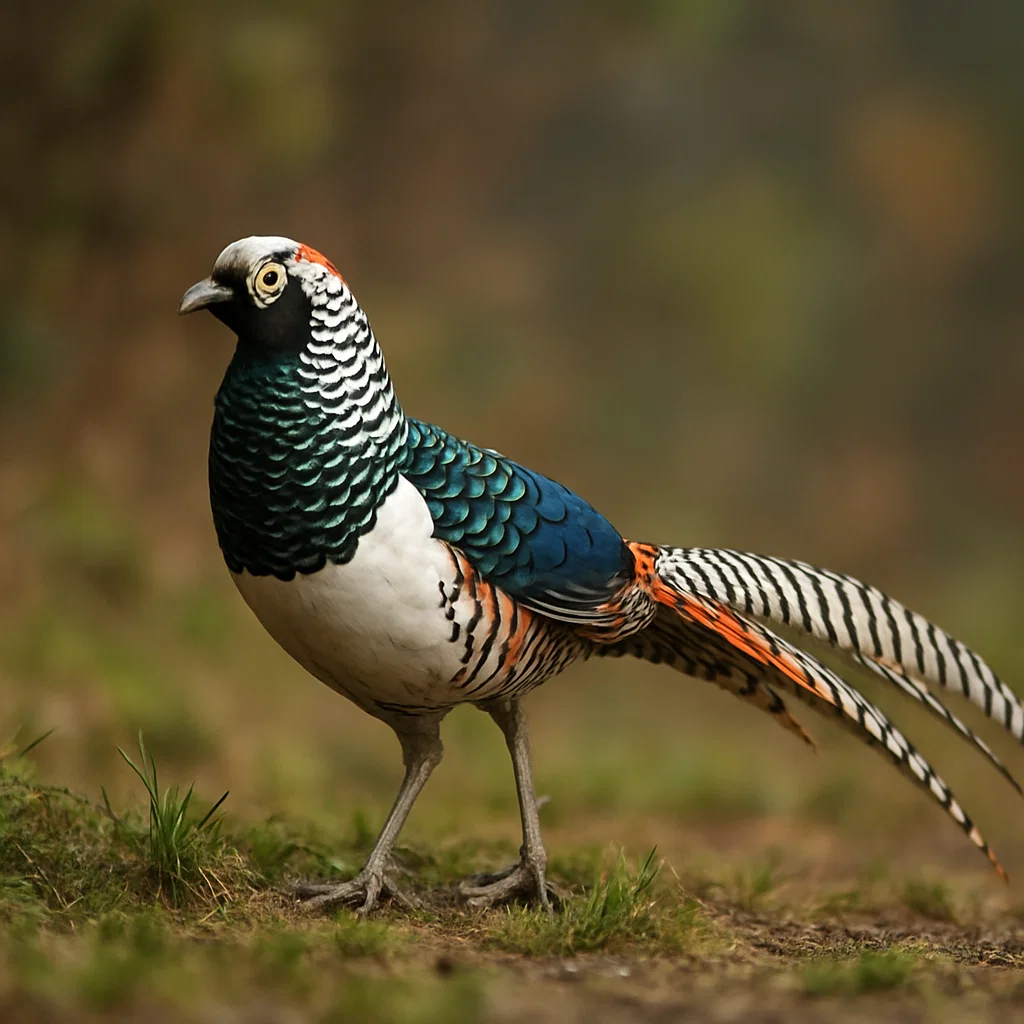
While the male Amherst Pheasant male shares some traits with the more common Golden Pheasant, its coloration is far more complex and dramatic. The male’s key features include:
- A white and black scaly “cape” that can be flared during courtship.
- A crimson crest on the head.
- Iridescent green, blue, yellow, and red body plumage.
- A long, spectacular white and black barred tail that can reach lengths of up to four feet.
The female, the Lady Amherst pheasant female, is far more subdued, typically a mottled brown, providing excellent camouflage while nesting. This dramatic difference, known as sexual dimorphism, highlights the immense evolutionary pressure on the male to stand out for mating success.
Range and Habitat: Where Do Lady Amherst Pheasants Live?
Where do Lady Amherst pheasants live? They are native to the mountainous regions of southwestern China and far northern Myanmar (Burma). Their Lady Amherst pheasant native range is characterized by dense, rocky forests and bamboo thickets at high altitudes. They are generally solitary and shy, spending their time foraging on the forest floor, making them difficult to spot in the wild despite their brilliant colors. The Lady Amherst pheasant range in its native habitat is shrinking due to deforestation.
The Question of Rarity and Value
Are lady Amherst pheasants rare? In the wild, they are considered uncommon to rare due to habitat loss. However, they are a popular species in aviculture (bird-keeping) around the world. Because they are often bred in captivity, questions about their commercial value frequently arise. How much is a Lady Amherst pheasant worth? The Lady Amherst pheasant price can vary widely based on location, age, and purity of bloodline, but individual birds or breeding pairs can command significant prices among specialized collectors, leading to the search term Lady Amherst pheasant for sale. This captive breeding ensures the survival of the species, even as their wild population faces challenges.
Feathers and Terminology
The beauty of their plumage also makes their Lady Amherst Pheasant feathers highly sought after, though ethical collectors only acquire feathers that have been naturally shed. The name itself, Lady Amherst Pheasant pronunciation (AM-herst), honors Sarah, Countess Amherst, who was the first to send a specimen of the bird from China to London in 1828. While beautiful, the Amherst Pheasant is not considered the rarest; that distinction often goes to species like the Imperial Pheasant or Edwards’s Pheasant.
In summary, the Lady Amherst Pheasant is a spectacular example of evolutionary artistry, a living jewel whose existence demonstrates the breathtaking potential of color in the animal kingdom.
5. The Greater Sage-Grouse: The Showman of the Sagebrush
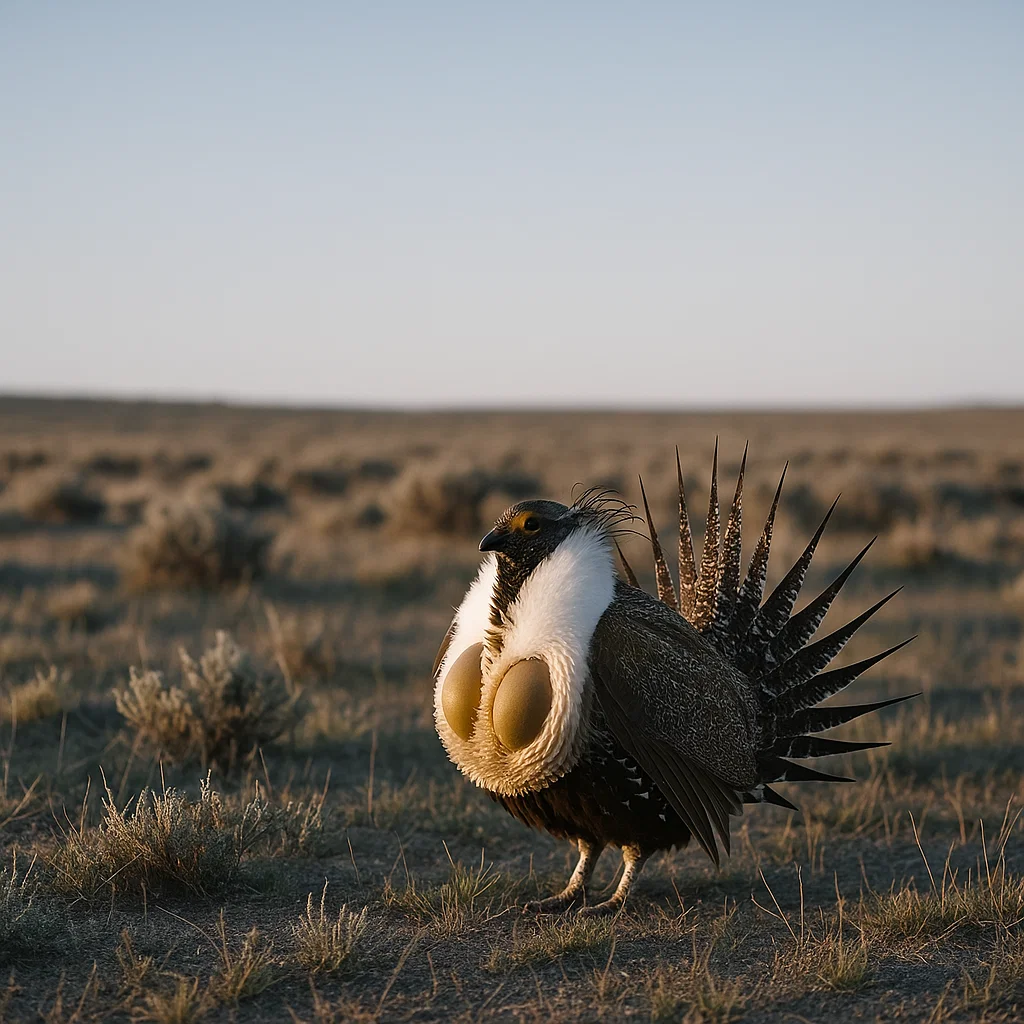
Our final incredible bird takes us to the arid, open landscapes of the North American West. The Greater sage-grouse is not a bird of vivid color, but one of bizarre, theatrical, and unforgettable behavior, centering around one of the most remarkable courtship displays on Earth.
The Lek Ritual: A Stage for Extravagant Love
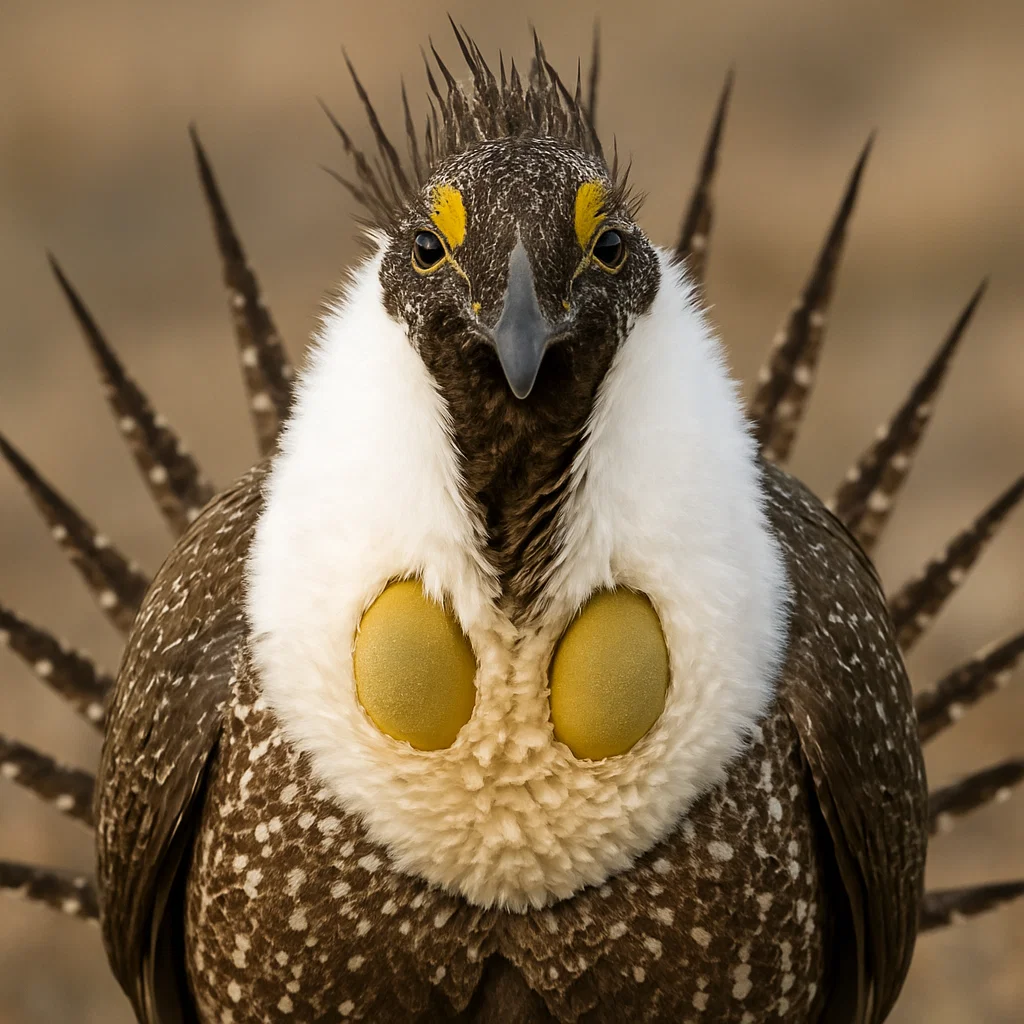
The secret of the Greater sage-grouse lies in the sage-grouse lek. A lek is a traditional, open assembly area where the males gather, typically at dawn, during the spring breeding season to perform their elaborate mating display for the females.
This display is a synchronized, complex performance:
- Inflation: The male inflates two large, yellowish-green air sacs on his chest, which were previously hidden under his chest feathers making it one of the most amazing birds.
- Pumping: He rapidly and rhythmically pumps these sacs, creating a distinct, resonant Sage-Grouse sound that can travel long distances across the plains.
- Fanning: He fans out his tail into a magnificent, spiky plume, highlighting the contrast of his brown and white plumage.
This performance is a true spectacle of nature, essential to the selection process by the Sage-grouse female.
The Challenges of Survival
The Sage-Grouse range is inextricably linked to the presence of sagebrush, which provides both its primary food source and shelter. Unfortunately, this link is the cause of one of the major conservation challenges. Why is the greater sage-grouse endangered?
While not technically classified as endangered, the species is considered Near Threatened due to a massive decline in population over the last few decades. The core issue is habitat loss and fragmentation caused by:
- Development and urban sprawl.
- Oil, gas, and renewable energy infrastructure.
- Invasive grasses that fuel catastrophic wildfires, destroying the sagebrush ecosystem.
Preserving the vast, intact sagebrush steppes is critical to the survival of the Sage-grouse birds population.
Life and Flight on the Plains
Can sage-grouse fly? Yes, they are fully capable flyers, though they prefer to spend most of their time on the ground. They take to the air mainly for transportation between foraging areas, escape from predators, or seasonal migration. They have a relatively short Sage grouse lifespan in the wild, typically around 2-4 years.
The Greater sage-grouse is a fascinating example of how specialization—in this case, total reliance on the sagebrush ecosystem—can lead to both incredible adaptations and extreme vulnerability. Their unique, bubbling courtship dance is a vital secret of the American West that deserves to be seen and protected.
The Secrets Unveiled
We have journeyed across continents, from the arid African savanna to the misty South American cloud forests and the expansive North American plains. We’ve uncovered the secrets of five truly incredible birds:
- The Secretary Bird and its martial arts kick.
- The Cock-of-the-rock and its majestic, crimson shield.
- The Marabou Stork and its essential, if grotesque, role as the “Undertaker Bird.”
- The Amherst Pheasant and its impossible, rainbow plumage.
- The Greater Sage-Grouse and its bizarre, ancient dance ritual.
These creatures, often hidden from common knowledge, remind us that the natural world is infinitely richer and stranger than we can imagine. these birds on this list is a testimony to their power of evolution to create specialization, beauty, and extraordinary survival skills. By unveiling their secrets, we not only gain a greater appreciation for their existence but recognize the imperative to protect the habitats that allow these unique avian marvels to continue their legacy.
Read another post about birds Top 05 Scariest Birds in the World Nature’s Feathered Frights!
Stay wild, stay curious – only on PetNarianPets!
Join The Fun On Instagram, X, Pinterest and YouTube.
Wanna Say Something about animals ? Contact Us.